Sound and vision: introducing our new audiovisual resources guide


Where can I find pictures relating to transport which I can use in my project? How do I find out what was broadcast on British television and radio on a particular day in the 1970s? Where are the best places to find examples of digital art? I need audio clips of scary sounds for my presentation – where to start? Are there any interesting oral histories in my subject area? How do I reference a podcast? I’ve found an ideal picture online, but I don’t know where it’s from – what can I do? Is there an authoritative list of famous music plagiarism cases anywhere, including audio clips?

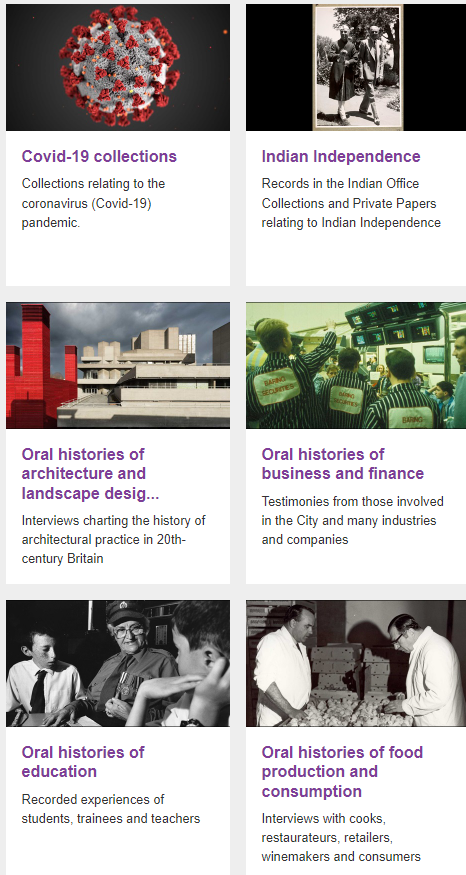
Screenshot of oral histories from the British Library
British Library oral histories selection

You can find the answers to these, and many more intriguing questions, on our brand new guide to finding and using audiovisual resources.

We’ve updated and expanded our old images guide, and included new databases and resources for finding films and television programmes, plus audio content such as radio programmes, sound clips, podcasts and oral histories.

We’ve also updated the original still images section, which helps you find images of all genres and subjects, such as anatomy, archaeology, architecture…. and all other letters of the alphabet!

Need more help?

Keyword searching isn’t always the best way to search for audiovisual content, so if you want to find an image which looks like another one, search by colour, or find exactly what you want on Box of Broadcasts, visit our guide.

Finally, if you’re unsure whether you’re permitted to use an audiovisual resource in your assignment, and/or how to cite it, we can help with that too. Our guide contains plenty of helpful advice on using and citing audiovisual materials, and we’ve tried to include links to collections and databases which are licensed for educational use where possible (but please do check the terms and conditions in each case).

Accessing resources beyond the Library

Photograph by Erik Odiin of somebody in a train station
Photo by Erik Odiin on Unsplash

If you’re working on a dissertation, thesis or project right now, or will be doing so next academic year, what can you do if the Library doesn’t have access to all the specialist books and other information resources you need? How can you find out about resources relating to your research topic which are held elsewhere? Can you visit other libraries and archives if you’re away from Newcastle over the vacation?

Read on to find out how you can expand your search beyond our library….

1. Search

You can search across the catalogues of over 170 UK and Irish academic and national libraries, together with other specialist and research libraries, via Library Hub Discover (formerly COPAC). The range of libraries included in Library Hub Discover is expanding all the time, and includes all UK universities, as well as the libraries of such diverse organisations as Durham Cathedral, the Institution of Civil Engineers, the Victoria and Albert Museum, and the Royal Horticultural Society.

Library Hub Discover logo

In response to Covid restrictions, Library Hub Discover has also made it easier for you to find Open Access resources via its catalogue: it has recently incorporated the HathiTrust Digital Library, as well as the Directories of Open Access Books and Journals to its searchable database.

For a more in-depth and up-to-date search, you can also search individual academic library catalogues online. Need to look further afield? Search library catalogues internationally via WorldCat.

If you are looking for archives elsewhere, whether in the North East or beyond, our colleagues in the Special Collections and Archives team have compiled a list of useful directories and search tools.

2. Obtain

If we haven’t got the book you want, you can ask us to consider buying or borrowing it via our Recommend a book service.

If you need a copy of a journal article to which we don’t have access, you can apply for it via our inter library loan service, which is currently free.

You can search UK doctoral theses via the national EThOS service. This has records for over 500,000 theses, dating back to the year 1800, of which over half are freely available online (do note you have to register with EThOS before being able to download: it’s a separate login process to your usual University login).

3. Visit

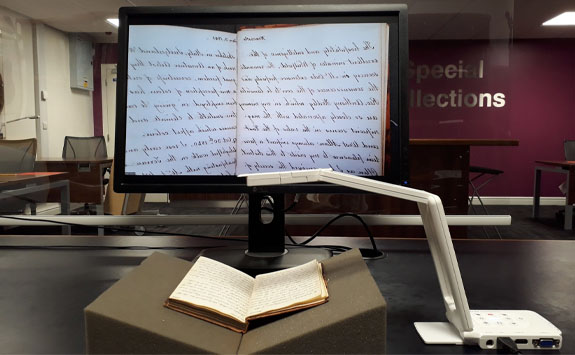
Photo of Special Collections Virtual Reading Room
Special Collections Virtual Reading Room

The SCONUL Access Scheme enables students to visit most other academic libraries around the country, and in some cases, borrow from them. This service has recently resumed since its suspension during the Covid pandemic, but please note that not all academic libraries are currently participating in the scheme, so do check carefully before you visit, and read the latest information on the SCONUL Access site.

You will need to register with SCONUL Access before you can visit another Library, so do allow time for your registration to be processed.

If you want to consult archives or special collections elsewhere, you’ll need to check with the organisation in question beforehand (you’ll usually need to request to consult items in advance of your visit). If you can’t visit in person, archives services may still be able to answer queries, provide access to selected digitised items, or even operate a Virtual Reading Room, so it may well be worth enquiring.

Get more out of Box of Broadcasts!

Have you met BoB? Box of Broadcasts is a fantastic resource for all subject areas: an archive of over two million radio and television broadcasts from over 75 free-to-air channels, including all BBC channels, ITV and Channel 4, plus some international channels. New programmes are added to BoB as they are broadcast each day.

We know it’s a very popular resource, but are you getting the best out of it? Here are some quick tips for newbies and experienced users alike!

Smarter searching

BoB is a huge database, so searching by keyword may retrieve a lot of irrelevant results, especially as the default search looks for your keyword in all programme transcripts (i.e. every word spoken in a programme). Click on the Search options link just under the search bar to see various ways of making your search more precise, including searching in the programme titles only, or limiting by date. This help video gives more detail:

Playlists and clips

You can create your own playlists: really helpful if you’re researching for an assignment, or preparing to teach a module. You can also search public playlists curated by other BoB users around the UK: just select Public playlists underneath the search bar, or explore this showcase of playlists for more inspiration.

BoB curated playlists

Clips are really easy to make too:

Stop press: pre-2007 broadcasts now available

Box of Broadcasts currently only contains programmes broadcast from 2007 onwards. However, in March 2022, the BBC announced that its entire digitised archive can now be requested using the Television and Radio Index for Teaching and Learning (TRILT), which is also managed by Learning on Screen.

Need more help?

Got more BoB questions? Try their extensive FAQs or take a look at their updated collection of short video guides.

Books added to the Library by students in GPS (Semester One 2021/22)

Our Recommend a Book service for students allows you to tell us about the books you need for your studies. If we don’t have the books you need, simply complete the web form and we’ll see if we can buy them. For books we already have in stock, if they are out on loan please make a reservation/hold request using Library Search.

Further information about Recommend a book.

In Semester One, academic year 2021/2022 we successfully processed 62 requests from 33 students ( 13 PGR, 6 PGT and 14 UGT) in GPS, totalling just over £4900. This is what we bought :

Adoption, Family and the Paradox of Origins
Australia’s American Constitution and the Dismissal: How English Legal Science Marred the Founders’ Vision
Belonging: a culture of place
Black Feminist Sociology: Perspectives and Praxis (Sociology Re-Wired)
Body and Soul: Notes of an Apprentice Boxer
Bread and Ballot
Building Knowledge: An Architectural History of the University of Edinburgh
China and Eurasia Rethinking Cooperation and Contradictions in the Era of Changing World Order
Constitutional Conventions and the Headship of State: Australian Experience
Contesting Kurdish Identities in Sweden
Dimensions of Dignity at Work
Domestic violence at the margins: Readings in race, class, gender and culture
Ethics of Migration Research Methodology: Dealing with Vulnerable Immigrants
False Summit: Gender in Mountaineering Nonfiction
Framing the Sexual Subject
Gender and mountaineering tourism
Gentrification
Geography of the ‘New’ Education Market: Secondary School Choice in England and Wales
Global Finance: Places, Spaces and People
Global games: Production, circulation and policy in the networked era
Global Governance and Transnationalizing Capitalist Hegemony
Governing Financialization: The Tangled Politics of Financial Liberalization in Britain
Inside the Video Game Industry Game Developers Talk About the Business of Play
Insider Research on Migration and Mobility: International Perspectives on Researcher Positioning (Studies in Migration and Diaspora)
Intersectionality, Class and Migration: Narratives of Iranian Women Migrants in the U.K.
Intersections of Displacement: Refugees’ Experiences of Home and Homelessness
Levelling Up Left Behind Places The Scale and Nature of the Economic and Policy Challenge
Mamma Mia The Movie! Exploring a cultural phenomenon
Managing the White House; an intimate study of the presidency
Material Methods: Researching and Thinking with Things
Media Technologies for Work and Play in East Asia Critical Perspectives on Japan and the Two Koreas
Meta-Geopolitics of Outer Space
Military Strategy as Public Discourse: America’s War in Afghanistan
Planet U : Sustaining the World, Reinventing the University
Platforms and Cultural Production
Proscribing Peace: How Listing Armed Groups as Terrorists Hurts Negotiations – New Approaches to Conflict Analysis
Rethinking the Vietnam War
Social support and health
The Ashgate Research Companion to Memory Studies
The Business and Culture of Digital Games
The Constitution of Australia: A Contextual Analysis
The Dismissal: In the Queen’s Name: A Groundbreaking New History
The Film Studio: Film Production in the Global Economy
The Game Production Toolbox
The Intimate Lives of Disabled People
The King and his Dominion Governors
The Kurdish Question in Turkey New Perspectives on Violence, Representation and Reconciliation
The Political Theory of Global Citizenship
The Price of Paradise
The Question of Access: Disability, Space, Meaning
The Social Life of Busyness
The Specter of Global China: politics, labor, and foreign investment in Africa
The Vegan Studies Project: Food, Animals, and Gender in the Age of Terror
The Video Game Industry: Formation, Present State, and Future
Toward a multisited ethnography of the Zimbabwean diaspora in Britain. Identities,
Transcending the Nostalgic: Landscapes of Postindustrial Europe beyond Representation
Vietnam: The Necessary War
Violence against Women of African Descent: Global Perspectives
Vulnerable bodies, gender, the UN and the global refugee crisis
Wartime Shipyard: A Study in Social Disunity
Wilderness Management: Stewardship and Protection of Resources and Values

Resource in focus: State Papers Online

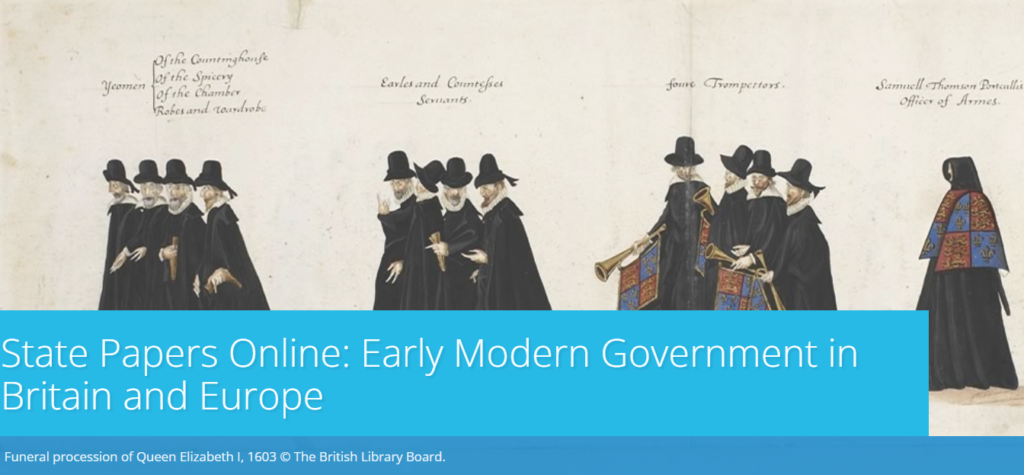
The Library has access to the digitised State Papers Online from 1509 to the end of the State Papers series in 1782, providing a fascinating research resource for early modern Britain and Europe.

What are the State Papers?

They are predominantly official papers of the Secretaries of State from the period, and include correspondence, reports, memoranda and civil service drafts, covering a wide range of domestic and international matters, and emanating from the highest levels of power. The collections include letters from popes, diplomats, and rulers of other countries, as well as records such as military and naval registers, and thus provide a fascinating record of the Tudor, Stuart and early Georgian periods in England and beyond.

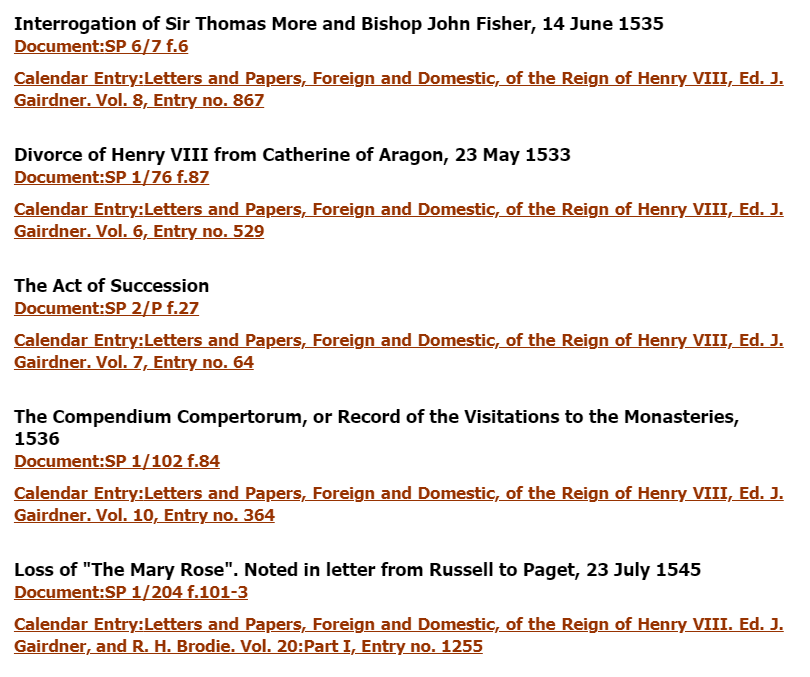
A selection of entries

It is an major resource for researching themes such as the monarchy, law and order, religious conflict, wars and treaties, international trade and the emergence of party politics.

What’s in this collection?

The digitised collections comprise the papers themselves, digitised from the original manuscripts, as well as the ‘calendars’, which catalogue and briefly describe or summarise the manuscripts, and which have been transcribed into text. The manuscripts themselves are mostly not searchable (except for a few series which have been transcribed). The calendars are searchable, and each calendar entry links to its manuscript, making the research process significantly easier than pre-digitisation.

How to search

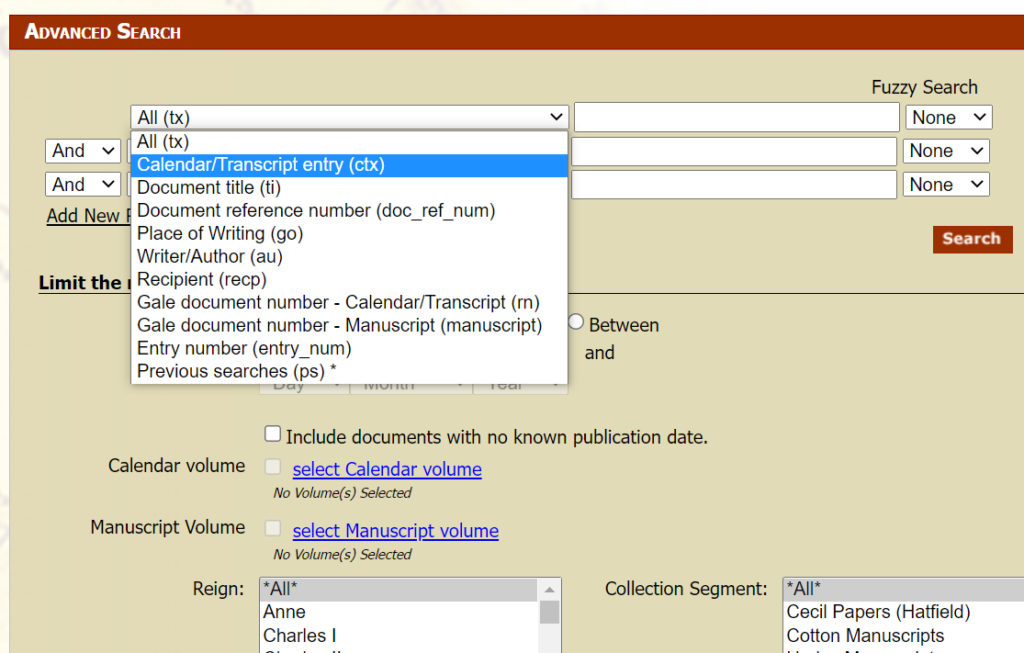
You can search or browse the State Papers in various ways. We’d recommend selecting Advanced Search to access all the options for focusing your search. Note useful options such as fuzzy search, which enables you to search for spelling variants, plus the option to limit your search to records with a manuscript, and/or a transcript of the manuscript.

Advanced search screen

The Browse function may be useful if you wish to work through a particular series of State Papers: you can either browse the calendars or manuscripts.

There are various options for saving, downloading and exporting results.

Help and guidance

Help options
Help options

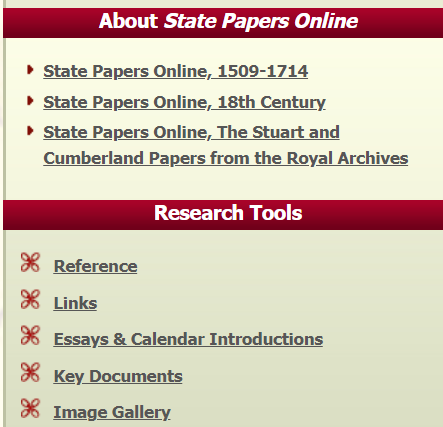
If you are using the State Papers for the first time, we’d recommend reading the relevant About State Papers Online section to get an overview of what each collection contains.

You will also find very helpful contextual information in the Research Tools section.

  • Reference includes glossaries, explanations of dates, weights and measures etc;
  • Links gives links to useful guidance such as paleography courses.
  • Essays gives more detailed insights into each collection, written by experts.
  • Key documents picks out important highlights from the collections.
  • You can also click Help in the top right of the screen for in-depth help with searching and exporting.

Tips for creating your study space

If you’re away from Newcastle over the Winter break you may be studying in unfamiliar or unusual spaces, which can make it more challenging to concentrate or find your motivation. Procrastination may be a struggle and creating a space, both physical and online, in which to be your most productive is something that many of us find challenging. It may not always be possible, but creating a managed space to study in will help. So what are our tips for creating the perfect study space at home?

1. Select your space

If possible, designate a space as your study environment. It may be your room in a shared house, the kitchen table, office, dining room or a spot in the hallway. Wherever you choose, claim it and make it yours in order to reduce distractions from those you live with and to create a studying mindset.

It can be invaluable to have a ‘work space’ which is separate from the rest of your life and spaces in which you relax. Even if this is simply a cheap desk in your bedroom, having a ‘study spot’ which is dedicated to your academic work will help you create structure and routine, and feel in the studying zone. It also makes for less embarrassment when you turn your camera on in Zoom or Teams.

2. Make it comfortable

While it may be tempting to study from your bed (which we’ve all done!), sitting upright will help you stay alert. Not to mention the benefits for your shoulders, back and neck. Start with a desk or table if you can, as it will allow you to make an organised space and leave your hands free to take notes.

It’s also worth thinking about how you can make the space more comfortable by opening a window for fresh air every so often, and the level of natural light you can introduce. Perhaps think about studying earlier in the day so that the natural brightness helps you stay alert and boosts your mood.

3. Tidy space, tidy mind

A cluttered study space can make it more difficult to focus and introduce unwanted distractions. By filing away your notes and de-cluttering your space at the end of a day, you will be able to start the next day fresh and find the learning materials you need.

This goes for your online spaces too. Think about how and where you keep your assignments, notes and any materials you download from Canvas, to ensure you are able to access the materials as you prepare assignments or revise for exams. Set up folders in One Drive that relate to each module or project you are working on and be sure to keep track of any collaborative work, such as projects in Teams. Managing the information you collect as you study and keeping it organised in some way is an essential study skill. Visit the Managing Information Guide for more tips.

4. Gather some stationery

It’s a simple tip, but keep a pen and paper nearby so that you can make quick notes. This might be jotting down an idea or something to remind yourself about at a later date. Many of you will take your notes digitally and may have a tablet you use within your programme, but having a notebook and pen to hand is a valuable backup. If you prefer handwritten notes, make sure you have a good organisational system so that you are able to retrieve the information you need.

You’ll find lots of useful tips around notetaking on the ASK website.

5. Listen to some music

Some of you may find studying in silence works best for you, while others may need a little background noise to block out distractions. Select a soundtrack for your study that helps you concentrate, with a mixture of mood boosting tracks and songs that are a little more mellow and calming. You’ll find lots of readymade study playlists on streaming services, or you could start with our Library Spotify playlists.

6. Switch off your devices

Many of us will recognise our mobile phone as a significant source of distraction and cause of many unproductive minutes. Switch off your mobile phone, log out of social media accounts on your study device and turn off the TV. This will help you create designated study time as well as space. It will also be a step towards introducing breaks in your study routine.

7. Take breaks

Taking regular breaks and walking away from your study space will help you return feeling refreshed. Why not download the iNCLude App? It has been designed to help you take small steps to improve and maintain your wellbeing, by creating positive habits and helping you focus on more than just your academic studies.

One valuable bonus tip from the WDC about taking breaks:

When you break, take a moment to leave a ‘note to future self’ about where you got to or what you were intending to do next.

Student studying with laptop and notebook.

8. Be organised

Learning remotely is challenging when you have to manage your own time and motivation. Being organised and creating your own plan or timetable can help.

When you begin your study session make sure you have everything you need to hand so that you don’t interrupt your flow. You might want to leave your laptop charger nearby!

Visit the Academic Skills Kit for more study and academic skills advice

New e-book collections: Bloomsbury and Manchester University Press

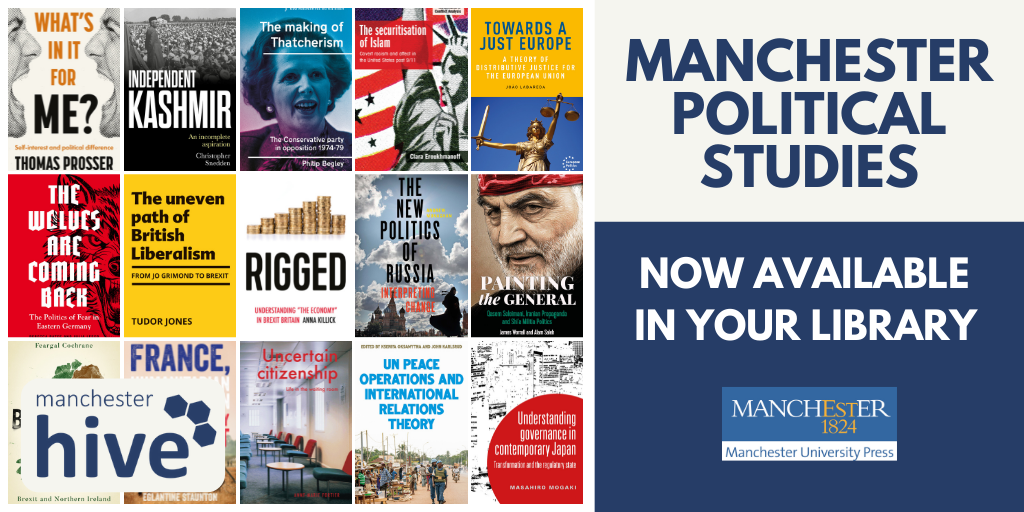
We have bought several new e-book collections from Bloomsbury and Manchester University Press, complementing and updating our existing collections from these two publishers.

From Bloomsbury, we have bought new collections in:

architecture

arts and visual culture

classical studies and archaeology

education

history

linguistics

music and sound

politics and international relations

These new modules give us just under 500 new titles in total.


From Manchester University Press, we have bought the latest collections in:

political studies

history of medicine

film and media studies

These give us 136 new titles in total.

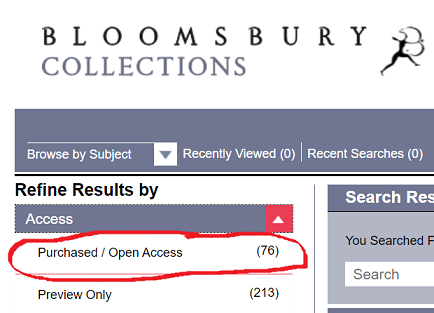
All the titles are individually catalogued on Library Search, or if you prefer, you can browse them from the publishers’ platforms via the links above. NB If you are browsing any of the Bloomsbury subject collections, under Access, tick Purchased/Open Access.

Sustainable development goals online

This platform from Taylor and Francis is directly mapped onto the United Nations’ Sustainable Development Goals.

The Sustainable Development Goals Online collection contains more than 12,000 of the most important book chapters and journal articles published under Routledge and CRC Press.

We like the variety of content on the platform from essays, presentations, videos, articles and chapters.

From a teaching point of view, academics will want to check out the teaching and learning resources, teaching guides and lesson plans.

The collection was brought together to help governments, NGOs and organisation respond to the UN call to action and we think it will be of benefit to both teaching and research at the University.

Additional information can be found on the Sustainable Goals website or watch the short video below

New resource now available: Mass Observation 1980s and 1990s

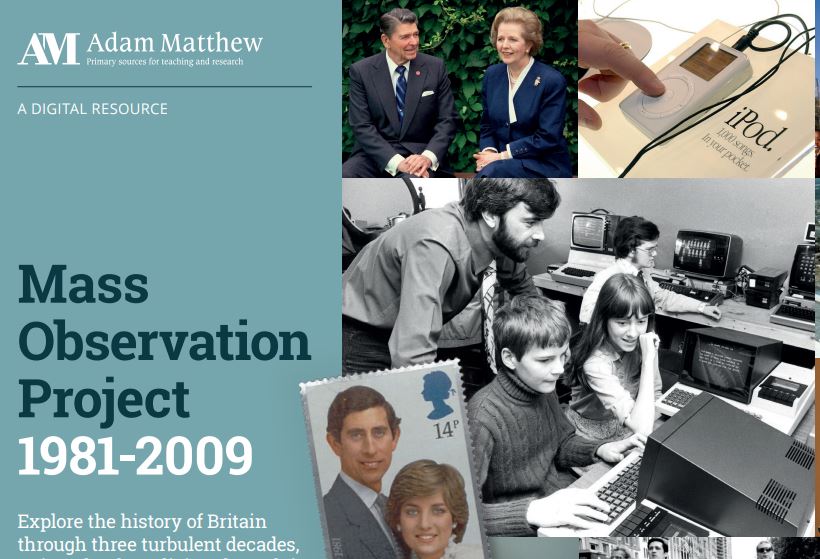
We’re delighted to announce that the Library has now bought the latest instalment of the Mass Observation Online collection, covering the 1980s and 1990s.

About Mass Observation

Mass Observation is a pioneering project which documents the social history of Britain by recruiting volunteers (‘observers’) to write about their lives, experiences and opinions. Still growing, it is one of the most important sources available for qualitative social data in the UK. This latest instalment is a great resource for anyone researching aspects of late twentieth century Britain. It complements our existing access to the original Mass Observation project archive, which covers 1937-1967.

1981-1999 collection

The 1980s and 1990s modules include hundreds of directive (survey) responses from observers on a wide range of issues, covering major political and social themes of the period from Thatcher to Blair, as well as everyday life. There are also photographs, leaflets, and other ephemeral materials, as well as contextual essays and timelines to help you interpret the collection.

Searching and browsing

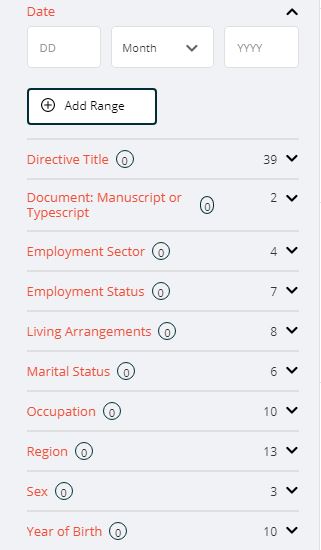
Filtering options

You can browse or search Mass Observation in various ways.

Browse by directive: browse the different directives (surveys), which are arranged chronologically and by topic.

Browse all documents: browse all the individual documents, and then further filter your search as required.

You can also use the Advanced search box at the top of the screen to search for specific topics.

Help

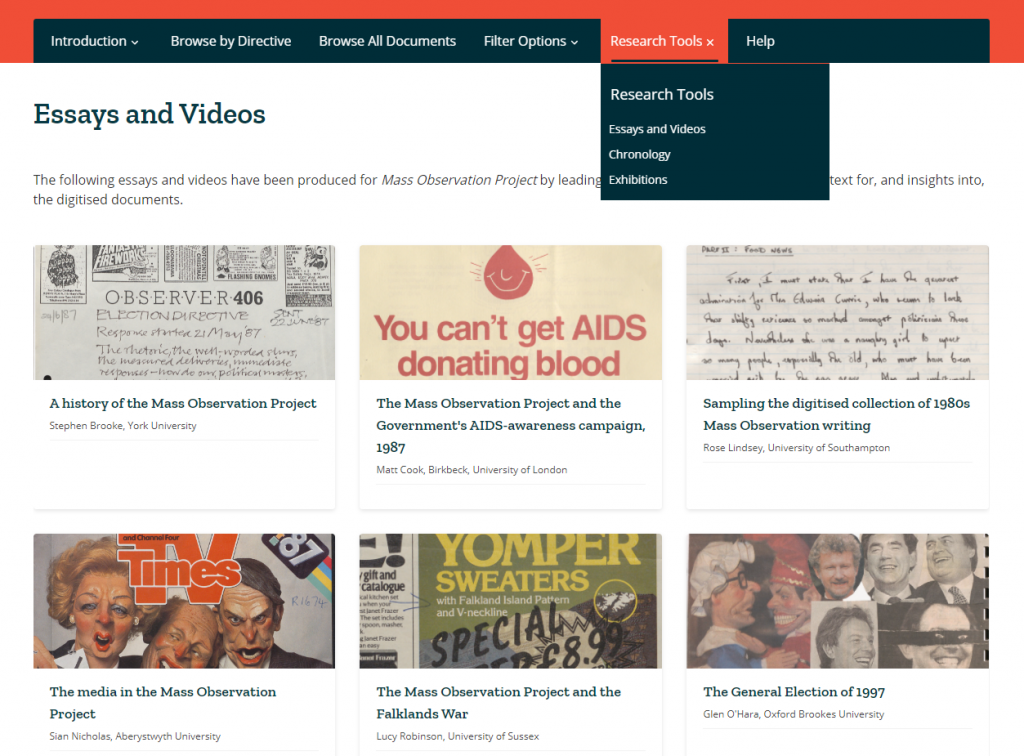
Research tools

We’d recommend you start by reading through the Introduction (top menu) which explains more about the project and the different document types. If you’re looking for ideas about how to make use of it, take a look at the Research Tools, which includes essays, videos, exhibitions and chronological timelines.

Note that as over half the materials in these collections are handwritten, the database enables Handwritten Text Recognition (HTR) to help you search. We would recommend you read about how HTR works, to help you get the best out of the database, in the Introduction section.

Books added to the Library by students in GPS (Semester Two 2020/21)

This image has an empty alt attribute; its file name is image-1.png

Our Recommend a Book service for students allows you to tell us about the books you need for your studies. If we don’t have the books you need, simply complete the web form and we’ll see if we can buy them. For books we already have in stock, if they are out on loan please make a reservation/hold request using Library Search.

Further information about Recommend a book.

In Semester Two, academic year 2020/2021 we received 104 requests from students (53 PGR, 23 PGT and 28 UGT) in the GPS. This is what we bought :

TitleResource type
A Companion to the Ancient Near EastBook – Electronic
Aesthetic Nervousness: Disability and the Crisis of RepresentationBook – Electronic
After Genocide: Transitional Justice, Post-Conflict Reconstruction and Reconciliation in Rwanda and BeyondBook – Physical
America & the World The Double BindBook – Electronic
America in Afghanistan: Foreign Policy and Decision Making From Bush to Obama to TrumpBook – Electronic
Atlas of the Aegean flora / 2 volume setBook – Physical
Beyond Spaceship Earth: Environmental ethics and the solar systemBook – Physical
Bodies for sale : ethics and exploitation in the human body tradeBook – Electronic
British Football and Social ExclusionBook – Electronic
Challenging Immigration Detention: Academics, Activists and Policy-MakersBook – Electronic
China Watching Perspectives from Europe, Japan and the United StatesBook – Electronic
China’s citizenship challenge Labour NGOs and the struggle for migrant workers’ rightsBook – Electronic
Class and Its OthersBook – Electronic
Clearly Invisible: Racial Passing and the Color of Cultural IdentityBook – Electronic
Contentious Cities Design and the Gendered Production of SpaceBook – Electronic
Convincing Ground: Learning to Fall in Love with your CountryBook – Electronic
Cuba and Africa, 1959-1994Book – Electronic
Cultural region : North East England 1945-2000Book – Physical
Culture and the senses: Bodily ways of knowing in an African communityBook – Electronic
Democracy in the fifty statesBook – Physical
Developmental Politics in Transition: The Neoliberal Era and BeyondBook – Electronic
Discursive Illusions in Public Discourse: Theory and PracticeBook – Electronic
Drone Warfare: War and Conflict in the Modern WorldBook – Electronic
Economic Geography: A Critical IntroductionBook – Electronic
Embodied Practices Feminist Perspectives on the BodyBook – Physical
Energy and Society: A Critical PerspectiveBook – Electronic
Ethical Research with Children Untold Narratives and TaboosBook – Electronic
Ethnographies of Home and Mobility: Shifting RoofsBook – Electronic
EU Development Policy in a Changing World: Challenges for the 21st CenturyBook – Electronic
Family Practices in MigrationBook – Electronic
Feminist perspective on the bodyBook – Electronic
Football in neo-liberal times. A Marxist perspective on the European football industryBook – Electronic
From Wealth to Power: The Unusual Origins of America\’s World RoleBook – Electronic
Gaming Globally Production, Play, and PlaceBook – Electronic
Geopolitics, Geography and Strategic HistoryBook – Electronic
Global Capital, Local Culture: Transnational Media Corporations in ChinaBook – Physical
Global Health GovernanceBook – Electronic
Great Power Politics in the Fourth Industrial Revolution: The Geoeconomics of Technological SovereigntyBook – Electronic
Handbook on Austerity, Populism and the Welfare StateBook – Physical
Handbook on the geographies of regions and territoriesBook – Electronic
Handbook on Think Tanks in Public PolicyBook – Electronic
Human Rights Approaches to Environmental ProtectionBook – Physical
Imagining the Peoples of Europe Populist discourses across the political spectrumBook – Electronic
Inter/nationalismBook – Electronic
Issue Salience in International PoliticsBook – Electronic
Killing AnimalsBook – Physical
Korea’s Online Gaming EmpireBook – Electronic
Lived experiences of ableism in academia: strategies for inclusion in higher educationBook – Electronic
Made in Hong Kong Studies in Popular MusicBook – Electronic
Making the Cut: How Cosmetic Surgery is Transforming Our LivesBook – Electronic
Mapping Exile and Return: Palestinian Dispossession and a Political Theology for a Shared FutureBook – Electronic
Maritime Asia vs. Continental Asia: National Strategies in a Region of ChangeBook – Electronic
Migration and the Search for Home Mapping Domestic Space in Migrants’ Everyday LivesBook – Electronic
Military Strategy as Public Discourse: America’s War in AfghanistanBook – Electronic
Moving the Goalposts : Football’s ExploitationBook – Physical
Museveni’s Uganda: Paradoxes of Power in a Hybrid RegimeBook – Electronic
Nature in Literary and Cultural Studies: Transatlantic Conversations on EcocriticismBook – Electronic
Near Abroad: Putin, the West and the Contest over Ukraine and the CaucasusBook – Electronic
New Directions in the Study of China’s Foreign PolicyBook – Physical
Nitrates in GroundwaterBook – Electronic
Ordinary ConsumptionBook – Electronic
Outdoor Learning, Past and PresentBook – Electronic
Politics and the Media in BritainBook – Electronic
Politics: Critical Essays in Human GeographyBook – Electronic
Racism and English Football: For Club and CountryBook – Electronic
Rain without thunderBook – Electronic
Realism and social scienceBook – Electronic
Remote Sensing of the CryosphereBook – Electronic
Researching Amongst Elites: Challenges and Opportunities in Studying UpBook – Electronic
Responsibility Beyond Growth A Case for Responsible StagnationBook – Electronic
Routledge Handbook of NGOs and International RelationsBook – Electronic
Seeing White: An Introduction to White Privilege and RaceBook – Electronic
Seeking Palestine: New Palestinian Writing on Exile and HomeBook – Electronic
Snow and Ice-Related Hazards, Risks, and Disasters / 2ndBook – Electronic
Sociology beyond societies : mobilities for the twenty-first centuryBook – Electronic
Stakes and Kidneys: Why Markets in Human Body Parts are Morally ImperativeBook – Electronic
Structure and Agency in the Neoliberal UniversityBook – Electronic
The Animal Rights Debate: Abolition or Regulation?Book – Electronic
The Bowhead Whale Balaena mysticetu: Biology and Human InteractionsBook – Electronic
The Corona Crash: How the Pandemic will Change CapitalismBook – Electronic
The End of Stigma: Changes in the Social Experience of Long-Term IllnessBook – Electronic
The first Department : a history of the Department of AgricultureBook – Physical
The Handbook of Diverse EconomiesBook – Electronic
The Hundred Years’ War on PalestineBook – Electronic
The Middle Voice of Ecological Conscience A Chiasmic Reading of Responsibility in the Neighborhood of Levinas, Heidegger and OthersBook – Physical
The New Silk Road: China Meets Europe in the Baltic Sea Region: A Business PerspectiveBook – Electronic
The Palgrave Handbook of Society, Culture and Outer SpaceBook – Physical
The Power of Ideas: The Rising Influence of Thinkers and Think Tanks in ChinaBook – Electronic
The Provocation of Levinas: Rethinking the OtherBook – Electronic
The Rise of Think Tanks in ChinaBook – Electronic
The rural housing question: Community and planning in Britain’s countrysidesBook – Electronic
The SAGE Handbook of Transport StudiesBook – Electronic
The SAGE Handbook of Visual Research Methods /2ndBook – Physical
The Trump, Bush, and Obama Doctrines: A Comparative AnalysisBook – Electronic
The World Food Programme in Global PoliticsBook – Electronic
Theorizing Native StudiesBook – Electronic
Thucydides on Choice and Decision Making Why War Is Not InevitableBook – Electronic
Transforming Industrial Policy for the Digital Age: Production, Territories and Structural ChangeBook – Electronic
Why the garden club couldn’t save Youngstown: the transformation of the Rust BeltBook – Electronic
Women Political Leaders and the MediaBook – Electronic
Women, Gender, and PoliticsBook – Electronic
Young Dark Emu: A Truer HistoryBook – Electronic