
Managing Information: Referencing

Referencing is an important part of academic writing – you’ll usually find it included in the marking criteria for your assignments and projects, with marks being awarded for correctly formatted citations and reference lists.

Why is referencing important?

  • It acknowledges the ideas and contributions of others that you have drawn upon in your work, ensuring that you avoid plagiarism
  • It highlights the range of reading you’ve done for your assignment and makes your own contribution clear, showing how you’ve taken ideas from others and built upon them
  • It enables the person reading your work to follow up on your references so they can learn more about the ideas you’ve discussed in your work or check any facts and figures.

How does referencing work?

Are there any tools that can help?

Yes!  There are lots of referencing tools that can help you manage and format your citations and references correctly.  Here are some examples:

A very useful online tool that lists all the information you need to include in a reference and provides examples of how a reference will look as an in-text citation and in a reference list.  See our ‘Level Up Your Referencing: Cite Them Right’ blog for more information.

  • Citation Buttons
Citation button consisting of a speech mark "

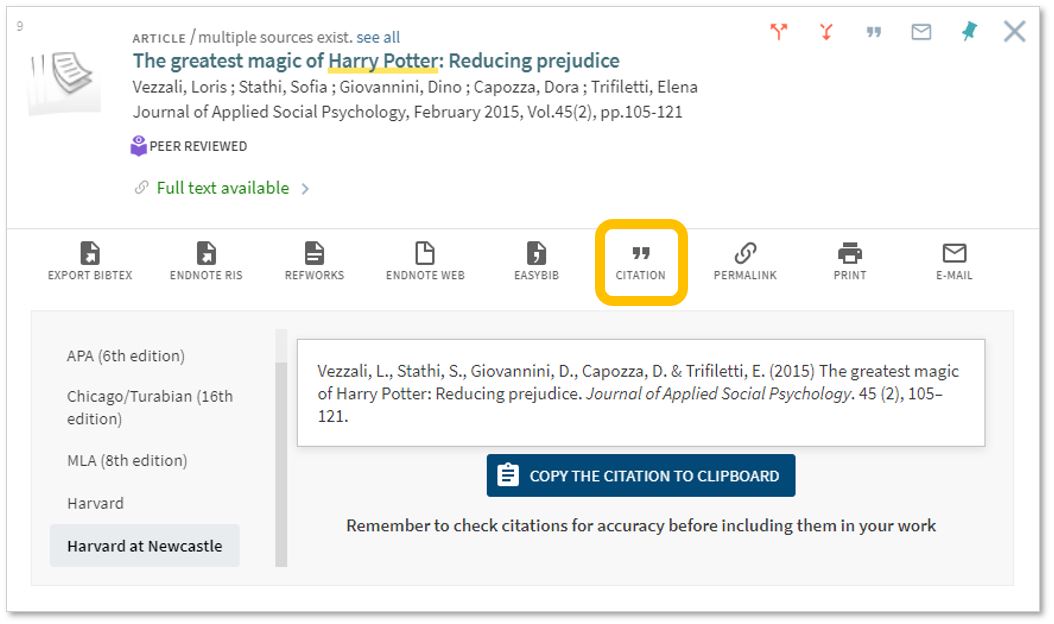
Keep an eye out for this symbol on Library Search and Google Scholar.  Clicking the button will provide the option for you to copy a reference in a particular style and paste it directly into your reference list.  You might need to tidy it up a little bit but it will save you time over writing them manually.

Reference building tools help you to create a bibliography using the correct referencing style.  You can input information manually or use import functions to pull information through from other webpages or documents.  As with the citation button above, reference building tools can save you time but you may still need to check the references are accurate.

  • Reference Management Software: e.g. EndNote

If you’re writing a detailed essay, dissertation or thesis, you may like to use a reference management tool such as EndNote, Mendeley or Zotero to help keep all of your references organised.  This software allows you to manually add references or import them from Library Search, Google Scholar or Subject Databases; sort references into groups; attach pdf documents or add notes.  You can then use the reference management software while you write to add in-text citations and format your reference list.

The University has a subscription for EndNote which is available in all University clusters and can be downloaded to your own personal device. You’ll find information about how to get started with EndNote on our EndNote Guide.

Remember: whatever tool you use, it’s always a good idea to get to know the conventions of the referencing style your school or lecturer would like you to use so that you can spot mistakes or missing information.

You can find out more about referencing and plagiarism by following this tutorial from Cite Them Right (You’ll need to log in to the institutional log in with your University username and password.)


Resource Guides: it’s all in the name!

Last week, we let you in on the secrets of Library Search. This week we want to introduce you to our Resource Guides.

Library Search is a great starting point for any piece of research or essay, but there comes a time, when you need some extra help in finding a particular type of information. And that’s where our Resource Guides come in.  We have a range of guides to suit your information needs including: company information, market research, government publications, newspapers, maps, statistics, patents, standards, theses and dissertations, plus much more.

The guides group together all the main library subscriptions we have for that specific type of information, as well as linking out to key external links and resources too. Wherever possible we also include guidance and help on how to get the best out of the databases and links and group the information together into a logical and helpful way. We know how busy life is and we simply want to save you time!

So what you are waiting for, go and check out our fabulously named Resource Guides, because they do exactly what they say on the tin!

Getting the most out of e-books

Woman reading on an eReader device.

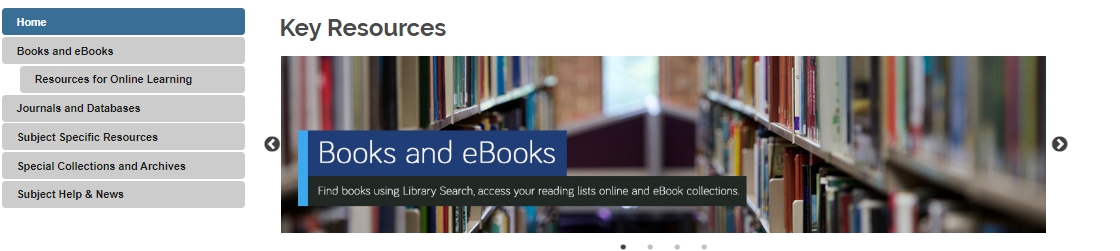
We have over 0.7 million e-books accessible through Library Search, including titles that feature on your reading lists, or those that have been recommended by staff and students. Sometimes we buy them through large bundle deals with specific publishers so we gain access to lots of research titles all at once.

Why use e-books?

e-books are incredibly useful resources as they are available 24/7 from any location, work with most devices and some come with snazzy features such as keyword searching, annotation options, links to other relevant information, and reading aloud facilities to name but a few.

How do e-books work?

As we get e-books from different platforms and providers you might see a different layout each time you access one of our titles but the logic is the same. You can navigate using a toolbar, you can normally turn pages using little arrows at the top or side of the page, you can jump to specific chapters and in some cases, print or download all or some sections of the e-book to read offline.

Unfortunately, one thing you can’t do with e-books is download and save offline a copy of the book to keep forever, there are usually some download restrictions. This is because we have subscriptions or licence access to titles but we don’t own the title. There is something called Digital Rights Management where publishers can control the copying, pasting and downloading of their content, this is linked to issues with privacy and copyright.

How do I access e-books?

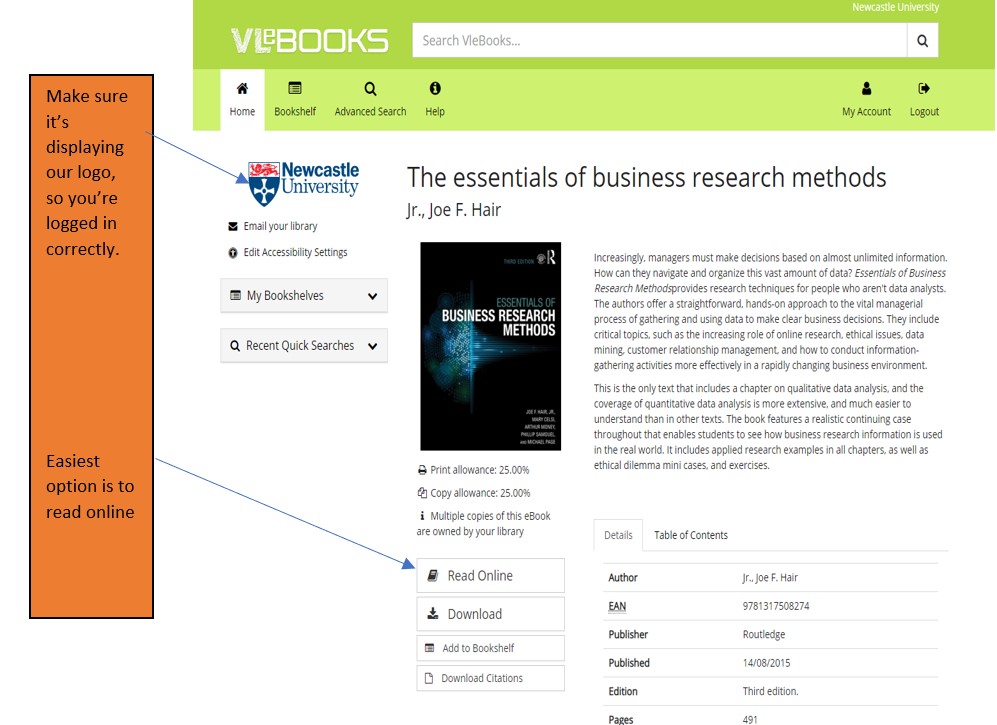
Simply navigate to Library Search and enter your keywords to look for a book title as usual. Library Search is the best way to access resources whether you’re on or off campus as it makes sure you’re logged in correctly and can access resources simply and quickly.

Watch this short video to begin searching for books and e-books.

From your search results, choose an e-book which looks relevant e.g. Essentials of Business Research Methods by Hair, which we know is popular book for Business students doing dissertations. If you are off campus, you will need to sign in with your University ID and Password.

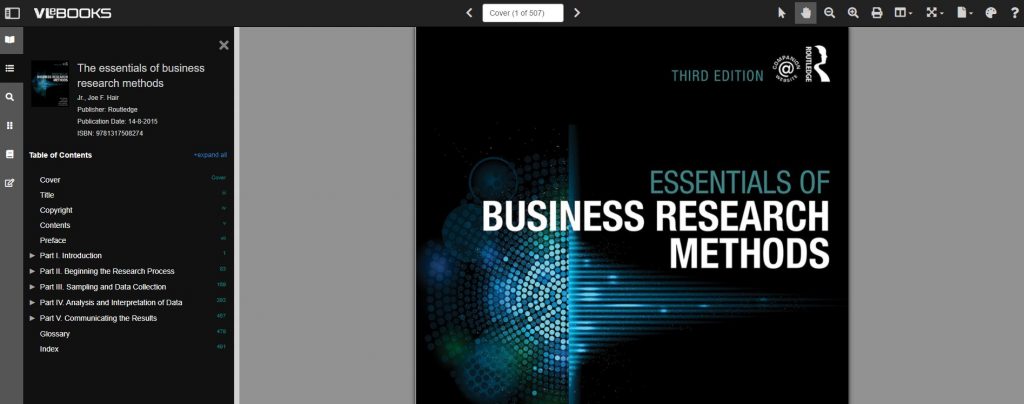
Once the e-book has loaded on the screen, hover over the functionality buttons to see what they do. For example; the search option will be useful if you’re looking for specific topics; use the Table of Contents to navigate straight to a chapter you’ve been told to read, or select the paint pallet to change the colour of the background to help with your reading.

Not all titles are available in eBook format for an institutional library to purchase, but if you’d prefer a title in electronic format we can certainly investigate. Just let us know by recommending a book.

Library Search: top search tips

Library Search is a powerful tool that can help you find good quality, relevant information quickly.  Using Library Search is pretty intuitive but there are some useful search tips that can help you improve and get the most out of your searches:

Keywords and Subject Terms

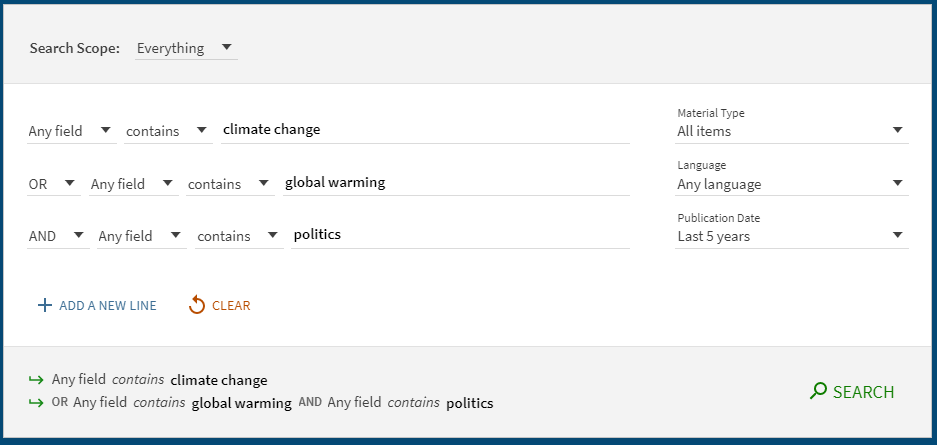
When you’re searching for information it’s important to use a range of related keywords to ensure you find everything relevant to your topic.  For example, if you’re searching for information on ‘Climate Change’ you might also want to search for ‘Greenhouse Effect’ or ‘Global Warming’ too.  Thinking of related keywords can sometimes be difficult but Library Search can help!

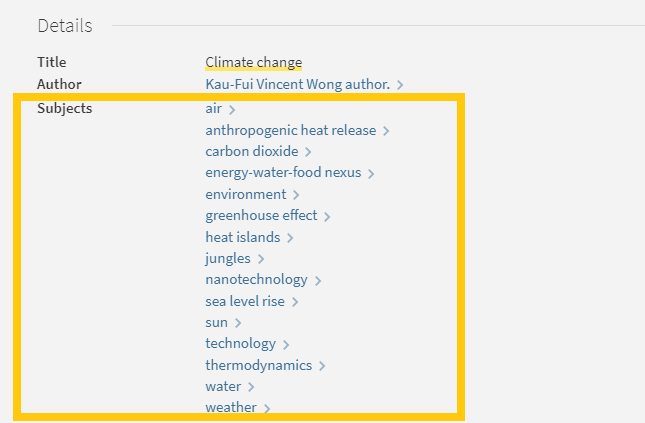
From your search results page, click on the title of a resource to open the resource record and scroll down to the ‘Details’ section.  Here you will find a list of ‘Subjects’, also known as subject terms, used to describe the topics and themes this particular resource discusses.  Take a look at this list and add any relevant words to your search string.

Screen shot of Library Search subject terms for climate change

There are some other useful features in the resource record page that can help with your searches too:

Browse the virtual shelf

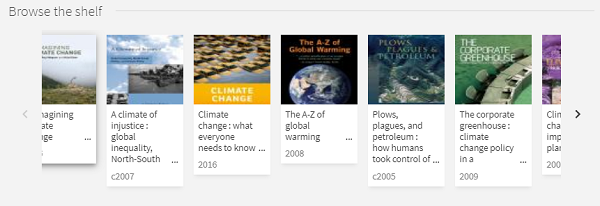
At the very bottom of the record you’ll find a virtual bookshelf, a visual list of the books that can be found next to this one if you were looking in the physical library.  As the library is organised by subject some of these titles might be useful for your research too.

Screen shot of virtual shelf on library search

Read the abstract

A quick way to tell if a resource is going to be relevant and useful for your research is to read the abstract, a summary of the contents of the resource.  On the resource record in Library Search, you’ll find this under the heading ‘Description’.

Advanced Search

The Advanced Search function in Library search allows you to create a search that will produce more focused results.  It does this by providing a range of search fields and drop down lists that help you build up your search.

Screen shot of advanced search

Select from the options to:

  • Limit your search field to the title, author, subject, collection etc.
  • Apply BOOLEAN operators (AND, OR, NOT) to your keywords
  • Filter by specific material types, languages and dates to focus your search results to the most relevant resources.

Take a look at the Advanced Searching page on our Finding Information Guide for more on how to combine your keywords, create a search string and improve your search results.

Library Search: (the secret stuff?)

You know Library Search. You use it every day when you’re at University. Why are you going to read a blog post on it? Well, we’re wondering if you’re using Library Search to its full potential. Not sure? Then read on.

Library Search is Newcastle University Library’s discovery tool – essentially it’s how you find resources on the library shelves and access those invaluable resources online. But what else can it do?

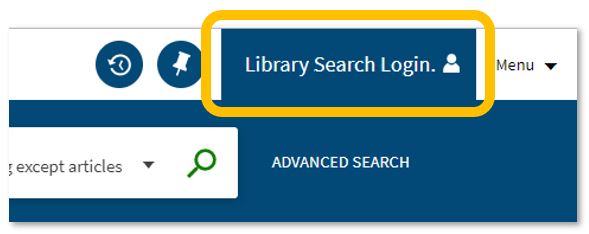
An image of the Library Search login function.

Log in. Using your usual Campus ID and password, you can open up the full functionality of Library Search by telling it who you are. It allows you to:

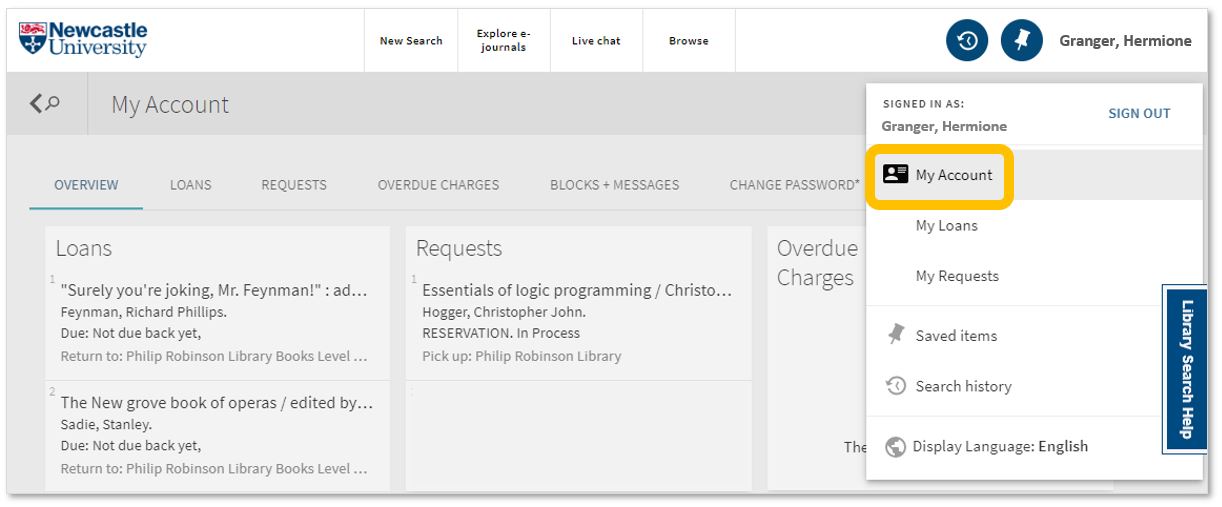
  • Log into your library account to see what books you have on loan (which you may be finished with and could return to any library site), those requests you’ve placed and any books you have on loan that may have been requested by someone else. The standard library stuff, but it’s important too.

An image of Library Search's My Account function.

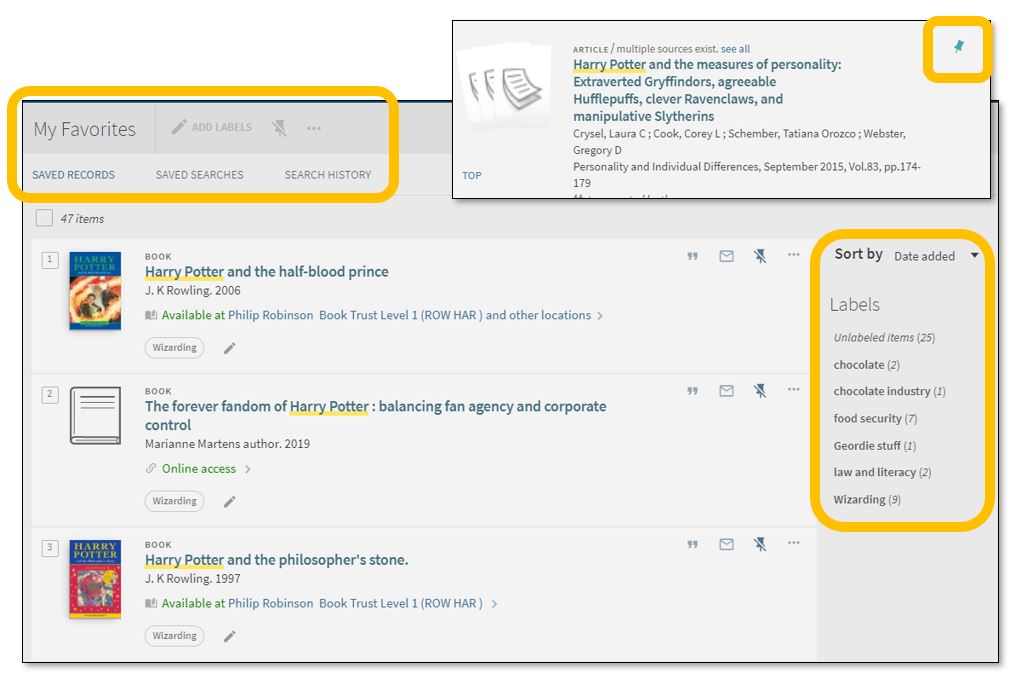
  • Save items you want to come back to (that’ll save you writing them down somewhere else). Find that favourite item and ‘pin’ it to your record. You can then access a list of your favourite books, journals or journal articles and label (or tag) them as to why you may need them, e.g. Herbology, Professor Snape’s essay, or Field Trip to Hogsmeade. That makes it easy to see what you need to use for each lecture, seminar or assessment.

An image of the Library Search Favourites tool.

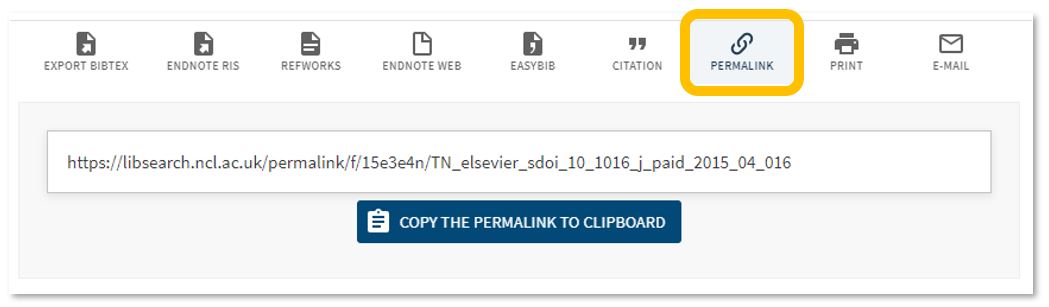
  • Permalink. You can share an item with someone if you want to – copy the permalink to the clipboard and send it to someone you know may be interested.

An image of Library Search's permalink tool.

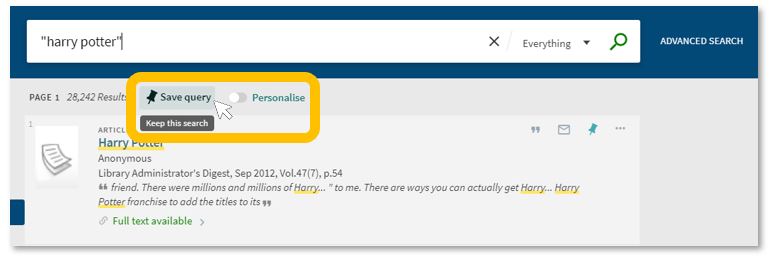
  • Save your search. If you need to repeat your search then save it within Library Search so you don’t need to remember the keywords and connectors (AND, OR, NOT) sequence. This is important if you are scoping a search and need to record or change your approach. You can also ‘Personalise’ your results to a particular discipline – give it a try!

Animage of the Library Search Save Search and Personalise tool.

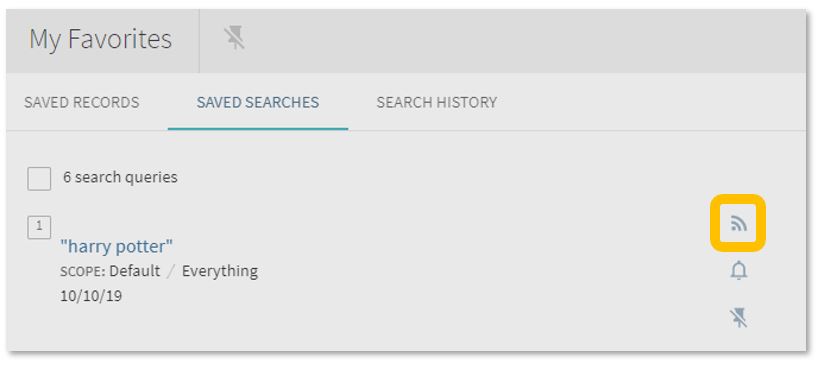
  • Set up a RSS Feed (yes, really!). The Rich Site Summary function allows you to be informed of changes to results in your saved searches. Handy, eh? Go to your Saved Searches and simply click the RSS icon.

An image of Library Search's RSS feed tool.

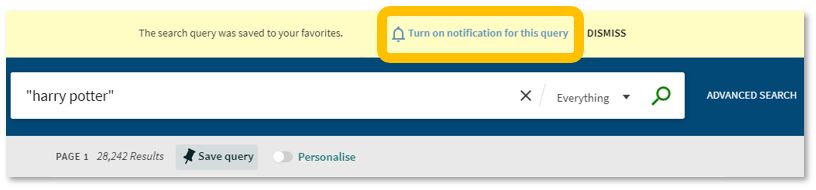
  • Receive an email alert when there are new results for your saved search. This can save you time in your research as Library Search will inform you if there is a new publication available which matches your search terms. Switch it off when you move onto a new subject area by accessing your Favourites list and deselecting the alarm bell icon.

An image of Library Search's email notification tool.

Finally, if you’re writing up your assignment and can’t remember the essential elements of a reference, then use Library Search for guidance. The Citation tool will allow you to view a suggested citation and to copy it to your clipboard for use in your work.*

An image of Library Search's Citation tool.

*BUT (you knew that was coming, didn’t you) ensure you choose the correct style and check your citations for accuracy before including them in your work. It pays to know your required referencing style and not to rely on automated or generated references. If you want to learn more about referencing then see our Managing Information guide and Cite Them Right. Cite Them Right is a great resource which will remind you of the importance of referencing, how to reference and will give guidance on how to cite those more tricky materials such as conference papers, newspaper articles, social media posts and more. Finally, there’s a new tutorial with lots of interactive questions so you can test yourself too.

If you know of any tips or tricks in Library Search that aren’t mentioned here, then leave us a comment and share them!

New resources for Science, Agriculture and Engineering 2020

We have been very busy over the summer adding to our growing collection of e-resources to support your studies and research. Discover individual titles in Library Search and browse some of the new collections now available to you below.

We have also invested in continued access to our Evidence-Based Acquisition (EBA) collections from multiple publishers, so you can browse and access hundreds of ebook titles and we can see which are the most popular titles for our students and researchers.

Spotlight on World Scientific eBook Collections

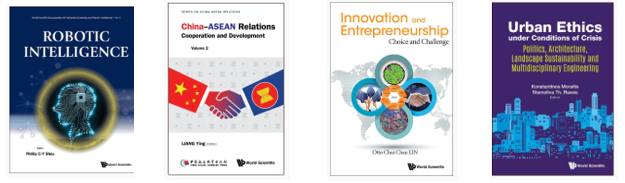
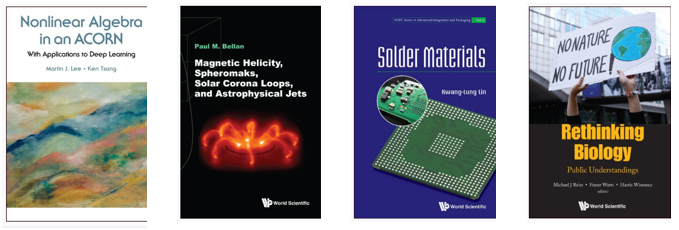
selection of book jackets

World Scientific Publishing (WSP) is an academic publisher of scientific, technical, and medical books and journals with headquarters in Singapore. WSP publishes about 500 books annually as well as more than 150 journals in various fields. World Scientific eBooks are electronic versions of World Scientific print titles. 

The titles span across a wide variety of subjects, including:

  • Asian studies
  • Business & Management
  • Chemistry
  • Computer Science
  • Economics & Finance
  • Engineering
  • Life sciences
  • Mathematics
  • Physics & Astronomy
  • Social Sciences

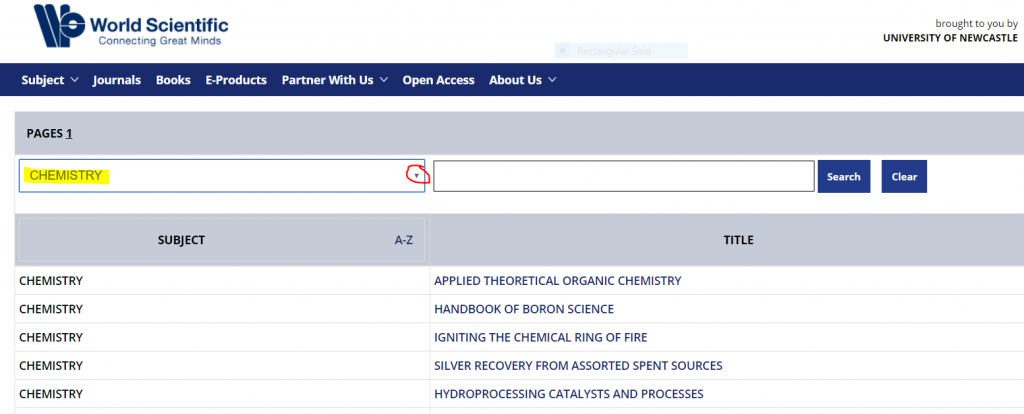
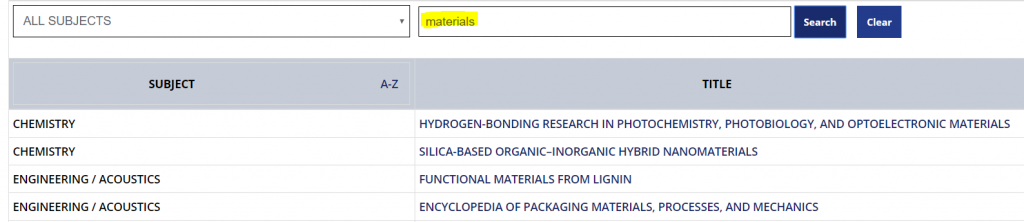
Once connected, you can search for titles within a specific subject:

Screen shot of subject search

Or for titles on a specific topic :

If you’re searching for titles directly through the World Scientific platform, look out for the “Full Access” symbol to make sure we have access to the full text content:

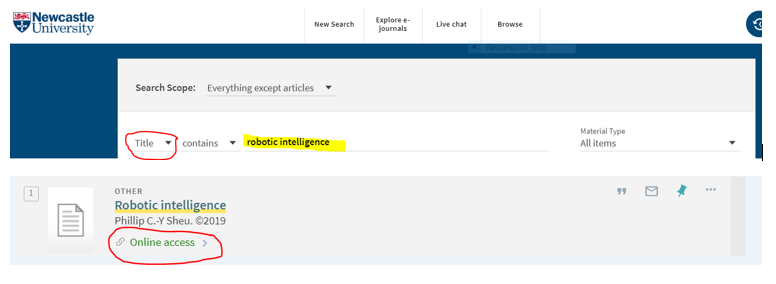
You can also search for individual titles on Library Search:

A user guide is available on the Library Subject Support guides and you can download from the link below:

selection of book jackets

New dataset – Digimap Pilot

A new dataset is now available within Digimap called the Pilot Collection. This provides temporary access to data that EDINA are trying out and want feedback from users. This means the data will be replaced with other data sets over time as new sets become available.

Digimap Pilot is free for staff and students at current subscribing higher and further education institutions and research councils. All you will need to do is to accept the end user licence agreement which is available when you log into Digimap with your Campus ID and password. As these datasets will change regularly then you’ll need to re-accept each new licence agreement as sets are replaced.

Digimap Pilot comprises two applications, one for creating maps online, the other for downloading data which enables further analysis and investigation in other packages:

  • Use Roam to view, annotate and print maps online.
  • Use Data Download to download data and load it into a GIS or CAD package for further manipulation

As of April 2020, Pilot currently offers access to the following data.

Geomni data which consists of:

  • UKMap a modern, highly detailed, feature-rich mapping database of Greater London. Its unique, innovative design offers users a flexible choice of integrated map features within a single geographic information source.  It comprises addresses, retail names, detailed shopping centre data, building heights, a wide range of points of interest, aerial photography, together with Digital Terrain and Surface Models.
  • This one dataset has different components for Greater London. This includes UKMapLondon which provides aerial imagery with a resolution of 10cm, UKMap Upper Floors which shows more granular information e.g. which shops are on different floors of shopping centres, UKMap Tree Canopy which indicates tree canopies.
  • UKBuildings a unique database created and regularly updated to help you understand the age, structure, characteristics and use, of commercial, public and residential buildings across the UK.
  • UKLand a maintained, national land information database providing a detailed consistent breakdown of the use of land across the UK. There are 30 different land classes available e.g. woodland, water features, transport and commerical.

An EDINA Satellite data collection initially consisting of:

  • Sentinel 2 derived cloud free optical mosaic for Great Britain, 2019.
  • Sentinel 2 derived Near Infrared mosaic for Great Britain, 2019.

These 2 sections are currently available until the 31/07/2020.

Within the Pilot Data Download section you’ll also find some useful product information such as where the data comes from, it’s availability and sizing and Copyright information.

If you’re using mapping data already you might want to use this in conjunction with GIS if you’re manipulating or working with the data. Or doing a comparison to other maps you might have found freely available e.g. Google Maps.

SciFinder – a one-stop shop for chemical reactions, substances, and scientific literature.

SciFinder is a research discovery application that provides integrated access to the world’s most comprehensive and authoritative source of references, substances and reactions in chemistry and related sciences.

Accessible via Library Search this powerful, chemist-curated database from CAS offers reference, substance and reaction searching with sophisticated analysis tools. Substances can be searched by chemical structure, markush (for Patents), molecular formula, property or substance identifier. All alternative substance names are listed alongside CAS Registry numbers and commercial sources. Popular in industry, this database is vital for students and researchers in chemistry, pharmacy, forensic science, medicinal chemistry and chemical engineering.

To use SciFinder you must register and sign in when prompted. On doing so you can then set personal preferences, explore resources, and save your own searches. You can also browse your search history and set up alerts and notifications.

SciFinder Mobile allows you quick and easy access to references of published scientific research and information on substances of interest (including nomenclature, molecular formula and properties) from your smartphone.

If you’d like to know more or need a little help to get started CAS provide a range of online support and training. There are also a selection of instructional videos available on YouTube.

So get registered, sign in, and explore. You’ll be inputting structures using the drawing editor and conducting substructure searches in no time!