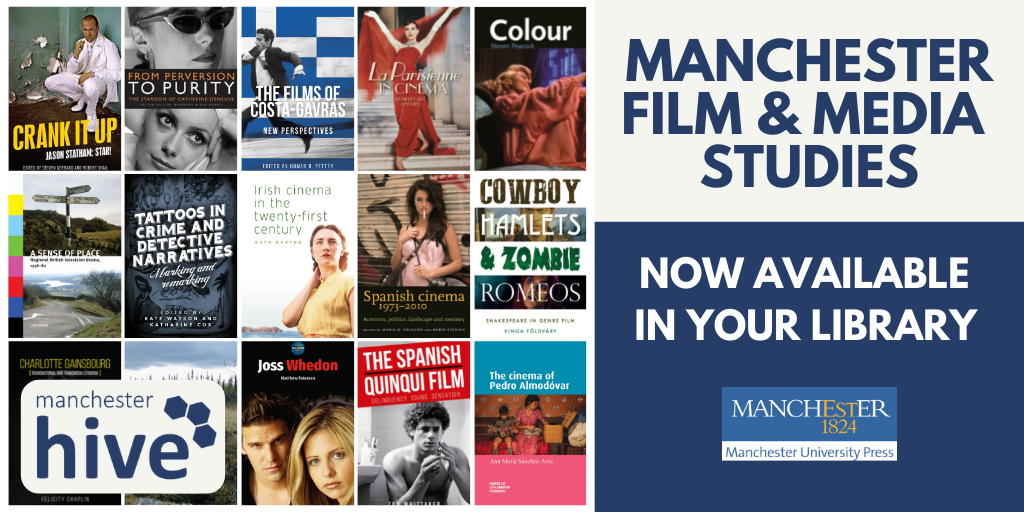
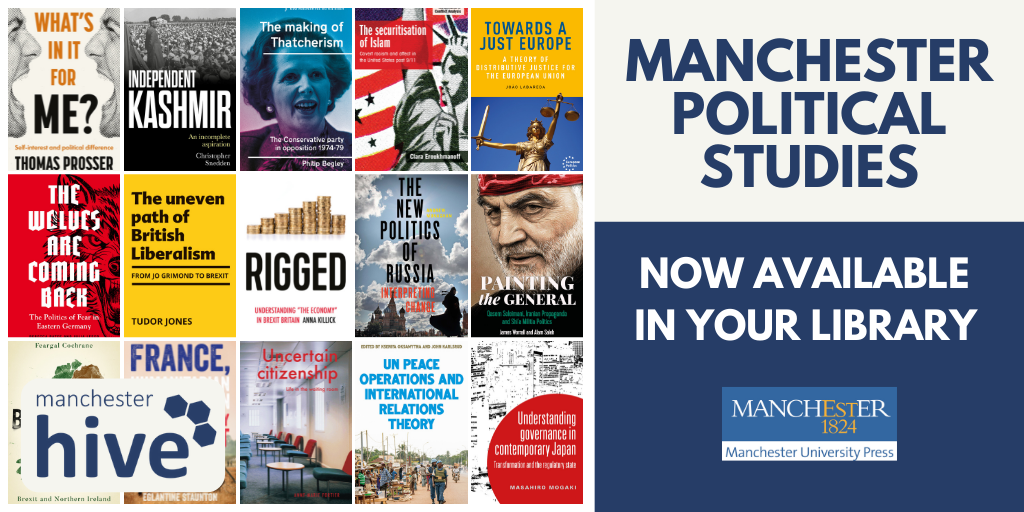
We have bought several new e-book collections from Bloomsbury and Manchester University Press, complementing and updating our existing collections from these two publishers.
From Bloomsbury, we have bought new collections in:
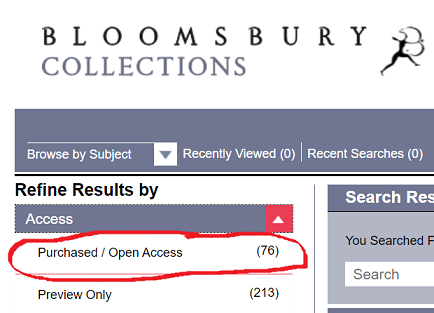
All the titles are individually catalogued on Library Search, or if you prefer, you can browse them from the publishers’ platforms via the links above. NB If you are browsing any of the Bloomsbury subject collections, under Access, tick Purchased/Open Access.
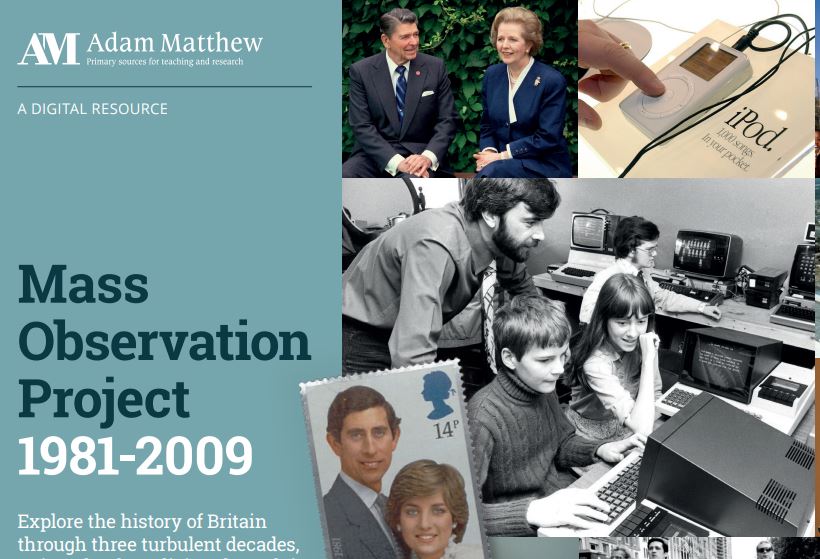
We’re delighted to announce that the Library has now bought the latest instalment of the Mass Observation Online collection, covering the 1980s and 1990s.
About Mass Observation
Mass Observation is a pioneering project which documents the social history of Britain by recruiting volunteers (‘observers’) to write about their lives, experiences and opinions. Still growing, it is one of the most important sources available for qualitative social data in the UK. This latest instalment is a great resource for anyone researching aspects of late twentieth century Britain. It complements our existing access to the original Mass Observation project archive, which covers 1937-1967.
1981-1999 collection
The 1980s and 1990s modules include hundreds of directive (survey) responses from observers on a wide range of issues, covering major political and social themes of the period from Thatcher to Blair, as well as everyday life. There are also photographs, leaflets, and other ephemeral materials, as well as contextual essays and timelines to help you interpret the collection.
Searching and browsing
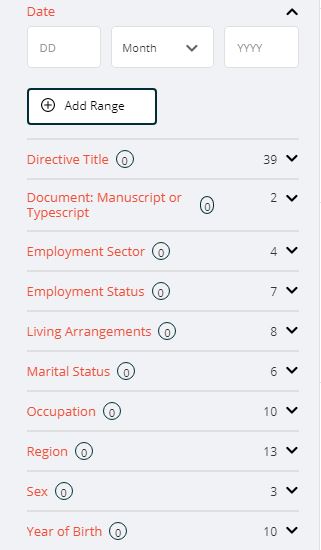
Filtering options
You can browse or search Mass Observation in various ways.
Browse by directive: browse the different directives (surveys), which are arranged chronologically and by topic.
Browse all documents: browse all the individual documents, and then further filter your search as required.
You can also use the Advanced search box at the top of the screen to search for specific topics.
Help
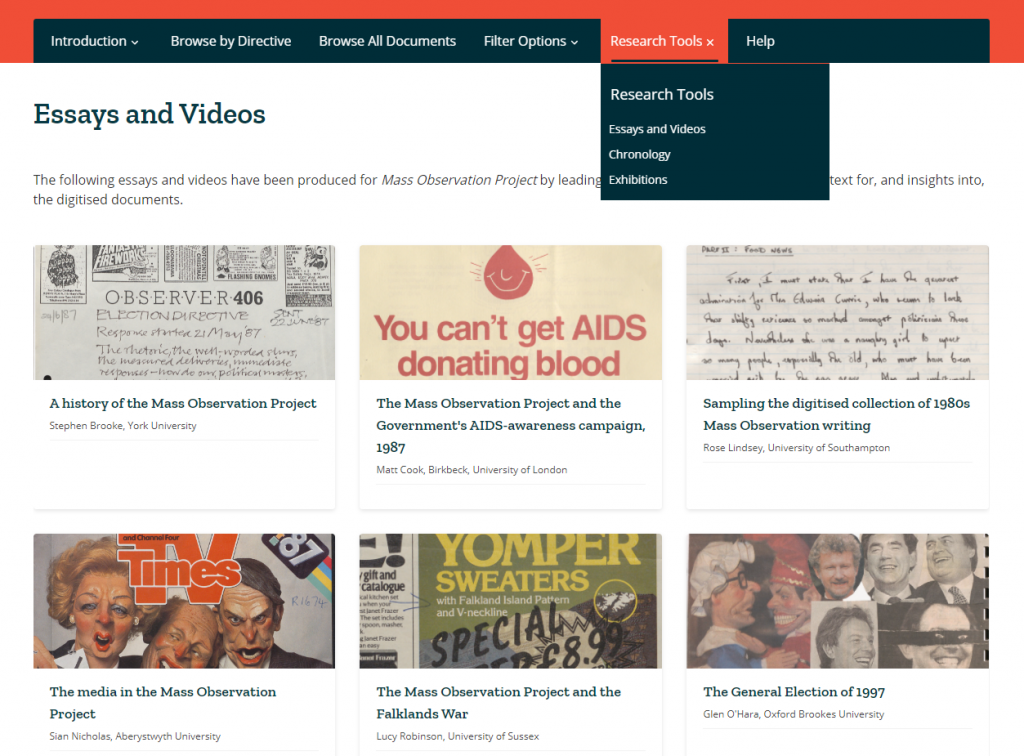
Research tools
We’d recommend you start by reading through the Introduction (top menu) which explains more about the project and the different document types. If you’re looking for ideas about how to make use of it, take a look at the Research Tools, which includes essays, videos, exhibitions and chronological timelines.
Note that as over half the materials in these collections are handwritten, the database enables Handwritten Text Recognition (HTR) to help you search. We would recommend you read about how HTR works, to help you get the best out of the database, in the Introduction section.
We’re pleased to announce that the Library has bought the new Oxford World’s Classics e-book collection, following a well-received trial earlier this year.
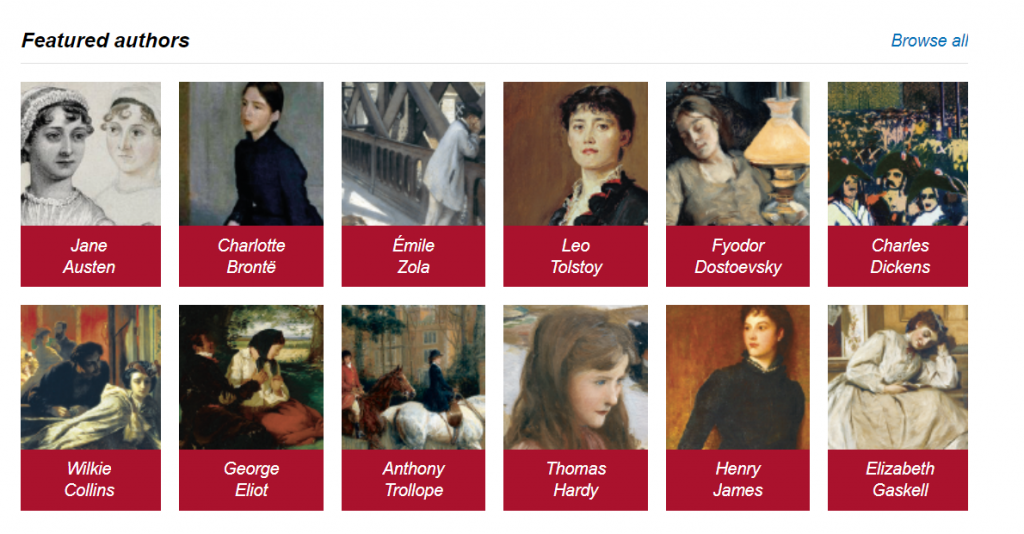
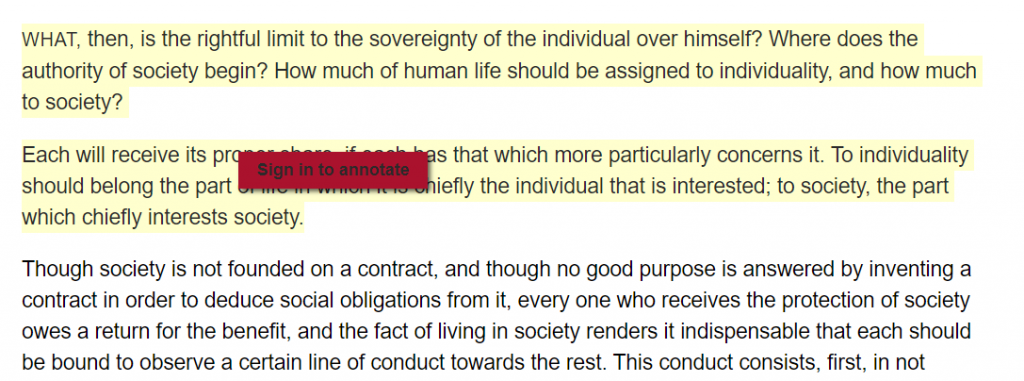
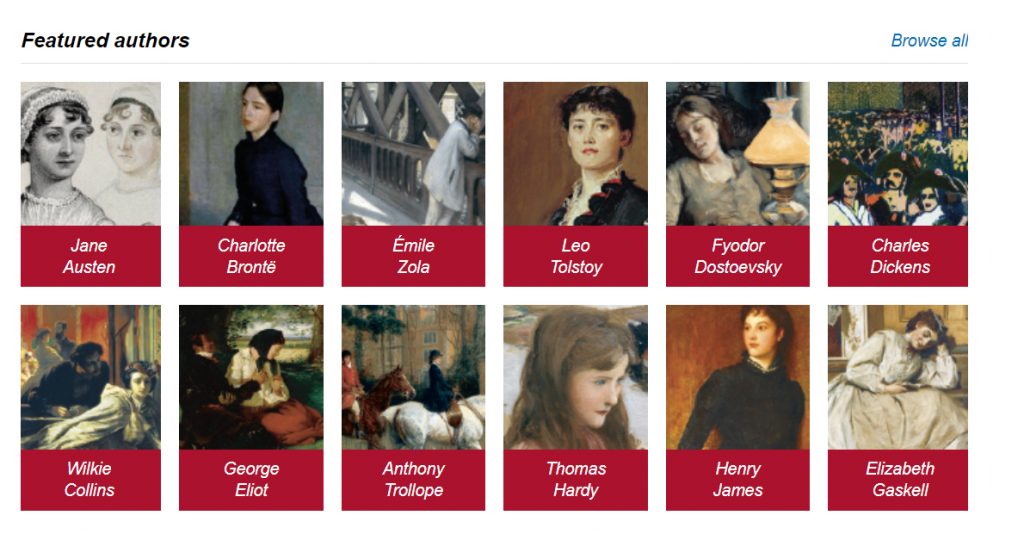
This provides access to 301 novels and other works from the 18th and 19th centuries from around the world, including novels by writers such as Jane Austen, Charles Dickens, Emile Zola and Fyodor Dostoevsky, as well as works such as Charles Darwin’s On The Origin of Species and John Stuart Mill’s On Liberty.
OWC authors
Each work is accompanied by extensive hyperlinked notes, introductions, bibliographies and commentaries. You can browse or search the entire collection in various ways (for example: by author, subject, keyword or time period). Every book in the collection is also individually catalogued on Library Search (here is an example).
When reading a book, you can highlight text and make and save annotations (you’ll need to create a Personal Profile first).
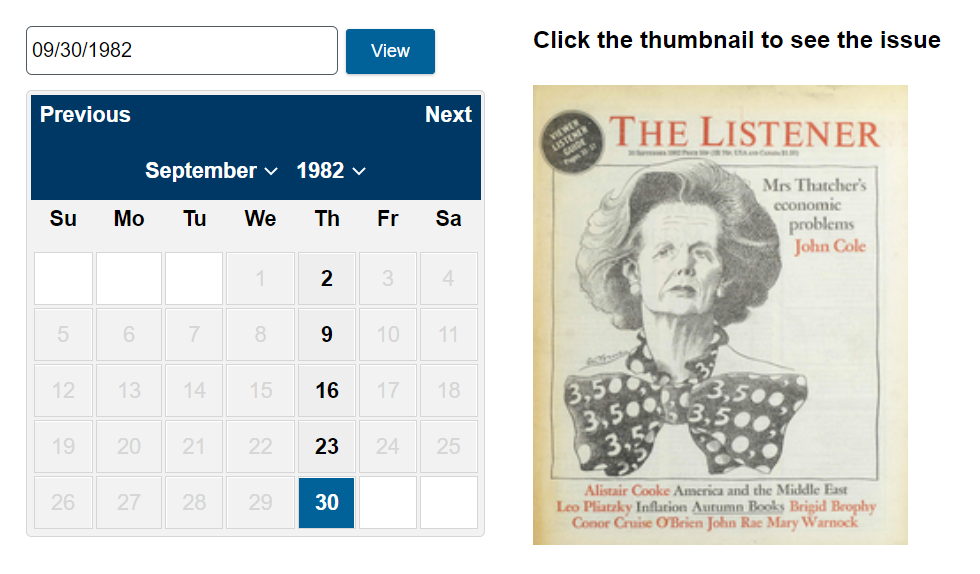
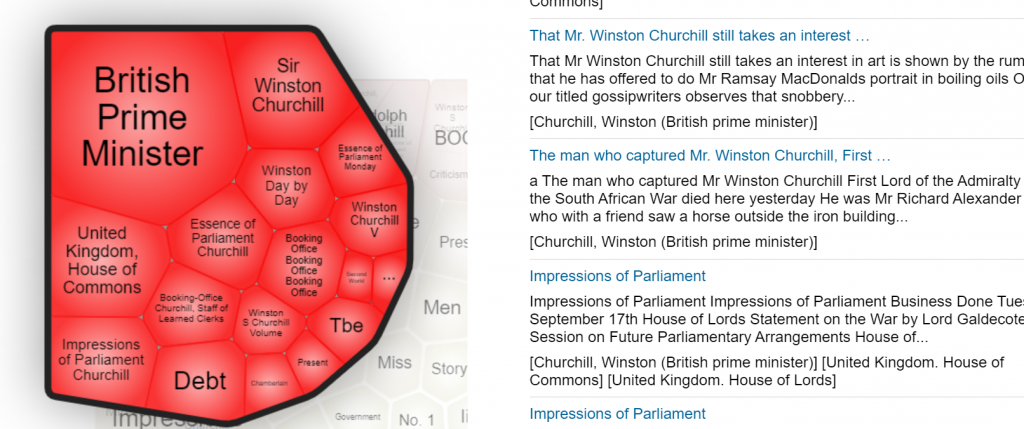
The Listener was a weekly magazine established by the BBC in 1929 under its director-general, Lord Reith. It was initially developed as the medium for reproducing broadcast talks on the radio, but in later years, television as well, and was the intellectual counterpart to the BBC listings magazine, Radio Times. It is one of the few records and means of accessing the content of many early broadcasts, and also regularly reviewed new books.
The Listener developed a reputation for outstanding writing, with contributions from the major writers, artists, commentators and thinkers of the twentieth century, including E.M. Forster, George Orwell and Virginia Woolf. It’s an invaluable resource for those researching the critical reception of culture in the twentieth century, and the response of the public.
You can browse The Listener by date to find a specific issue, or search in various ways (choose Advanced Search to see all options, including searching by section of the magazine, author or date.)
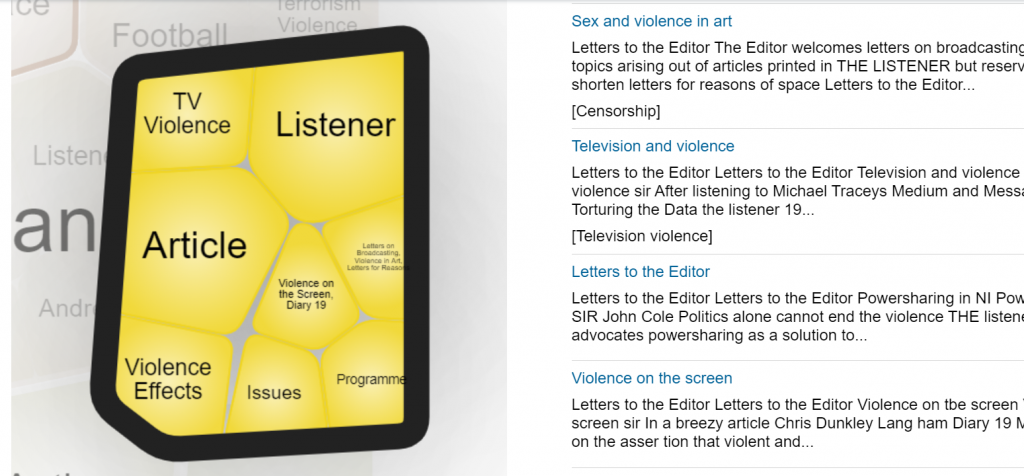
Additional search features on the home page include Term Frequency, to trace how often a word, phrase or person has featured in The Listener over the years, and Topic Finder, to explore and visualise connections between topics.
As the Listener archive is published by the company Gale, you can cross-search it with any of the other Gale archives to which we have access, via Gale Primary Sources.
The Library has access to the entire digitised archive of Punch from 1841-1992.
Punch was a famous satirical magazine which played a central role in the formation of British identity, and how the rest of the world saw Britain. This archive covers all volumes of Punch between 1841-1992, including special numbers, prefaces, epilogues, indexes, images and other specially produced material from the bound volumes. It’s an excellent resource for researching nineteenth and twentieth century political and social history, through provocative and entertaining satirical commentary.
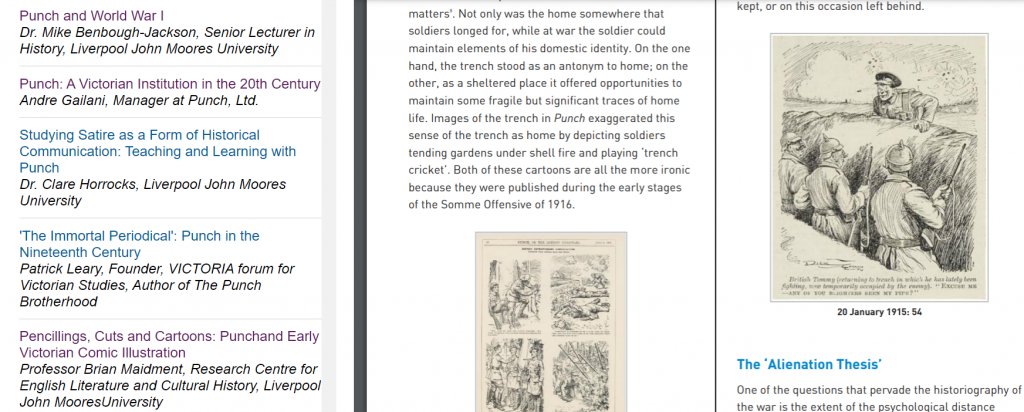
To find out more about Punch, click Research Tools to read a selection of essays about different periods of its history.
You can browse Punch by date to find a specific issue, or search in various ways (choose Advanced Search to see all options, including searching by section of the magazine, illustration type or date.)
Additional search features on the home page include Term Frequency, to trace how often a word, phrase or person has featured in Punch over the years, and Topic Finder, to explore and visualise connections between topics.
As the Punch archive is published by the company Gale, you can cross-search it with any of the other Gale archives to which we have access, via Gale Primary Sources.
We have access to the complete digitised archive of Picture Postfrom 1938-1957. Picture Post was a British magazine (seen as the British equivalent of Life magazine) which was renowned for its use of photojournalism, in an era before television. It covered social and political issues, as well as providing a visual record of everyday life in Britain during and after World War Two.
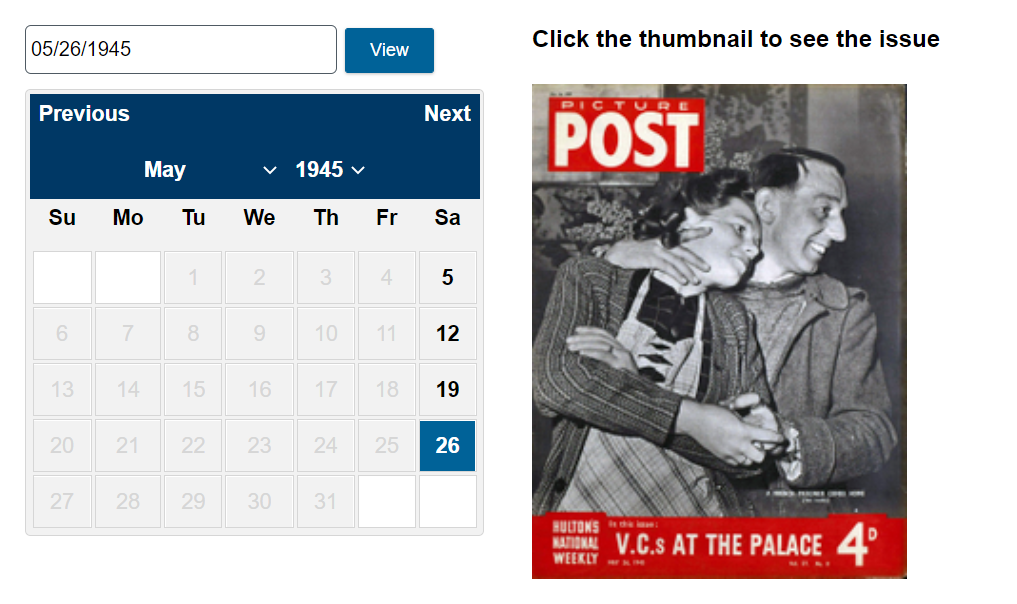
You can browse the full colour archive by date to find a specific issue, or search in various ways (choose Advanced Search to see all options, including searching by section of the magazine, illustration type, or by date.)
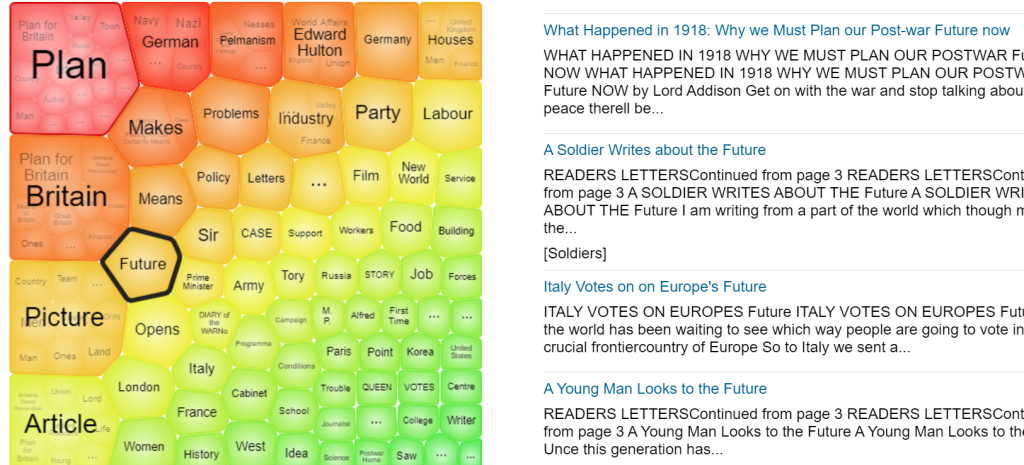
Additional search features on the home page include Term Frequency, to trace how often a word, phrase or person featured in Picture Post over the years, and Topic Finder, to explore and visualise connections between topics.
As the Picture Post archive is published by the company Gale, you can cross-search it with any of the other Gale archives to which we have access, via Gale Primary Sources.
The Library has access to thousands of contemporary books online, but did you know we also have online access to almost every work published in the English language from the invention of printing in the fifteenth century to the start of the nineteenth century?
Read on to find out about five of our major historic book collections online, and how to get the best out of them.
EEBOgives access to the full text of almost every book published in the British Isles and British North America between 1470-1700. It contains over 146,000 titles, including literary works, royal and parliamentary documents, ballads, tracts, and sermons, giving a unique insight into the cultural and political life of that period. You can read works by major figures such as Shakespeare, Newton and Galileo, as well as many lesser-known works. EEBOdisplays digital facsimile images of every page of content, and full text transcription is available for many of the texts.
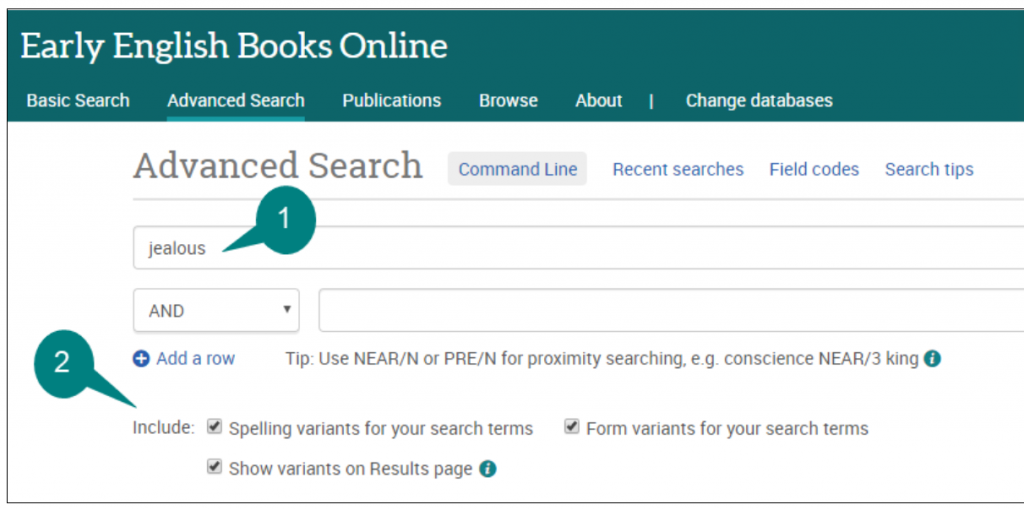
You can search, browse and export from EEBO in various ways, and all the individual works are individually catalogued on Library Search as well. If you are likely to be making frequent use of EEBO, we’d strongly recommend you spend some time exploring this EEBO guide, as it gives tips on key aspects such as searching for spelling variants.
ECCOgives access to the full text of every book printed in the United Kingdom, and territories under British colonial rule, in the eighteenth century. It contains over 180,000 titles, including literary works, royal and government proclamations, schoolbooks and petitions.
As with ECCO, digital facsimile images of every page are provided, and optical character recognition enables full text searching. All items are individually catalogued on Library Search, but we’d recommend searching directly from the ECCO interface to benefit from advanced search options, and special features such as term frequency and topic finder. As ECCO is part of the Gale Primary Sources platform, you can cross-search it along with other Gale resources, such as historic newspapers.
The Early European Books collection complements EEBO, and aims to encompass European printed material from circa 1450-1700.
Content comes from major European libraries, and is being added to regularly (we currently have access to over 25,000 titles). Facsimile images scanned directly from the original printed sources are provided, and detailed catalogue records help you search (we recommend choosing Advanced Search to see the full range of options).
These books aren’t individually catalogued on Library Search, so you’ll need to search directly from the Early European Books interface.
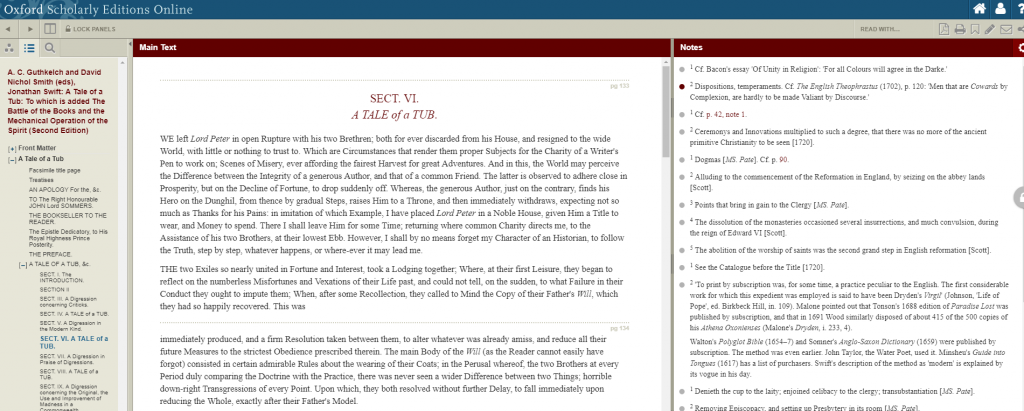
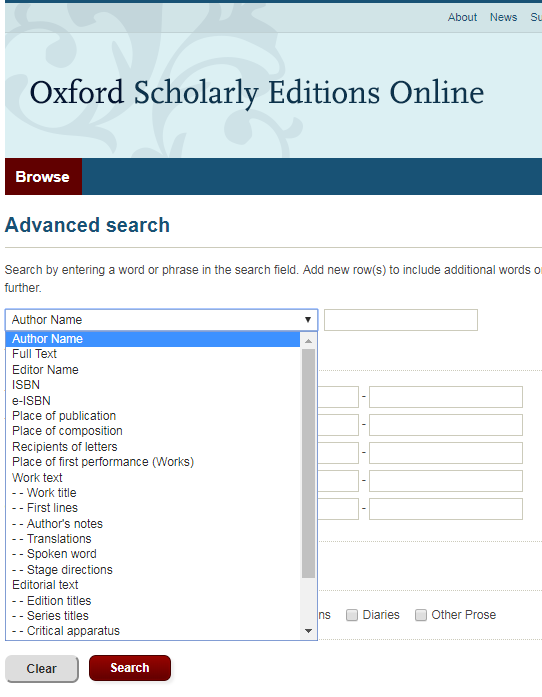
OSEO enables you to explore old works in new ways. It brings together authoritative editions of major works, so you can explore variations between editions, annotations and extensive notes side-by-side with the texts, or you can just read the texts on their own.
We have access to 272 Oxford editions, containing 344 works, including poetry, prose, drama, essays and correspondence, in the following categories: Romantics Prose; Romantics Poetry; 18th Century Drama; 18th Century Prose.
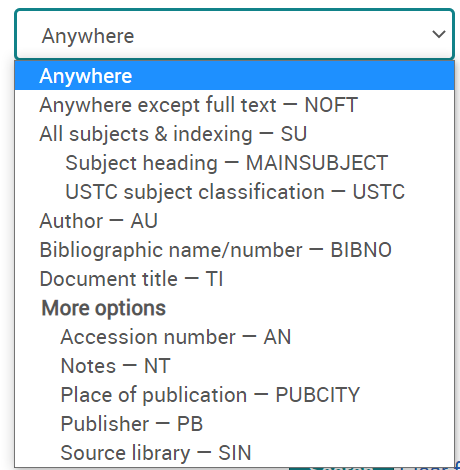
You can browse by work, edition or author, or search in highly specific ways (e.g. just search within notes or stage directions) to pinpoint exactly what you want.
The editions are individually catalogued on Library Search, but we’d recommend searching for works and editions via the OSEO interface itself. If you haven’t used OSEO before, we’d strongly recommend watching this introductory video, so you can understand its potential and how to get the best out of it.
5. Oxford World’s Classics
Stop press! We’ve just bought access to this new online collection of over 300 works from the 18th and 19th centuries. Read our separate blog post to find out all about it.
I actually enjoy a good conspiracy theory, and they often make for great film or TV tropes. Do you remember the end clip of Indiana Jones and the Raiders of the Lost Ark where the American government are storing the Ark of the Covenant in a huge warehouse? Do you think this is true? Might governments be hiding top secret things from us in massive, unknown warehouses? I like to jest that I believe this is real.
However, it wasn’t until recently that I realised how dangerous really believing in conspiracy theories can be. Watching the storming of Capital Hill in Washington DC back in January this year, opened my eyes to how conspiracy theories could take hold and potentially endanger lives.
Like fake news, conspiracy theories have been around for a very, very, very long time. Here’s some that you might recognise:
Most recently, you may have spotted some of the dangerous conspiracy theories rising up around the Covid-19 pandemic.
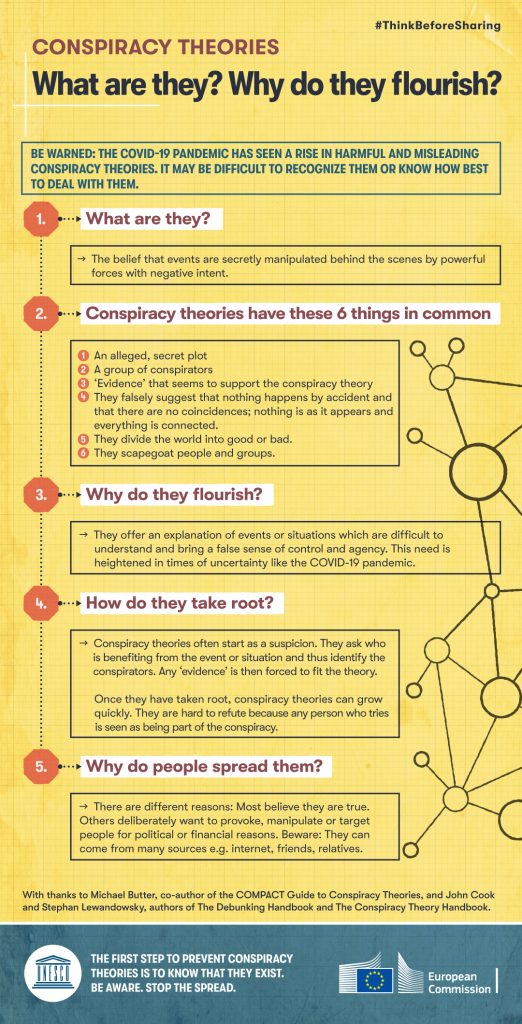
Do you believe in conspiracy theories? Do you know anyone that really believes in them? Have you ever found it hard to talk to them about what they believe? In light of the conspiracy theories surrounding Covid-19, The European Commission have created 10 useful infographics to help people be aware of conspiracy theories, how they spread, the dangers of them, how to talk to people who do believe in them, and (like fake news), how you should think twice before sharing them online:
I found it particularly interesting to learn that it is basic human nature to question reality in periods of uncertainty/change/major incidents (such as the pandemic, 9/11, shootings of presidents etc.), hence this is often when conspiracy theories take off.
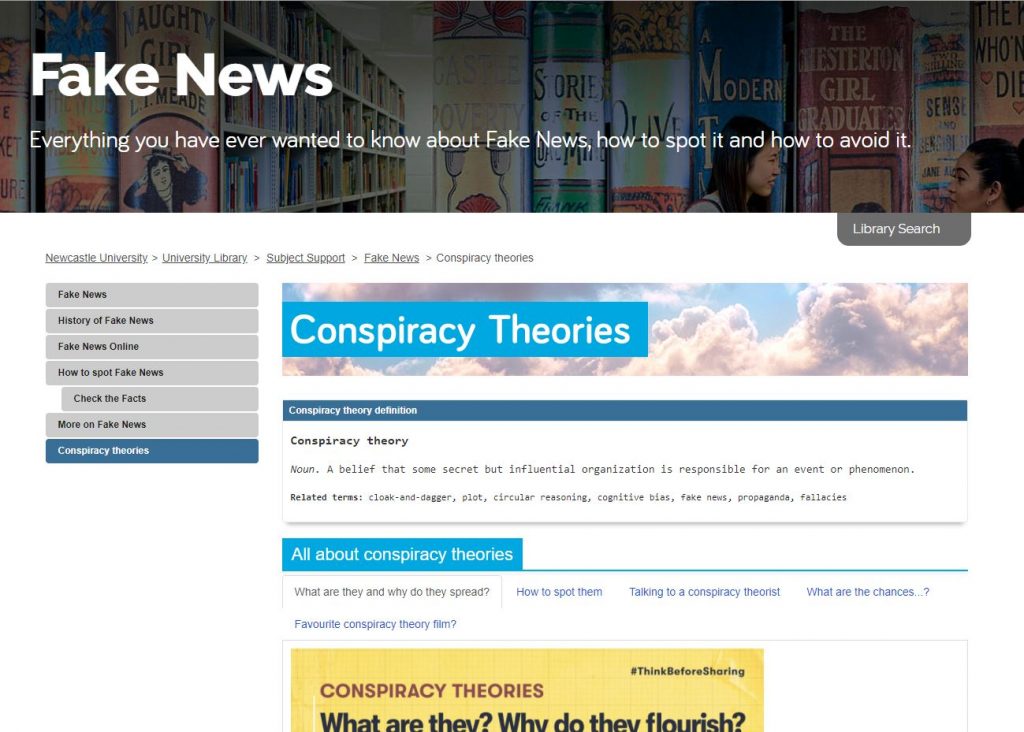
You’ll find these infographics on our Fake New Guide , along with other new content including links to some excellent videos and articles. Be sure to take our poll to share your favourite conspiracy theory movie too!
As a University student, it’s important for you to be aware of conspiracy theories; to know of the dangers they pose, to check your own beliefs and to be careful of what you share online. Use these resources to learn more and always remember, the truth is out there…
I’m not a massive podcast listener, but the ones I do listen to are entertaining, comforting and familiar. The wonderful thing about podcasts is that no matter what you are interested in, I bet there is a podcast out there on it – there is definitely something for everyone. You can also download and listen to them anywhere and anytime on your phone (and most of them are free) – I like to download them and listen whilst walking the dog or play them through the radio on long drives. How do you listen to yours?
So, this Winter holiday, download some new podcasts and get out in the fresh air to awaken all of your senses – you may even learn something along the way!
Here are some Christmassy inspired podcast episodes to get you in the mood:
99% Invisible – For those who love design and architecture, myself and my fellow Librarians can highly recommend this podcast series. 99% Invisible is about all the thought that goes into the things we don’t think about — the unnoticed architecture and design that shape our world. Here’s a couple of Christmassy themed episodes for you to enjoy:
The Truth: Santa’s Nine – The Truth create their own original short stories that are sometimes dark, sometimes funny, and always intriguing. Each episode is only 20-30 minutes long. This episode tells the tale of two best friends that take part in a Christmas Eve heist only to discover their boss isn’t who they thought he would be.
Scienceish: Christmas Special – Haven’t listened to this series before, but looks right up my street! Rick Edwards (presenter) and Dr. Michael Brooks (Editor of the New Scientist), delve into the science behind popular culture. Enjoy last year’s Christmas special from Scienceish where Rick and Michael conclude Season 2 by revisiting their favourite questions – fringe theories, spider goats, and simulated universes.
The Infinite Monkey Cage – Christmas Special: The Science of Magic – The Infinite Monkey Cage is a BBC Radio 4 comedy and popular science series, hosted by physicist Brian Cox and comedian Robin Ince. Enjoy last year’s Christmas special that looks at the science behind some of our best loved magic tricks and illusions.
Other top podcasts series to discover for any time of year:
Spark from CBC Radio – This has been one of my favourite podcasts for a few years now. The host Nora Young explores how technology, innovation and design affects our lives.
Happy Place – Fearne Cotton’s Happy Place podcast series builds on the success of the top 10 bestseller HAPPY where Fearne draws on her own experiences and shares advice from experts on how to work through feeling blue to finding joy each and every day. I need this right now!
Desert Island Discs – Another one of my go-to podcast series. Yes you can listen to many a famous celebrity on this, but what I really enjoy is learning about many interesting figures in sciences, arts, education, politics etc. Those who you will have never heard of before, but who have had very interesting lives and done some amazing things in the World.
Made of Human – Comedian Sofie Hagen chats to comedians, authors, actors, musicians, activists, medical professionals, podcasters, influencers and artists about how to do life. (Spoiler alert: no one really knows)
Table Manners with Jessie Ware – Jessie Ware hosts a podcast about food, family, and the beautiful art of having a chat, direct from her very own dinner table. With a little bit of help from her chef extraordinaire mum Lennie, each week guests from the worlds of music, culture and politics drop by for a bite and a bit of a natter. Oversharing guaranteed.
Our final Winter craft blog sees us making pom-poms with a fork and how to make tree ornaments with twigs. We are also showcasing some wonderful crafts that our Library team have been working on recently.
Fork pom poms
This is all new to me… pom poms… using a fork!? What crafting wizardry is this? This video clearly shows you how you can make super quick pom poms, and all you need is wool, a fork and scissors. Like magic!
So what can you make with your pom poms? Well, whatever you like really.
How about use white wool and make two pom poms, tie together and make a snowman? Use brown wool and make into reindeers or multicoloured wool and make pom pom garlands for your tree. Have a look on Pinterest for more inspiration.
Twig stars
Time to go out and get some fresh air for this one. All you need is small twigs, strong tape or glue (hot glue gun is perfect, but only if you have one), and twine/string. These stars can be used as decorations or, as seen in the video, as parcel toppers. Gorgeous!
Crafty librarians
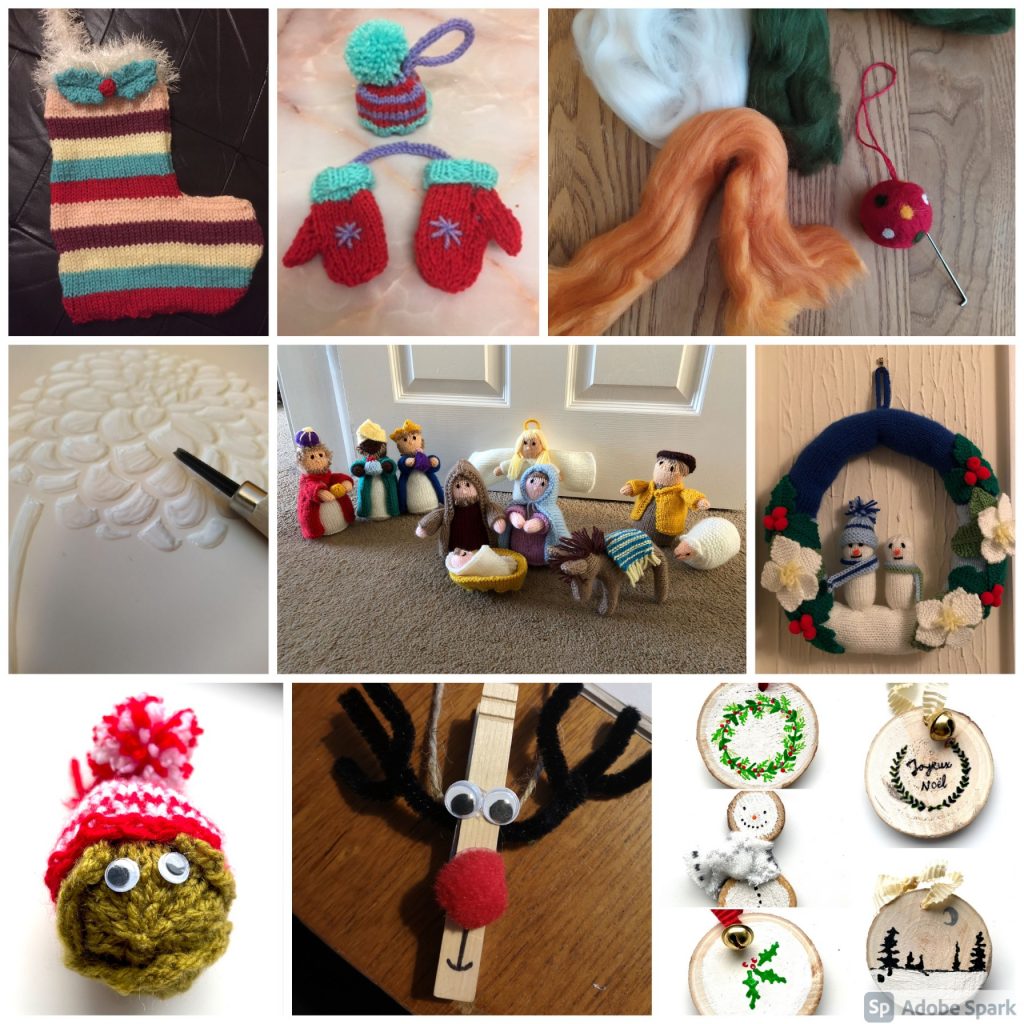
There are so many talented members of staff in our Library, so I wanted to share with you a mere tasting of the crafts that are being created this year:
Share the Joy
We would love to see your crafts, so why don’t you share a photo and tag us in Twitter, Instagram or Facebook, and use the hashtag #NULWinterCrafts2020.
I hope you have enjoyed our Winter Craft-along online blogs – Part 1 and Part 2 – and have found a pocket of time in your busy days to make something Wintery and Christmassy. I also hope it has inspired you to go out and discover other arts and crafts that you could make… because, remember, crafting is not just for Christmas 🙂