We like the variety of content on the platform from essays, presentations, videos, articles and chapters.
From a teaching point of view, academics will want to check out the teaching and learning resources, teaching guides and lesson plans.
The collection was brought together to help governments, NGOs and organisation respond to the UN call to action and we think it will be of benefit to both teaching and research at the University.
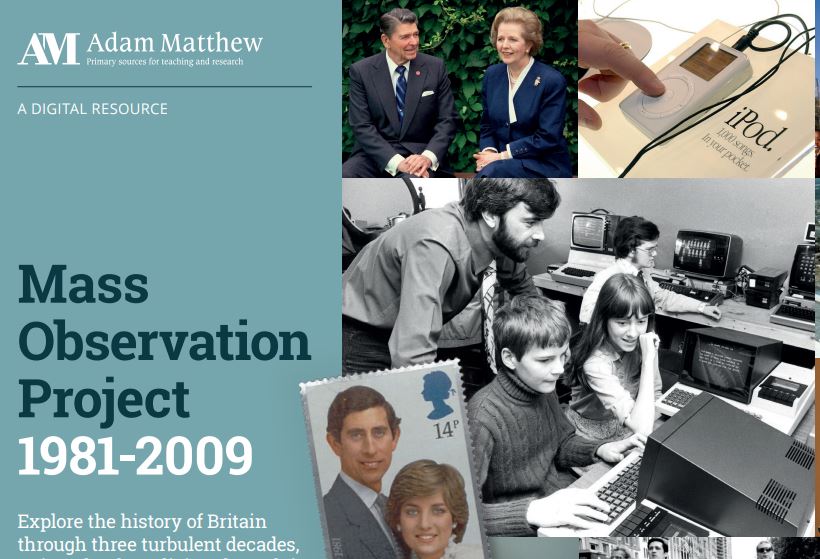
We’re delighted to announce that the Library has now bought the latest instalment of the Mass Observation Online collection, covering the 1980s and 1990s.
About Mass Observation
Mass Observation is a pioneering project which documents the social history of Britain by recruiting volunteers (‘observers’) to write about their lives, experiences and opinions. Still growing, it is one of the most important sources available for qualitative social data in the UK. This latest instalment is a great resource for anyone researching aspects of late twentieth century Britain. It complements our existing access to the original Mass Observation project archive, which covers 1937-1967.
1981-1999 collection
The 1980s and 1990s modules include hundreds of directive (survey) responses from observers on a wide range of issues, covering major political and social themes of the period from Thatcher to Blair, as well as everyday life. There are also photographs, leaflets, and other ephemeral materials, as well as contextual essays and timelines to help you interpret the collection.
Searching and browsing
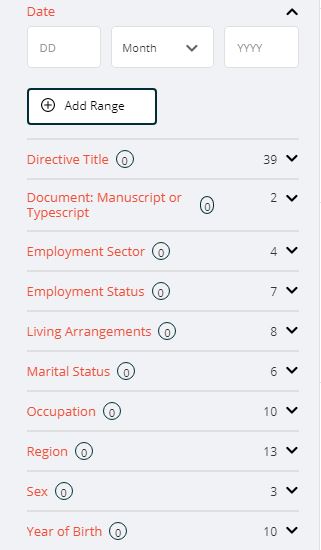
Filtering options
You can browse or search Mass Observation in various ways.
Browse by directive: browse the different directives (surveys), which are arranged chronologically and by topic.
Browse all documents: browse all the individual documents, and then further filter your search as required.
You can also use the Advanced search box at the top of the screen to search for specific topics.
Help
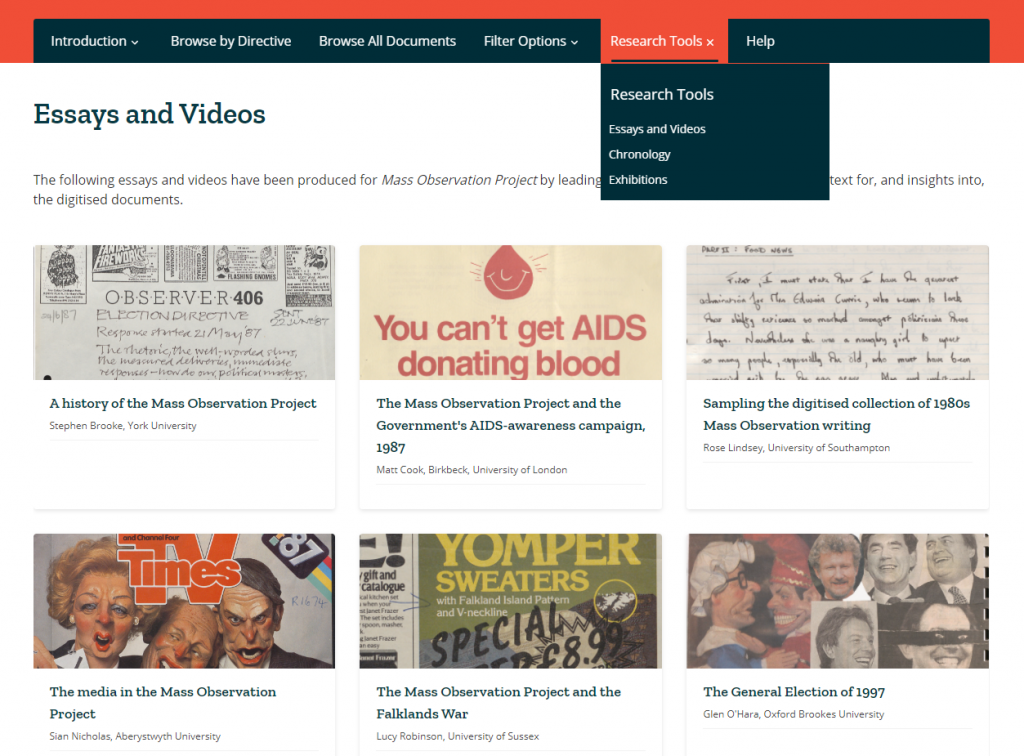
Research tools
We’d recommend you start by reading through the Introduction (top menu) which explains more about the project and the different document types. If you’re looking for ideas about how to make use of it, take a look at the Research Tools, which includes essays, videos, exhibitions and chronological timelines.
Note that as over half the materials in these collections are handwritten, the database enables Handwritten Text Recognition (HTR) to help you search. We would recommend you read about how HTR works, to help you get the best out of the database, in the Introduction section.
Our Recommend a Book service for students allows you to tell us about the books you need for your studies. If we don’t have the books you need, simply complete the web form and we’ll see if we can buy them. For books we already have in stock, if they are out on loan please make a reservation/hold request using Library Search.
We’re pleased to announce that the Library has bought the new Oxford World’s Classics e-book collection, following a well-received trial earlier this year.
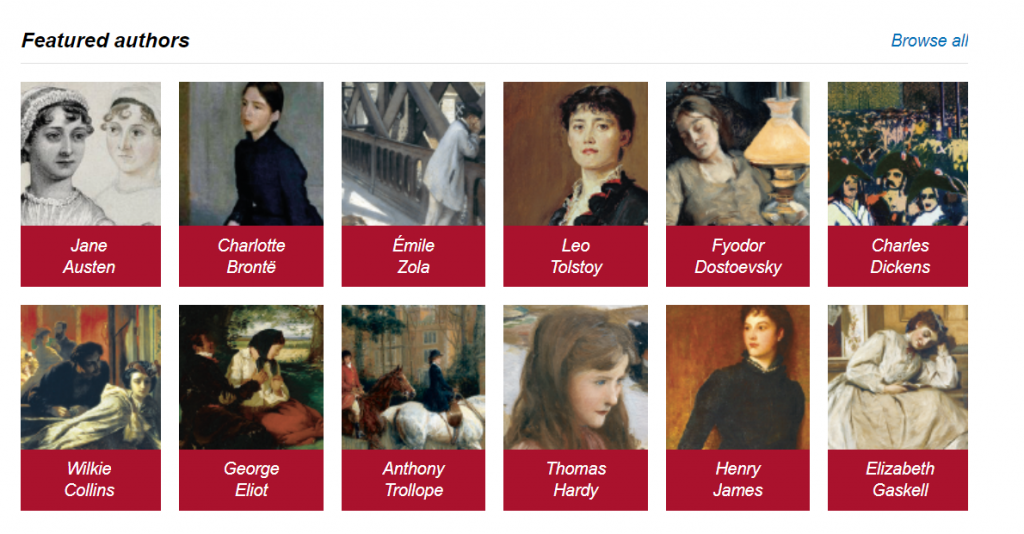
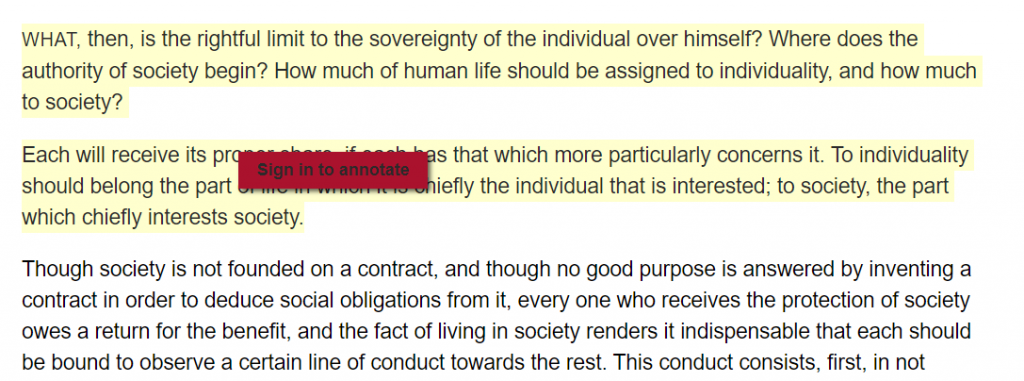
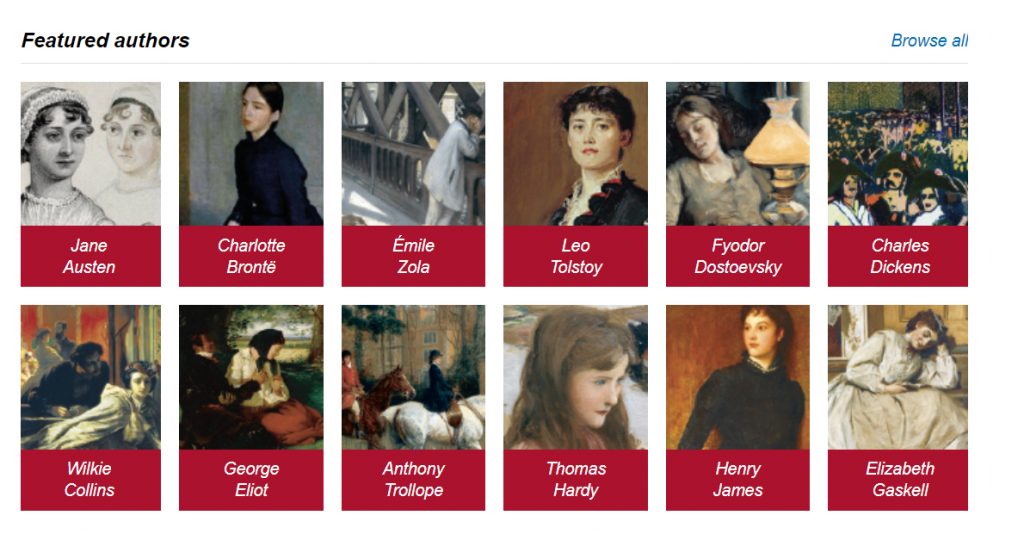
This provides access to 301 novels and other works from the 18th and 19th centuries from around the world, including novels by writers such as Jane Austen, Charles Dickens, Emile Zola and Fyodor Dostoevsky, as well as works such as Charles Darwin’s On The Origin of Species and John Stuart Mill’s On Liberty.
OWC authors
Each work is accompanied by extensive hyperlinked notes, introductions, bibliographies and commentaries. You can browse or search the entire collection in various ways (for example: by author, subject, keyword or time period). Every book in the collection is also individually catalogued on Library Search (here is an example).
When reading a book, you can highlight text and make and save annotations (you’ll need to create a Personal Profile first).
The Listener was a weekly magazine established by the BBC in 1929 under its director-general, Lord Reith. It was initially developed as the medium for reproducing broadcast talks on the radio, but in later years, television as well, and was the intellectual counterpart to the BBC listings magazine, Radio Times. It is one of the few records and means of accessing the content of many early broadcasts, and also regularly reviewed new books.
The Listener developed a reputation for outstanding writing, with contributions from the major writers, artists, commentators and thinkers of the twentieth century, including E.M. Forster, George Orwell and Virginia Woolf. It’s an invaluable resource for those researching the critical reception of culture in the twentieth century, and the response of the public.
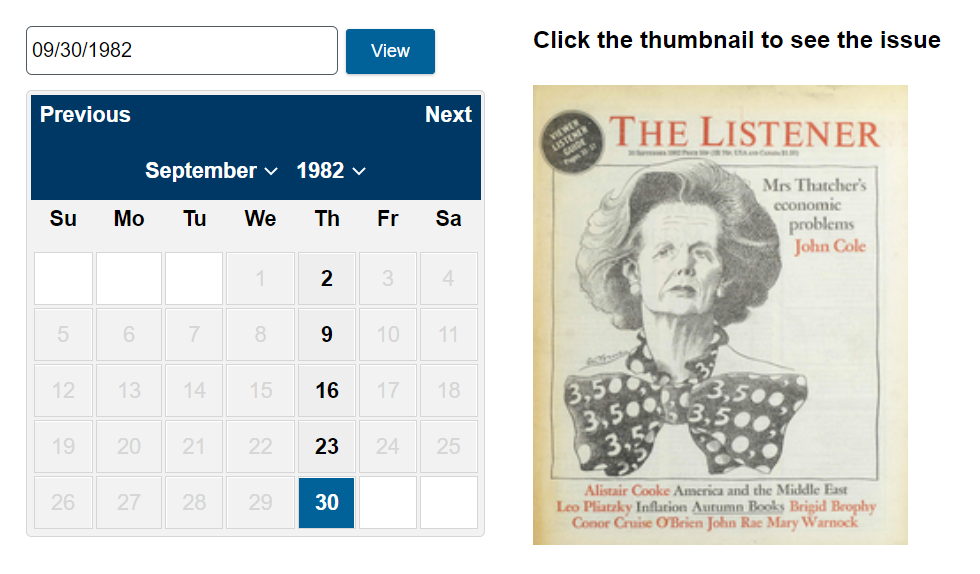
You can browse The Listener by date to find a specific issue, or search in various ways (choose Advanced Search to see all options, including searching by section of the magazine, author or date.)
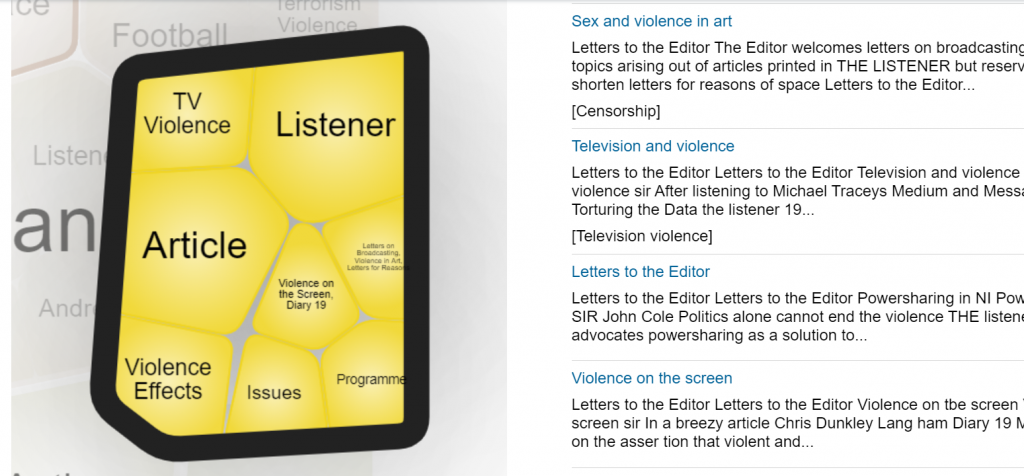
Additional search features on the home page include Term Frequency, to trace how often a word, phrase or person has featured in The Listener over the years, and Topic Finder, to explore and visualise connections between topics.
As the Listener archive is published by the company Gale, you can cross-search it with any of the other Gale archives to which we have access, via Gale Primary Sources.
The Library has access to the entire digitised archive of Punch from 1841-1992.
Punch was a famous satirical magazine which played a central role in the formation of British identity, and how the rest of the world saw Britain. This archive covers all volumes of Punch between 1841-1992, including special numbers, prefaces, epilogues, indexes, images and other specially produced material from the bound volumes. It’s an excellent resource for researching nineteenth and twentieth century political and social history, through provocative and entertaining satirical commentary.
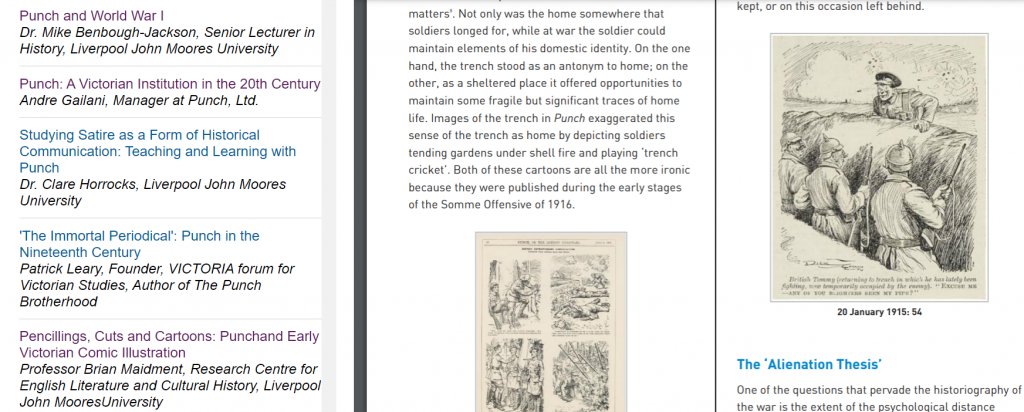
To find out more about Punch, click Research Tools to read a selection of essays about different periods of its history.
You can browse Punch by date to find a specific issue, or search in various ways (choose Advanced Search to see all options, including searching by section of the magazine, illustration type or date.)
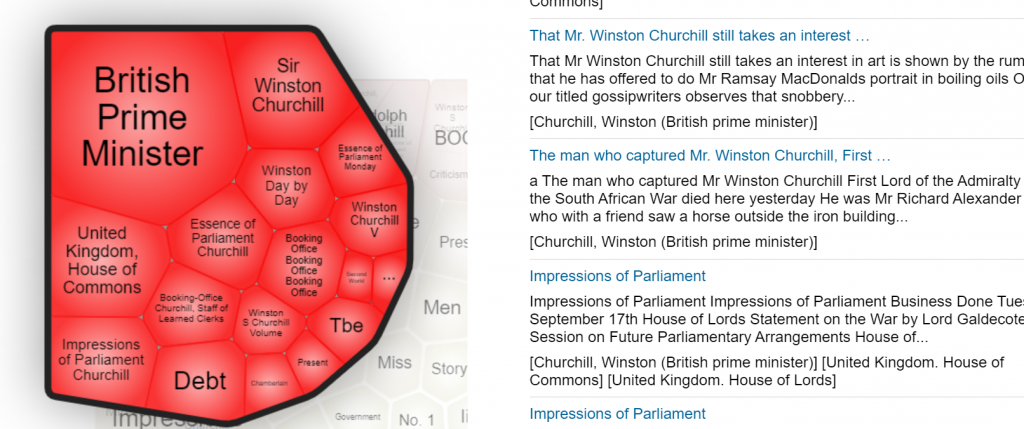
Additional search features on the home page include Term Frequency, to trace how often a word, phrase or person has featured in Punch over the years, and Topic Finder, to explore and visualise connections between topics.
As the Punch archive is published by the company Gale, you can cross-search it with any of the other Gale archives to which we have access, via Gale Primary Sources.
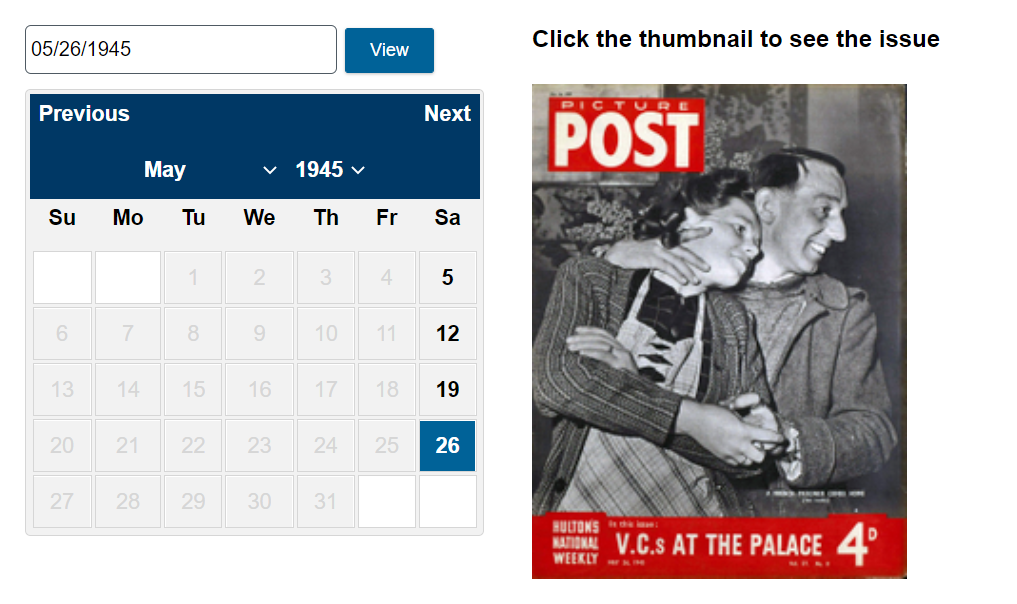
We have access to the complete digitised archive of Picture Postfrom 1938-1957. Picture Post was a British magazine (seen as the British equivalent of Life magazine) which was renowned for its use of photojournalism, in an era before television. It covered social and political issues, as well as providing a visual record of everyday life in Britain during and after World War Two.
You can browse the full colour archive by date to find a specific issue, or search in various ways (choose Advanced Search to see all options, including searching by section of the magazine, illustration type, or by date.)
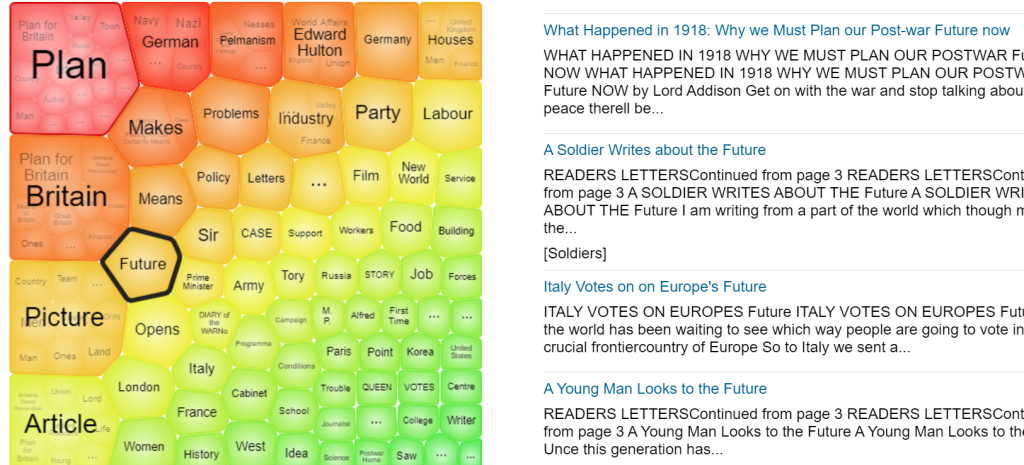
Additional search features on the home page include Term Frequency, to trace how often a word, phrase or person featured in Picture Post over the years, and Topic Finder, to explore and visualise connections between topics.
As the Picture Post archive is published by the company Gale, you can cross-search it with any of the other Gale archives to which we have access, via Gale Primary Sources.
Everyone has goals, be that for lifestyle, health, work or study. These goals give you focus, generate new habits and keep you moving forward in life. However, life is tough, particularly at the moment, so the thought of setting goals can sometimes feel overwhelming. This post will take you through how creating an action plan will help you clarify your goal journey; exploring what your goal is and why you’re setting it, what it will take to achieve, and how you will motivate yourself to reach your destination.
The examples we will focus on will be for study goals, however you can apply this method of goal setting to any aspect of your life.
1. Start with reflection
Before embarking on your shiny new goals, take some time to reflect on your previous goals. Which goals have you successfully achieved? Why were they a success? Is there anything you would do differently this time? Is there a common theme in the goals that you didn’t achieve, such as a lack of purpose?
Ask yourself ‘why’ you are setting this new goal, doing so will help you stay focused and give you meaning and purpose for this potentially challenging journey that you are embarking on.
2. Make them SMART
Your goals need to be SMART:
Specific – a specific and focused goal to allow for effective planning
Measurable – how will you measure the success of your goal?
Achievable – a goal that you will realistically accomplish within a time frame
Relevant – a goal that is important and benefits you
Time bound – a goal that has a realistic deadline
What is your goal and how can you make it SMART?
EXAMPLE: Your goal is to hand in your dissertation early this summer. This goal, as it is, may feel daunting and unachievable, so how can we make it SMART?
Specific – You want to hand in your dissertation two weeks early because you are going on holiday.
Measurable – You will set measurable targets daily/weekly, such as X amount of words written by X.
Achievable – You have 10 weeks to complete your goal, so you feel it is very attainable if you plan your time carefully (if you only had 2 weeks, you might want to reconsider your goal).
Relevant – This goal is very relevant as you need to do well in your dissertation so you can pass your degree, but you also need to complete it early so you can go on your booked holiday.
Time bound – You have a clear ideal deadline of two weeks before hand-in.
Use our Goal Setting Template to get you started on your SMART goal:
An action plan is a flexible checklist or document for the steps or tasks that you need to complete in order to successfully achieve the goal(s) you have set yourself.
This could be written in a notebook, diary or using the Action Plan Template we have created that you can print off and use. It’s important that you get out your pen and actually write your goals down on paper. Research has shown that this will engage the left-hand, logical, side of the brain – basically telling your brain that you mean business!
Use our Action Plan Template to put your SMART goal(s) into action:
There are always going to be challenges and events that may disrupt your goal, but instead of letting that obstacle derail you, plan for it.
Look at your study goal and identify what the obstacle(s) will be.
EXAMPLE: You want to submit your dissertation in early, but there’s a big family birthday coming up and a Uni field trip planned. So, get your action plan out and make sure these events are accounted for and plan your studies around them.
5. Check it off
There is nothing more satisfying in life (well apart from popping bubble wrap) than crossing or checking items off a to-do list – it’s that sense of accomplishment, feeling like you are finally getting there, which in turn reduces stress. So remember to break down your goal into small attainable actions and checklists, and for big projects, such as a dissertation or research project, you might have multiple checklists on the go. Just think of the satisfaction you will feel when it’s all done!
6. Reward yourself
This a very personal aspect of goal setting, but an important one.
To boost your motivation we recommend that you choose a reward for all your successful hard work, but select something that’s in relation to the size of the goal – maybe a piece of cake for getting a First Class degree is a bit out of proportion! Add this reward to your action plan and remind yourself of your incentive on a regular basis. It will keep you motivated when you feel like giving up.
EXAMPLE: If you hand-in your dissertation early you will treat yourself to a night out with your friends before you go on holiday.
7. A bit more reflection
You made this goal for a reason – it’s something that you really, REALLY want to achieve, so if your plan isn’t working, change it! Take some time to reflect on what’s working or not working in your action plan, be that daily, weekly, or monthly. Consider – How are you progressing? What changes can you make to bring you closer to your goals? It hard to keep on track when you feel like you aren’t getting anywhere, so are there any quick wins to give you a sense of accomplishment?
EXAMPLE: It’s late at night, you’re tired and struggling to write your dissertation conclusion. Your self-given deadline is in a days time and you are starting to doubt that your goal is achievable – maybe you need to postpone the holiday?
What you need to do is pivot your method – this isn’t working, so what can you change to still achieve your goal? Maybe leave the conclusion for the morning when you feel more awake, but spend the next hour focusing on your reference list so you can tick that off your action plan instead.
Final thoughts
Your SMART goals can be about anything and should be quite simple to plan. There’s lots of help online on using SMART goals, but working your way through the acronym for your particular goal is an excellent start. Don’t forget to use our Goal Setting Template and our Action Plan Template to help keep your goals manageable and reduce that feeling of overwhelm with your studies.
The Library has access to thousands of contemporary books online, but did you know we also have online access to almost every work published in the English language from the invention of printing in the fifteenth century to the start of the nineteenth century?
Read on to find out about five of our major historic book collections online, and how to get the best out of them.
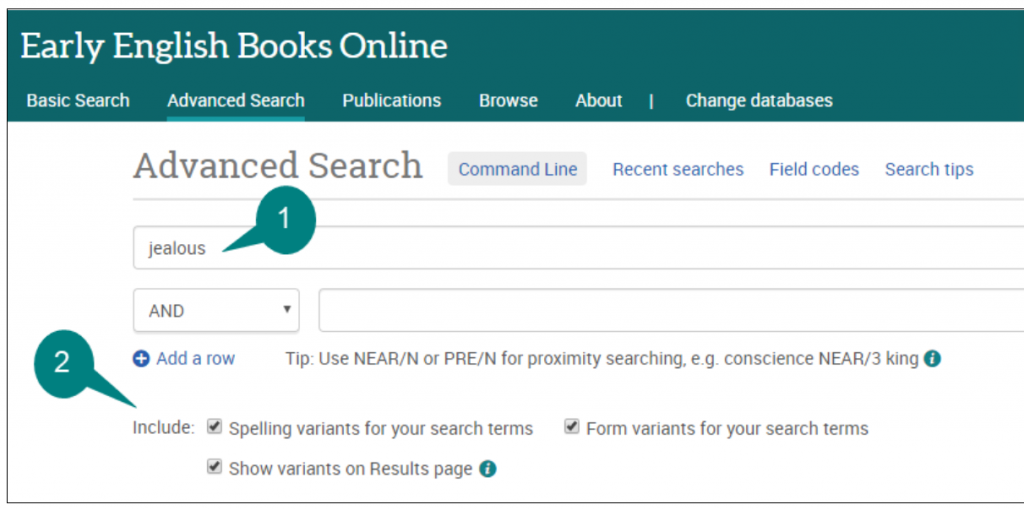
EEBOgives access to the full text of almost every book published in the British Isles and British North America between 1470-1700. It contains over 146,000 titles, including literary works, royal and parliamentary documents, ballads, tracts, and sermons, giving a unique insight into the cultural and political life of that period. You can read works by major figures such as Shakespeare, Newton and Galileo, as well as many lesser-known works. EEBOdisplays digital facsimile images of every page of content, and full text transcription is available for many of the texts.
You can search, browse and export from EEBO in various ways, and all the individual works are individually catalogued on Library Search as well. If you are likely to be making frequent use of EEBO, we’d strongly recommend you spend some time exploring this EEBO guide, as it gives tips on key aspects such as searching for spelling variants.
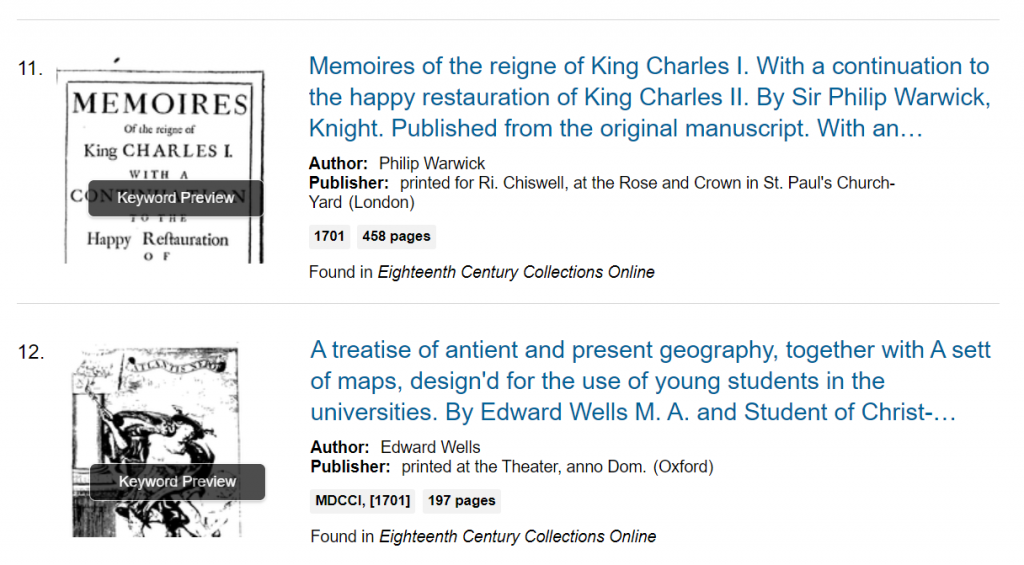
ECCOgives access to the full text of every book printed in the United Kingdom, and territories under British colonial rule, in the eighteenth century. It contains over 180,000 titles, including literary works, royal and government proclamations, schoolbooks and petitions.
As with ECCO, digital facsimile images of every page are provided, and optical character recognition enables full text searching. All items are individually catalogued on Library Search, but we’d recommend searching directly from the ECCO interface to benefit from advanced search options, and special features such as term frequency and topic finder. As ECCO is part of the Gale Primary Sources platform, you can cross-search it along with other Gale resources, such as historic newspapers.
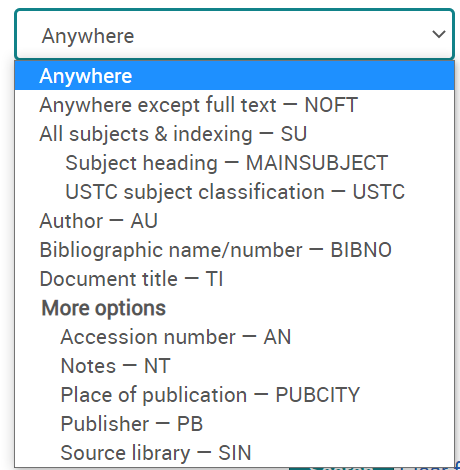
The Early European Books collection complements EEBO, and aims to encompass European printed material from circa 1450-1700.
Content comes from major European libraries, and is being added to regularly (we currently have access to over 25,000 titles). Facsimile images scanned directly from the original printed sources are provided, and detailed catalogue records help you search (we recommend choosing Advanced Search to see the full range of options).
These books aren’t individually catalogued on Library Search, so you’ll need to search directly from the Early European Books interface.
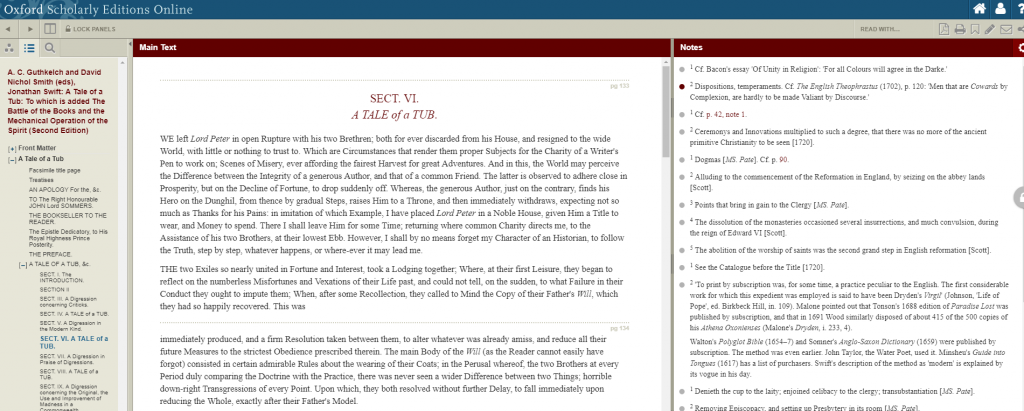
OSEO enables you to explore old works in new ways. It brings together authoritative editions of major works, so you can explore variations between editions, annotations and extensive notes side-by-side with the texts, or you can just read the texts on their own.
We have access to 272 Oxford editions, containing 344 works, including poetry, prose, drama, essays and correspondence, in the following categories: Romantics Prose; Romantics Poetry; 18th Century Drama; 18th Century Prose.
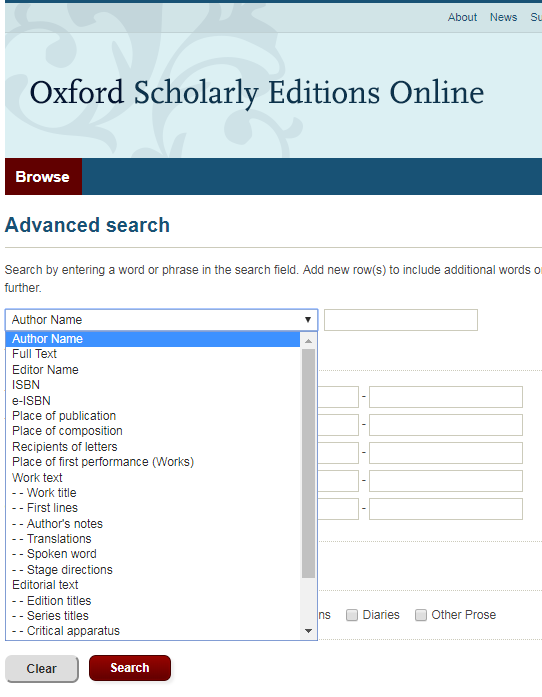
You can browse by work, edition or author, or search in highly specific ways (e.g. just search within notes or stage directions) to pinpoint exactly what you want.
The editions are individually catalogued on Library Search, but we’d recommend searching for works and editions via the OSEO interface itself. If you haven’t used OSEO before, we’d strongly recommend watching this introductory video, so you can understand its potential and how to get the best out of it.
5. Oxford World’s Classics
Stop press! We’ve just bought access to this new online collection of over 300 works from the 18th and 19th centuries. Read our separate blog post to find out all about it.
I actually enjoy a good conspiracy theory, and they often make for great film or TV tropes. Do you remember the end clip of Indiana Jones and the Raiders of the Lost Ark where the American government are storing the Ark of the Covenant in a huge warehouse? Do you think this is true? Might governments be hiding top secret things from us in massive, unknown warehouses? I like to jest that I believe this is real.
However, it wasn’t until recently that I realised how dangerous really believing in conspiracy theories can be. Watching the storming of Capital Hill in Washington DC back in January this year, opened my eyes to how conspiracy theories could take hold and potentially endanger lives.
Like fake news, conspiracy theories have been around for a very, very, very long time. Here’s some that you might recognise:
Most recently, you may have spotted some of the dangerous conspiracy theories rising up around the Covid-19 pandemic.
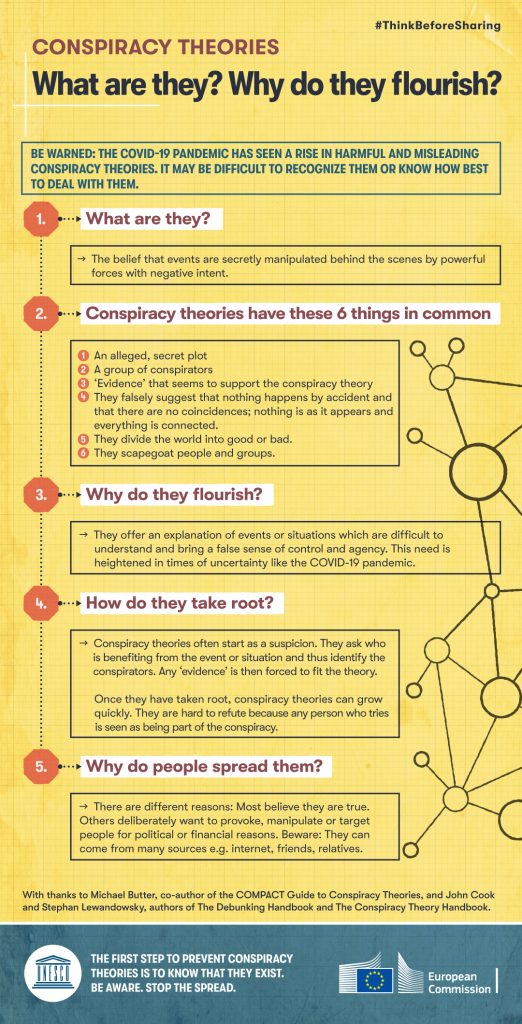
Do you believe in conspiracy theories? Do you know anyone that really believes in them? Have you ever found it hard to talk to them about what they believe? In light of the conspiracy theories surrounding Covid-19, The European Commission have created 10 useful infographics to help people be aware of conspiracy theories, how they spread, the dangers of them, how to talk to people who do believe in them, and (like fake news), how you should think twice before sharing them online:
I found it particularly interesting to learn that it is basic human nature to question reality in periods of uncertainty/change/major incidents (such as the pandemic, 9/11, shootings of presidents etc.), hence this is often when conspiracy theories take off.
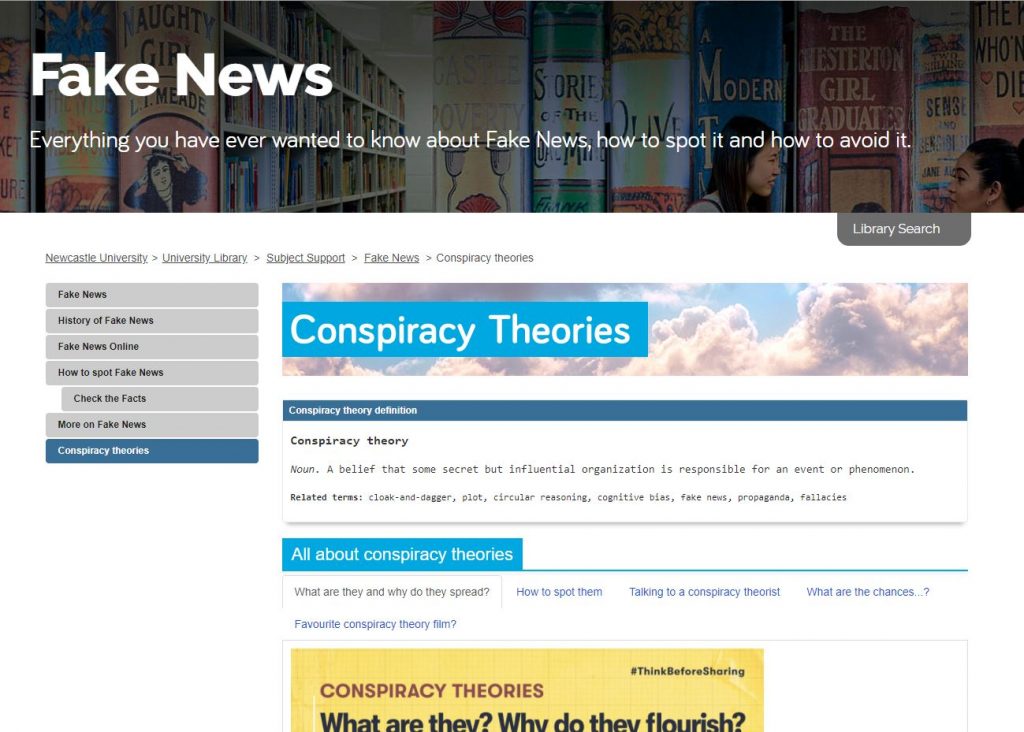
You’ll find these infographics on our Fake New Guide , along with other new content including links to some excellent videos and articles. Be sure to take our poll to share your favourite conspiracy theory movie too!
As a University student, it’s important for you to be aware of conspiracy theories; to know of the dangers they pose, to check your own beliefs and to be careful of what you share online. Use these resources to learn more and always remember, the truth is out there…