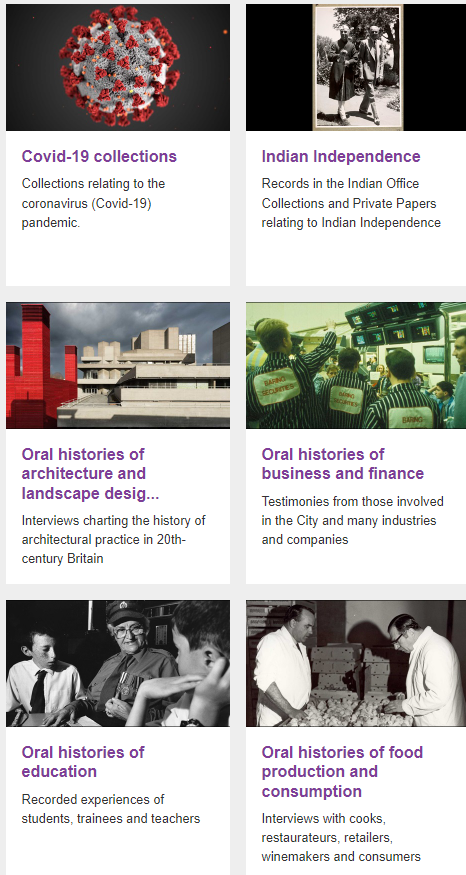
Where can I find pictures relating to transport which I can use in my project? How do I find out what was broadcast on British television and radio on a particular day in the 1970s? Where are the best places to find examples of digital art? I need audio clips of scary sounds for my presentation – where to start? Are there any interesting oral histories in my subject area? How do I reference a podcast? I’ve found an ideal picture online, but I don’t know where it’s from – what can I do? Is there an authoritative list of famous music plagiarism cases anywhere, including audio clips?
We’ve updated and expanded our old images guide, and included new databases and resources for finding films and television programmes, plus audio content such as radio programmes, sound clips, podcasts and oral histories.
We’ve also updated the original still images section, which helps you find images of all genres and subjects, such as anatomy, archaeology, architecture…. and all other letters of the alphabet!
Need more help?
Keyword searching isn’t always the best way to search for audiovisual content, so if you want to find an image which looks like another one, search by colour, or find exactly what you want on Box of Broadcasts, visit our guide.
Finally, if you’re unsure whether you’re permitted to use an audiovisual resource in your assignment, and/or how to cite it, we can help with that too. Our guide contains plenty of helpful advice on using and citing audiovisual materials, and we’ve tried to include links to collections and databases which are licensed for educational use where possible (but please do check the terms and conditions in each case).
If you’re working on a dissertation, thesis or project right now, or will be doing so next academic year, what can you do if the Library doesn’t have access to all the specialist books and other information resources you need? How can you find out about resources relating to your research topic which are held elsewhere? Can you visit other libraries and archives if you’re away from Newcastle over the vacation?
Read on to find out how you can expand your search beyond our library….
1. Search
You can search across the catalogues of over 170 UK and Irish academic and national libraries, together with other specialist and research libraries, via Library Hub Discover (formerly COPAC). The range of libraries included in Library Hub Discover is expanding all the time, and includes all UK universities, as well as the libraries of such diverse organisations as Durham Cathedral, the Institution of Civil Engineers, the Victoria and Albert Museum, and the Royal Horticultural Society.
In response to Covid restrictions, Library Hub Discover has also made it easier for you to find Open Access resources via its catalogue: it has recently incorporated the HathiTrust Digital Library, as well as the Directories of Open Access Books and Journals to its searchable database.
For a more in-depth and up-to-date search, you can also search individual academic library catalogues online. Need to look further afield? Search library catalogues internationally via WorldCat.
If we haven’t got the book you want, you can ask us to consider buying or borrowing it via our Recommend a book service.
If you need a copy of a journal article to which we don’t have access, you can apply for it via our inter library loan service, which is currently free.
You can search UK doctoral theses via the national EThOS service. This has records for over 500,000 theses, dating back to the year 1800, of which over half are freely available online (do note you have to register with EThOS before being able to download: it’s a separate login process to your usual University login).
3. Visit
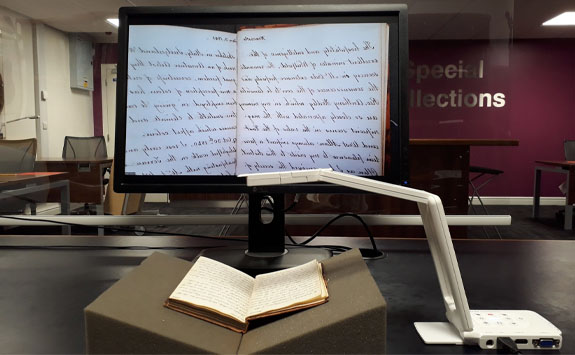
Special Collections Virtual Reading Room
The SCONUL Access Scheme enables students to visit most other academic libraries around the country, and in some cases, borrow from them. This service has recently resumed since its suspension during the Covid pandemic, but please note that not all academic libraries are currently participating in the scheme, so do check carefully before you visit, and read the latest information on the SCONUL Access site.
You will need to register with SCONUL Access before you can visit another Library, so do allow time for your registration to be processed.
If you want to consult archives or special collections elsewhere, you’ll need to check with the organisation in question beforehand (you’ll usually need to request to consult items in advance of your visit). If you can’t visit in person, archives services may still be able to answer queries, provide access to selected digitised items, or even operate a Virtual Reading Room, so it may well be worth enquiring.
Have you met BoB? Box of Broadcasts is a fantastic resource for all subject areas: an archive of over two million radio and television broadcasts from over 75 free-to-air channels, including all BBC channels, ITV and Channel 4, plus some international channels. New programmes are added to BoB as they are broadcast each day.
We know it’s a very popular resource, but are you getting the best out of it? Here are some quick tips for newbies and experienced users alike!
Smarter searching
BoB is a huge database, so searching by keyword may retrieve a lot of irrelevant results, especially as the default search looks for your keyword in all programme transcripts (i.e. every word spoken in a programme). Click on the Search options link just under the search bar to see various ways of making your search more precise, including searching in the programme titles only, or limiting by date. This help video gives more detail:
Playlists and clips
You can create your own playlists: really helpful if you’re researching for an assignment, or preparing to teach a module. You can also search public playlists curated by other BoB users around the UK: just select Public playlists underneath the search bar, or explore this showcase of playlists for more inspiration.
If you’re away from Newcastle over the Winter break you may be studying in unfamiliar or unusual spaces, which can make it more challenging to concentrate or find your motivation. Procrastination may be a struggle and creating a space, both physical and online, in which to be your most productive is something that many of us find challenging. It may not always be possible, but creating a managed space to study in will help. So what are our tips for creating the perfect study space at home?
1. Select your space
If possible, designate a space as your study environment. It may be your room in a shared house, the kitchen table, office, dining room or a spot in the hallway. Wherever you choose, claim it and make it yours in order to reduce distractions from those you live with and to create a studying mindset.
It can be invaluable to have a ‘work space’ which is separate from the rest of your life and spaces in which you relax. Even if this is simply a cheap desk in your bedroom, having a ‘study spot’ which is dedicated to your academic work will help you create structure and routine, and feel in the studying zone. It also makes for less embarrassment when you turn your camera on in Zoom or Teams.
2. Make it comfortable
While it may be tempting to study from your bed (which we’ve all done!), sitting upright will help you stay alert. Not to mention the benefits for your shoulders, back and neck. Start with a desk or table if you can, as it will allow you to make an organised space and leave your hands free to take notes.
It’s also worth thinking about how you can make the space more comfortable by opening a window for fresh air every so often, and the level of natural light you can introduce. Perhaps think about studying earlier in the day so that the natural brightness helps you stay alert and boosts your mood.
3. Tidy space, tidy mind
A cluttered study space can make it more difficult to focus and introduce unwanted distractions. By filing away your notes and de-cluttering your space at the end of a day, you will be able to start the next day fresh and find the learning materials you need.
This goes for your online spaces too. Think about how and where you keep your assignments, notes and any materials you download from Canvas, to ensure you are able to access the materials as you prepare assignments or revise for exams. Set up folders in One Drive that relate to each module or project you are working on and be sure to keep track of any collaborative work, such as projects in Teams. Managing the information you collect as you study and keeping it organised in some way is an essential study skill. Visit the Managing Information Guide for more tips.
4. Gather some stationery
It’s a simple tip, but keep a pen and paper nearby so that you can make quick notes. This might be jotting down an idea or something to remind yourself about at a later date. Many of you will take your notes digitally and may have a tablet you use within your programme, but having a notebook and pen to hand is a valuable backup. If you prefer handwritten notes, make sure you have a good organisational system so that you are able to retrieve the information you need.
You’ll find lots of useful tips around notetaking on the ASK website.
5. Listen to some music
Some of you may find studying in silence works best for you, while others may need a little background noise to block out distractions. Select a soundtrack for your study that helps you concentrate, with a mixture of mood boosting tracks and songs that are a little more mellow and calming. You’ll find lots of readymade study playlists on streaming services, or you could start with our Library Spotify playlists.
6. Switch off your devices
Many of us will recognise our mobile phone as a significant source of distraction and cause of many unproductive minutes. Switch off your mobile phone, log out of social media accounts on your study device and turn off the TV. This will help you create designated study time as well as space. It will also be a step towards introducing breaks in your study routine.
7. Take breaks
Taking regular breaks and walking away from your study space will help you return feeling refreshed. Why not download the iNCLude App? It has been designed to help you take small steps to improve and maintain your wellbeing, by creating positive habits and helping you focus on more than just your academic studies.
One valuable bonus tip from the WDC about taking breaks:
When you break, take a moment to leave a ‘note to future self’ about where you got to or what you were intending to do next.
8. Be organised
Learning remotely is challenging when you have to manage your own time and motivation. Being organised and creating your own plan or timetable can help.
When you begin your study session make sure you have everything you need to hand so that you don’t interrupt your flow. You might want to leave your laptop charger nearby!
I actually enjoy a good conspiracy theory, and they often make for great film or TV tropes. Do you remember the end clip of Indiana Jones and the Raiders of the Lost Ark where the American government are storing the Ark of the Covenant in a huge warehouse? Do you think this is true? Might governments be hiding top secret things from us in massive, unknown warehouses? I like to jest that I believe this is real.
However, it wasn’t until recently that I realised how dangerous really believing in conspiracy theories can be. Watching the storming of Capital Hill in Washington DC back in January this year, opened my eyes to how conspiracy theories could take hold and potentially endanger lives.
Like fake news, conspiracy theories have been around for a very, very, very long time. Here’s some that you might recognise:
Most recently, you may have spotted some of the dangerous conspiracy theories rising up around the Covid-19 pandemic.
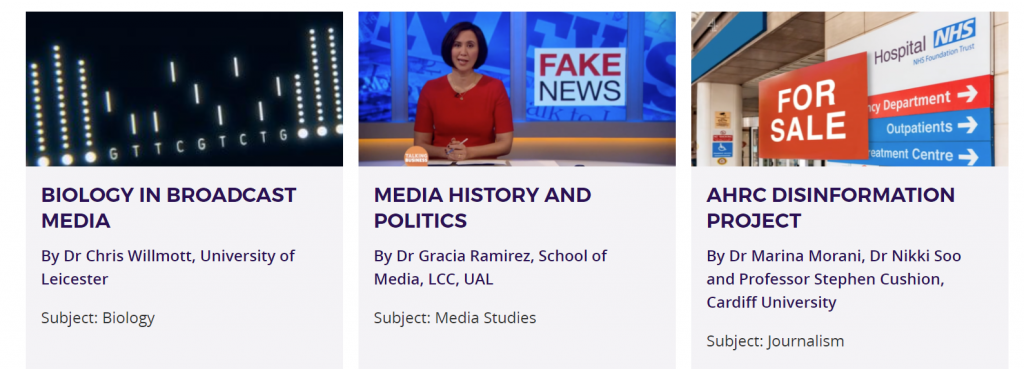
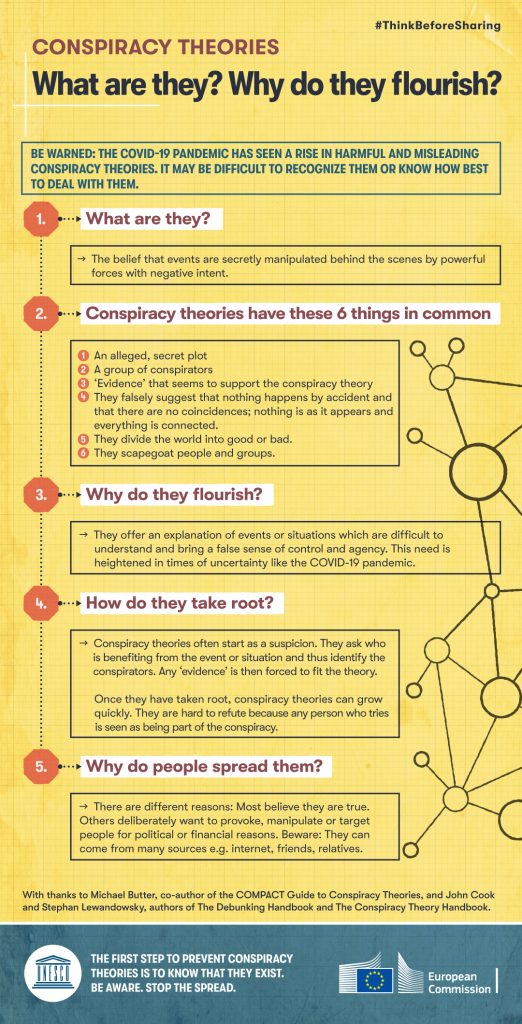
Do you believe in conspiracy theories? Do you know anyone that really believes in them? Have you ever found it hard to talk to them about what they believe? In light of the conspiracy theories surrounding Covid-19, The European Commission have created 10 useful infographics to help people be aware of conspiracy theories, how they spread, the dangers of them, how to talk to people who do believe in them, and (like fake news), how you should think twice before sharing them online:
I found it particularly interesting to learn that it is basic human nature to question reality in periods of uncertainty/change/major incidents (such as the pandemic, 9/11, shootings of presidents etc.), hence this is often when conspiracy theories take off.
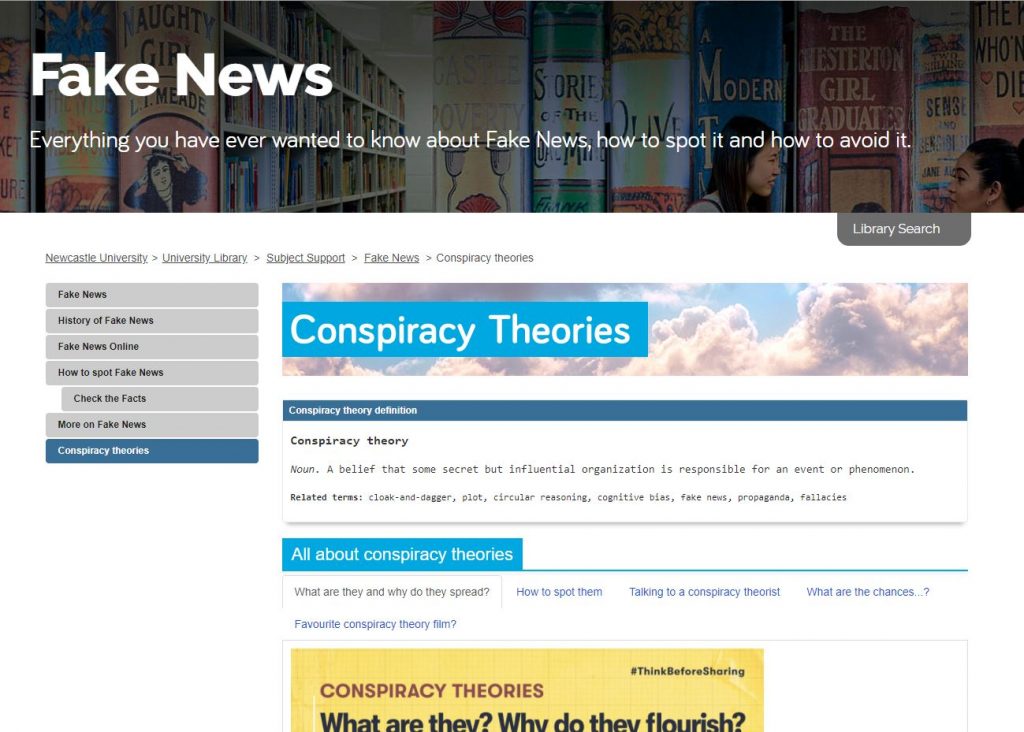
You’ll find these infographics on our Fake New Guide , along with other new content including links to some excellent videos and articles. Be sure to take our poll to share your favourite conspiracy theory movie too!
As a University student, it’s important for you to be aware of conspiracy theories; to know of the dangers they pose, to check your own beliefs and to be careful of what you share online. Use these resources to learn more and always remember, the truth is out there…
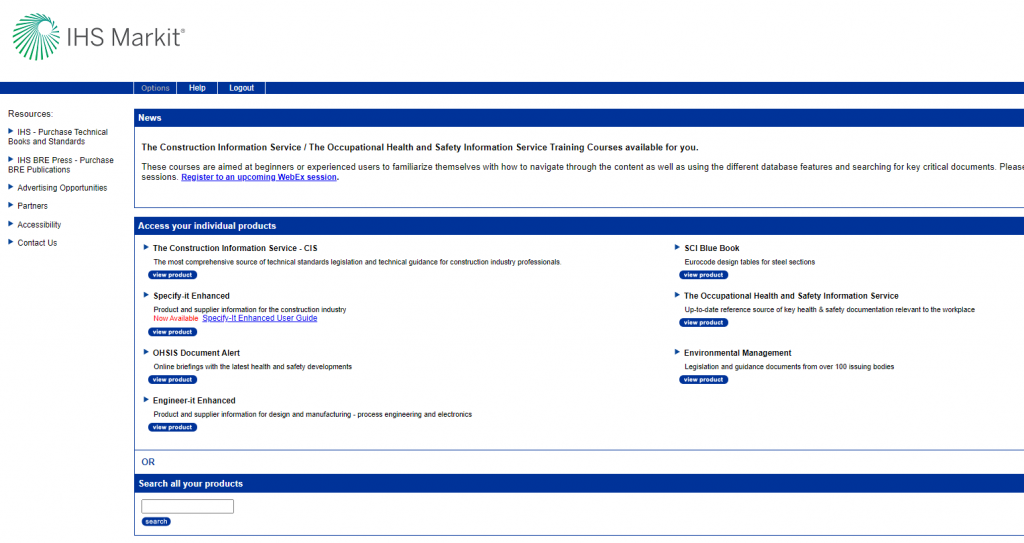
I bet you didn’t know that we have a whole range of databases that we subscribe to from IHS. These databases give a range of information that would be useful for students studying a range of subjects, particularly Architecture, Geography and Engineering.
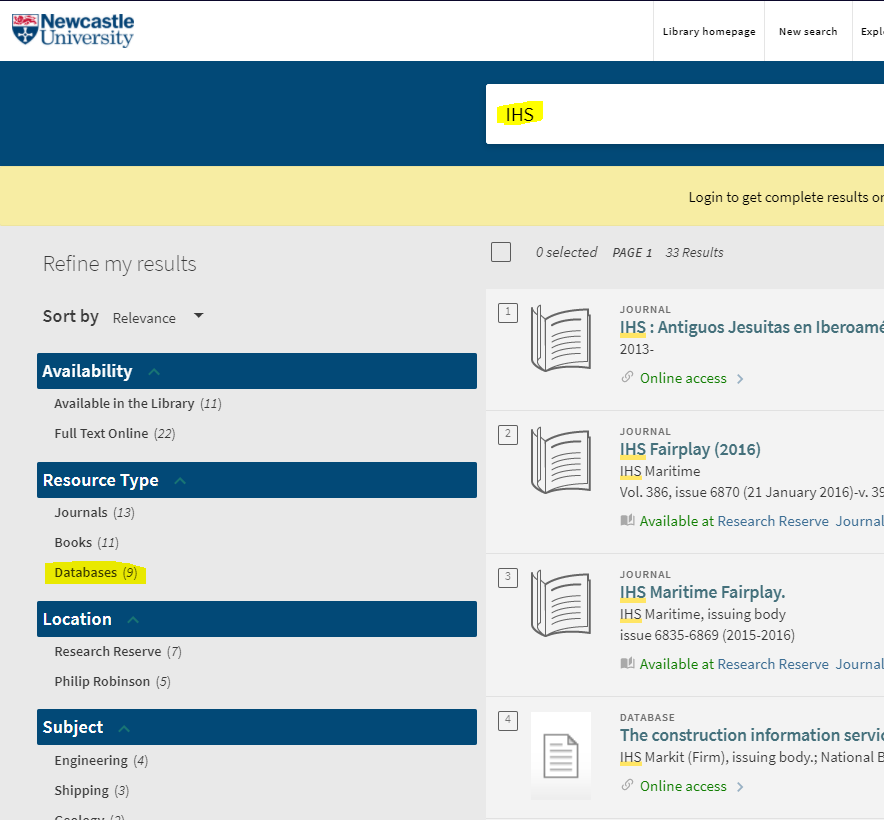
The easiest way is via Library Search – either search for one of these databases by name or search for ‘IHS’ and refine by databases. Once you click on one of the databases, you can then access all of the others from the IHS Markit dashboard:
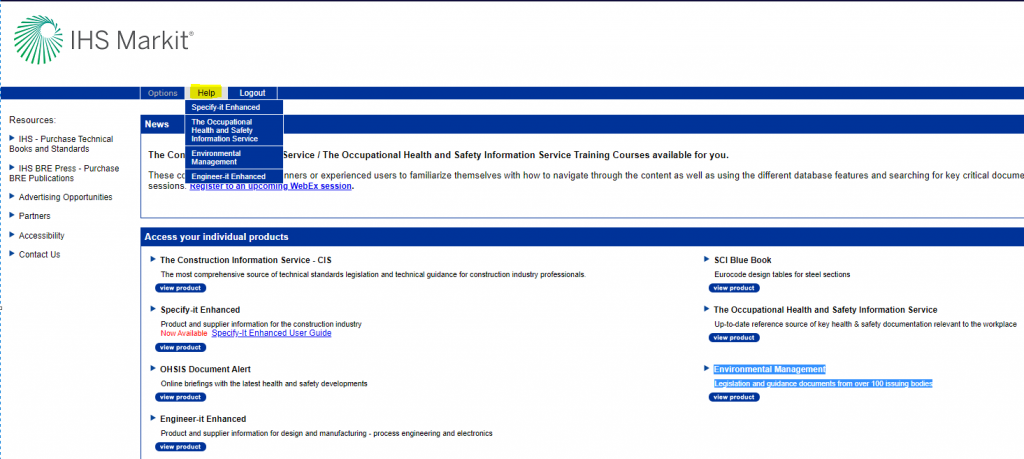
Help
For help on how to use some of these databases, when in IHS Markit, look at the Help tab at the top of the dashboard:
If you have any other questions about IHS Markit, please contact the Library Liaison team via Library Help.
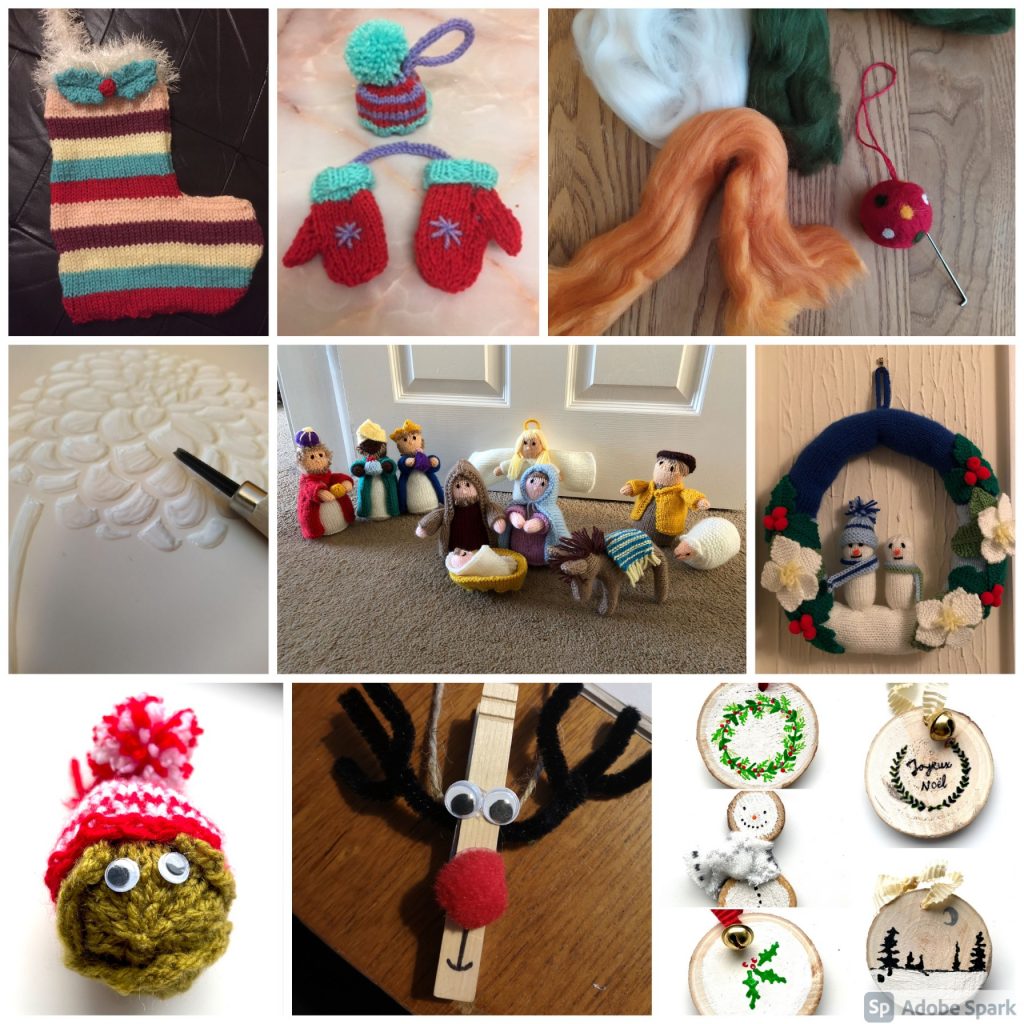
Our final Winter craft blog sees us making pom-poms with a fork and how to make tree ornaments with twigs. We are also showcasing some wonderful crafts that our Library team have been working on recently.
Fork pom poms
This is all new to me… pom poms… using a fork!? What crafting wizardry is this? This video clearly shows you how you can make super quick pom poms, and all you need is wool, a fork and scissors. Like magic!
So what can you make with your pom poms? Well, whatever you like really.
How about use white wool and make two pom poms, tie together and make a snowman? Use brown wool and make into reindeers or multicoloured wool and make pom pom garlands for your tree. Have a look on Pinterest for more inspiration.
Twig stars
Time to go out and get some fresh air for this one. All you need is small twigs, strong tape or glue (hot glue gun is perfect, but only if you have one), and twine/string. These stars can be used as decorations or, as seen in the video, as parcel toppers. Gorgeous!
Crafty librarians
There are so many talented members of staff in our Library, so I wanted to share with you a mere tasting of the crafts that are being created this year:
Share the Joy
We would love to see your crafts, so why don’t you share a photo and tag us in Twitter, Instagram or Facebook, and use the hashtag #NULWinterCrafts2020.
I hope you have enjoyed our Winter Craft-along online blogs – Part 1 and Part 2 – and have found a pocket of time in your busy days to make something Wintery and Christmassy. I also hope it has inspired you to go out and discover other arts and crafts that you could make… because, remember, crafting is not just for Christmas 🙂
As promised, here is our next instalment of Winter crafts – so glue guns at the ready for some more crafting antics.
As in our previous blog, we are embracing all things sustainable, and challenging you to make your crafts using materials found around the house. This time you will need an old jam jar, a pair of socks and some fruit!
Glass jar lanterns
For this one you will need an old, clean glass jar and some cheap PVA glue (the video says to use Mod Podge, but cheap PVA glue works just as good), tissue paper to decorate your jar and a tea light (real or battery operated). The video shows Christmas trees and snowflakes, but let your imagination run crazy – you could do a snowman, father Christmas, a snowy scene or a nativity. Really easy, but looks so effective, and who doesn’t love tea light lanterns when the nights are dark and cold.
No-sew snowmen
This is where your old (clean!) sock can be turned into a jolly snowman. For this you will need one white sock, some elastic bands or Loom bands, uncooked rice, 4-5 buttons (I bet you have some random buttons kicking about the house?), PVA glue, a bit of scrap ribbon or some wool for his scarf and then some more wool if you would like to make him a pom-pom for his hat. I am definitely going to have a go at making this – so easy, but looks so good.
Dried fruit garlands
I’ve been meaning to have a go at making these for ages, not only do they look good, but I bet it makes your house smell amazing! For this one you will need some citrus fruit – this can be oranges, limes, lemons, or even grapefruit – maybe you have some sitting in your fruit bowl that have seen better days and could be given a new lease of life? You can also use cloves and press them into the slices before you pop them in the oven, to make them smell so good. In the video is says the temperature in Fahrenheit – all of the blog and instructions I have read it just says to set your oven at the lowest temperature available on your oven. Cook low and slow and make sure you turn them over half-way through. You will also need string or twine to string them up. I have seen them on Christmas wreaths and as Christmas tree decoration – have a play and see what you can make with them.
Share the Joy
We would love to see your crafts, so why don’t you share a photo and tag us in Twitter, Instagram or Facebook, and use the hashtag #NULWinterCrafts2020.
Look out for our final blog with a couple more crafts for you to try and inspiration from our Library staff.
For a few years now the Library has hosted Crafts at Christmas – a wonderful event that brings together staff and students into our Libraries for a time to unwind and focus our creative energies on some Winter crafts. Sadly this year we are unable to host our usual event, so instead we have created a series a blogs highlighting some excellent, but very simple, crafts that you can do in the comfort of you own home.
Our sustainability challenge
This time of year can be not only expensive but full of waste. So our challenge to you is to make these Winter crafts from as many materials that you have lying around the house as possible, such as old wrapping paper, last year’s Christmas cards, or old balls of wool lying around etc.. You’ll be amazed what beautiful crafts you can make out of the stuff you normally recycle or throw away.
3D paper snowflake
Last year I made these stunning 3D paper snowflakes out of the paper packing you get in your Amazon delivery! We make these snowflakes every year in our Crafts at Christmas events – they look really complicated, but are really easy. Why don’t you give them a go. All you need is paper, scissors, a stapler and sticky-tape…
Origami paper box
Another really simple paper craft, but instead of buying origami paper why don’t you make them out of old wrapping paper or even old, thin Christmas cards. These wee boxes are great for holding sweet treats for a loved one.
Recycled paperback folded Christmas tree
This is another super easy and very effective paper craft that you can do using an old book or magazine or catalogue. You don’t need any other materials other than the pages of the book, but you can decorate the tree afterwards if you like (I made origami lucky stars for the top of my tree):
Paper ball decorations
These are so pretty and all you need is string, glue and paper – we suggest using magazines and leaflets that you have had through the front door. Takeaway menus are great for it!
Share the Joy
We would love to see your crafts, so why don’t you share a photo and tag us in Twitter, Instagram or Facebook, and use the hashtag #NULWinterCrafts2020.
Look out for Part 2 and Part 3 with even more crafts for you to try.
You’ve ran your information search and looked at your
results with a critical eye only to find that they’re not quite working for you
– what can you do now?
In this blog we’ll be looking at the top three problems encountered
when searching for information and how to improve your search to get the
results you need:
Finding too much
If your search has brought back thousands of results and you’re getting overwhelmed with the options:
Search a more specialised resource
Using a subject-specific database will help narrow the focus of your search to your particular areas of interest. Take a look at your Subject Guide to find databases and eBook collections tailored to your subject area.
Apply limits
Make use of the ‘refine’ options usually found on the left-hand side of Library Search or your subject database. Limit your results by date, subject area or information type. Remember, you may need to justify your limits to your supervisor so think carefully about your choices.
Combine search terms with ‘AND’
AND is a Boolean operator, a term you can use to have more control over your search. If you want to find information that must contain two different keywords (or phrases), place a capitalised AND operator between them. Your search engine or subject database will only find information that features both, narrowing your results. The more search terms you combine with AND, the narrower your search will be.
Finding too little
If your search has brought back a handful of useful articles but you need a wider range of results:
Combine terms with ‘OR’
OR is another Boolean operator that helps you to control your search more effectively. Use OR with your search terms that have synonyms or related terms. Your search engine or subject database will find information that features either word or phrase, significantly broadening your results.
Try controlled vocabulary
If you’re not getting enough results, it may be that your search terms or keywords aren’t quite working for you. Controlled vocabulary are a standardised list of words and phrases used on some databases to ensure that searches retrieve all relevant results, even when authors use different terms. Examples of databases that use this technique include ERIC, PsycInfo, CAB abstracts, Compendex and Medline. If these apply to you and your discipline, you’ll find out how to use them on your Subject Guide.
360 Searching
If you’ve found some useful articles, one simple way to find more relevant material is to take a look at the references used by the authors. This will lead you to find older material that was published before your original article which may also be useful. Library Search and some subject databases including Google Scholar and Scopus also allow you to see who has cited the articles you have found in their work (look for the ‘cited by link’). This is called citation searching and allows you to find more up-to-date analysis of your topic. By looking back at the references and forward at the citations, you get a 360 degree view of the research.
Finding nothing useful?
If your search has brought back results that aren’t relevant to your research question or you are finding it difficult to find the right search terms or databases to use, you might find it helpful to book a one-to-one appointment with your Liaison Librarian.