I provide support for Open Research at Newcastle University as part of the Library Research Services team. I've previously worked in open access, staff development and as a researcher in molecular virology.
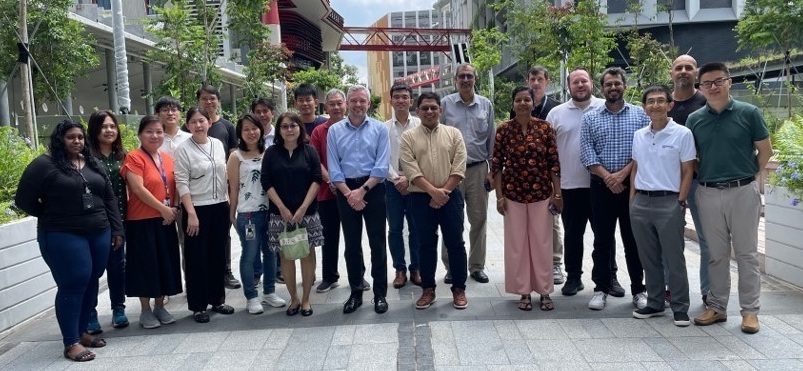
While attending the FORCE2026 conference, I had the opportunity to deliver an open research workshop at Newcastle University in Singapore (NUiS). It was a really rewarding experience that highlighted both the growing interest in open research across our global community and the enthusiasm of colleagues to explore how they can make their own research practices more open.
The workshop explored the principles of open research, practical approaches to sharing research processes and outputs, the benefits and challenges involved, and the role researchers can play in fostering a more open research culture. I was delighted by the excellent turnout and enthusiastic engagement of those who attended. Throughout the session, colleagues actively contributed by sharing their own experiences and challenges as we explored how they could implement open research in their own practice.
One particularly encouraging outcome emerged after the event. Inspired by the workshop and subsequent discussions, one participant (Kheng-Lim Goh) volunteered to become an Open Research Champion. This was especially pleasing as it reflects the wider goal of our advocacy for open research: not simply raising awareness, but empowering colleagues to champion good practice within their own communities.
I’d like to thank everyone who attended the workshop for the energy and enthusiasm they brought to this event. I’d especially like to thank Duncan Raynor, CEO of NUiS, for helping to organise the event and for making me feel so welcome during my visit to both the campus and Singapore.
This experience reinforced the value of engaging with colleagues across our international campuses, and I look forward to continuing these conversations in the future—although probably online rather than in person, sadly.
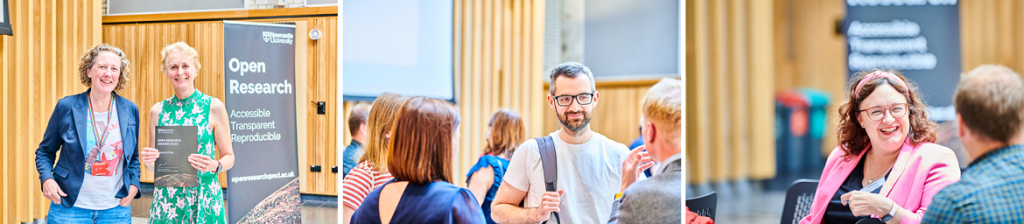
On Tuesday 16th June 2026 Newcastle University held its second open research conference, which built upon the success of the inaugural conference in 2025. In response to feedback from the last conference this year we provided more in-depth workshops and training sessions. The conference aimed to deliver an introduction to open research skills and practical tools, as well as demonstrations of best practice. Discussions included open research in the context of generative Artificial intelligence and replication in social science.
The conference was deliberately cross-disciplinary and staff and postgraduate attendees came from engineering, humanities and social sciences, medical sciences and professional services indicating a growing interest in open research practices across university disciplines. We saw both new and familiar faces and welcomed our first external workshop lead. A welcoming address was given by Candy Rowe, Dean of Research Culture and Strategy.
For the second year running, the conference organisers (Newcastle University’s UKRN Local Network Leads) wish to extend their gratitude towards open research champions and colleagues from library research services who delivered workshops and helped with promotion and organisation.
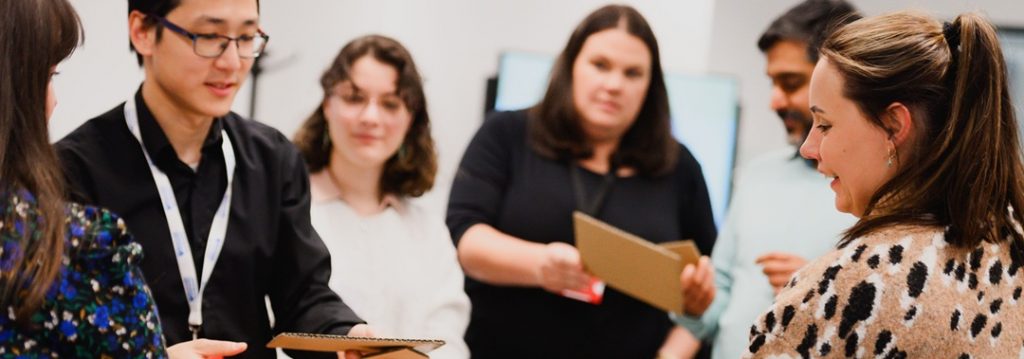
The most popular session of the day was ‘Play Your Way: Games for Open Research,’ where participants took part in interactive activities designed to introduce key open research concepts in a fun and engaging way. The games feature a board game navigating Open Research across an academic’s career, and a Lego activity to explore the principles of data reproducibility, both of which were developed at Newcastle University.
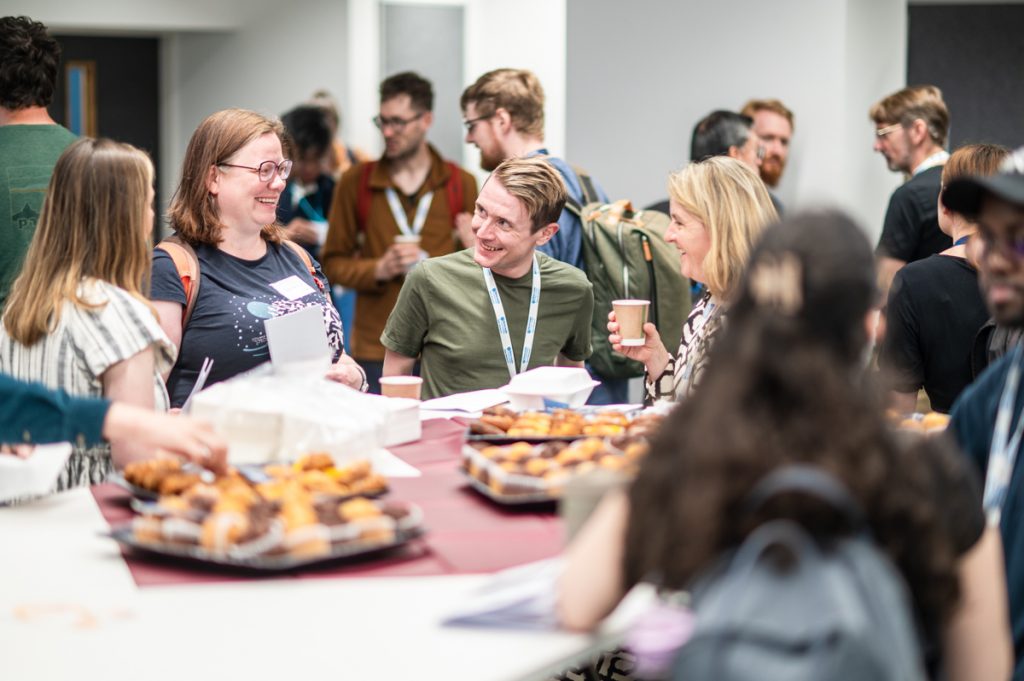
Feedback from attendees has been positive and has also provided valuable suggestions for future events. We hope that attendees were able to make new connections, learn about new tools to help them be more open and discuss any shared challenges. The conference also acted as an opportunity to promote the work of the UK Reproducibility Network (UKRN) at Newcastle University and the monthly ReproducibiliTea journal club.
Details of the sessions and workshops are given below and slides can be accessed here.
Using FAIRSharing.com to strengthen your research data management:Amanda Boll, Head of Library Research Services.
Roundtable discussion on the University’s Open Research provision:Nicola Howe, Methodologist & Steve Boneham, Open Research Training & Development Officer.
To learn more about open research at Newcastle University (including training provision), the UKRN Local Network, or the ReproducibiliTea journal club, visit www.ncl.ac.uk/openresearch.
Posted on behalf of Clement Lee and Nicola Howe (UKRN Local Network Leads)
I recently joined around 200 librarians, developers, funders, publishers, and academics at Singapore Management University for FORCE2026, an international conference focused on the future of scholarly communication. The conference theme of “To Go Far, Go Together: Advancing Scholarly Communication Across Boundaries and Disruptions” emphasised the need for global cooperation in the face of increasing technological – and political – disruption.
The tone was set in an excellent opening keynote by SMU President Lily Kong, in which she challenged us to rethink how scholarly contributions are valued for their wider impact in academia and in society. She warned that the use of publication-based proxies for research quality and impact may be relatively easy, but used in isolation they can have a negative impact on research culture. She argued that institutions should recognise a much broader range of contributions, including methodological innovation and influence on policy, education, industry, and communities. However, she was also clear about the scale of the challenge in recognising that “reforming research assessment has proven far more difficult than simply articulating better principles” and that “No university can reform research culture alone” – i.e. we need work across boundaries.
Disruption from AI was the theme of the day 2 keynote by Ian Mulvany, Chief Technology Officer of BMJ Group. He described AI as a ‘jagged frontier’ in which while it may already exceed human capability in some domains that doesn’t mean it will in all. Scientific discovery is currently still mostly a human endeavour, but we are already seeing radical shifts in behaviour of academics with AI impacting on all aspects of scholarly workflows that we need to adapt to when considering how knowledge is created, communicated and trusted. He used the memorable metaphor of ‘dark factories’ in manufacturing to contemplate a future where autonomous AI generates a research question, designs experiments to test it, and writes up the results, all with minimal human involvement. Asking what this would mean for the traditional roles of researcher, publisher and librarian?
In the closing keynote from Professor Ginny Barbour, Co-Chair of the Declaration on Research Assessment (DORA) discussed the state of publishing and “…how we got into such trouble and how we get out of it?” She reflected on ‘disturbed times’ with shifting attitudes towards openness and academia, and how AI risks breaking established scholarly processes, reinforcing biases, and undermining research integrity. However, she also presented ways in which institutions and individuals might help rebuild a better system by championing openness and integrity, by telling uncomfortable truths despite pressure not to, and by educating our communities against emerging threats. She concluded with a positive message about the necessity of disruption based on a gift card that offered the wisdom “If the seas were always calm, we would never build a better boat.”
Beyond the keynotes there was an excellent range of sessions on topics including FAIR data, open access publishing, open research infrastructure, and of course, AI. Across all these sessions I found it refreshing to hear so many different perspectives from around the world and to recognise that we share many of the same challenges with scholarly communication. So my strongest takeaway from FORCE2026 was that addressing these challenges will, as the conference theme suggested, depend on our ability to work across disciplinary, institutional, and national boundaries.
If you’d like to find out more about the conference you can view recordings of the keynotes and slides from other sessions at: https://ink.library.smu.edu.sg/force2026/
(P.S. While away I also managed to run an open research workshop for our colleagues at Newcastle University in Singapore, but that’s for another post…)
The UK Reproducibility Network (UKRN) has published the findings of its 2025 Open Research Programme (ORP) Survey, providing detailed insights into the prevalence open research practices such as data sharing, preregistration, open code, and open access publications, alongside attitudes and perceived barriers to open research adoption from across UK higher education, including Newcastle University.
This post presents a summary of findings from the aggregated national survey and reflections on our institutional results at Newcastle University.
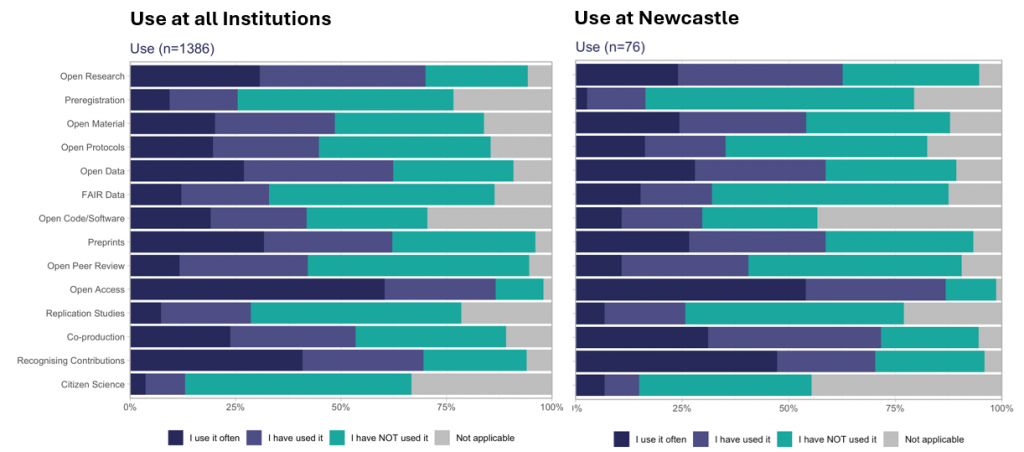
Awareness and Use: Awareness of OR practices is high overall, but uptake varies. Open access is near-universal (99% awareness, 86% use), while preregistration and citizen science awareness/use are lower (55%/25% and 66%/13%, respectively). Awareness of FAIR data is the lowest of any OR practice at 51%. Disparities between awareness and use are greatest for replication studies, citizen science, and open code/software, suggesting persistent barriers.
Disciplinary and Career Differences: Quantitative and mixed-methods researchers report higher engagement than qualitative researchers, and uptake is generally greater in scientific disciplines than in arts and humanities. Senior researchers show higher awareness and use, though junior and mid-career researchers express strong motivation to engage more.
Attitudes: Most respondents view OR as useful (80%), but only 42% feel their institution provides adequate training. Only 18% of respondents engaged with OR in hiring and promotion of staff.
Facilitators: Practical enablers—guidance, infrastructure, time allocation—are prioritised over cultural drivers.
Results from Newcastle
Our survey was conducted between May and July 2025. We invited responses from a random sample of 10% of research colleagues and PGRs, stratified for representation across disciplines and career levels. It was sent to 503 recipients and 77 responses were received (15% response rate). Respondents represented 19 disciplines, with 31.2% primarily using quantitative research methods, 22.1% qualitative and 41.6% both. 36.4% declared their career stage as ‘junior’, 28.6% as ‘mid’ and 32.5% as ‘senior’.
Our results showed similar trends to those in the overall survey. Awareness of OR practices was relatively high overall. It was generally higher among those using quantitative methods compared to those using only qualitative methods, with the exception being co-production. Awareness was also generally higher in health and biological sciences and physical sciences disciplines than in arts and humanities and social sciences.
Use of open research practices largely mirrored awareness. Open access publication is used almost universally. Co-production, recognising contributions, preprints and open data are also widely used. Preregistration, replication studies and citizen science are less commonly used. Sharing of code/software is perhaps lower than expected given its broad potential applicability and relatively high levels of awareness.
Attitudes to open research were broadly positive with most respondents stating they feel it is useful and that they wished to engage more with open practices. However, we still have some work to ensure appropriate training, support and recognition across methodologies and disciplines before open research can become normalised.
We will use these findings to further improve our open research training and support and to target new interventions where they are needed to achieve that.
If you’d like to find out more you can download a PDF of our full institutional report.
Gabriel is an Open Research Champion for School of English Literature, Language and Linguistics. After attending an academic conference in Barcelona we provided some external funds to support a short extension to visit a colleague at Universitat Pompeu Fabra to discuss running an Open Access journal. Here’s what he learned…
In my visit to Barcelona, I integrated a conversation about Open Access and Open Research with Professor Louise McNally, Co-Editor-in-Chief of Semantics & Pragmatics, a leading Open Access journal for semantics and pragmatics research.
“Semantics and Pragmatics is a fully open access journal. All content is freely and immediately accessible to readers under a liberal CC-BY license. The journal is supported by the Linguistic Society of America, the Massachusetts Institute of Technology, and the University of Texas. Authors do not pay publication charges (APCs) nor submission charges. Authors retain full copyright and all rights of reuse.”
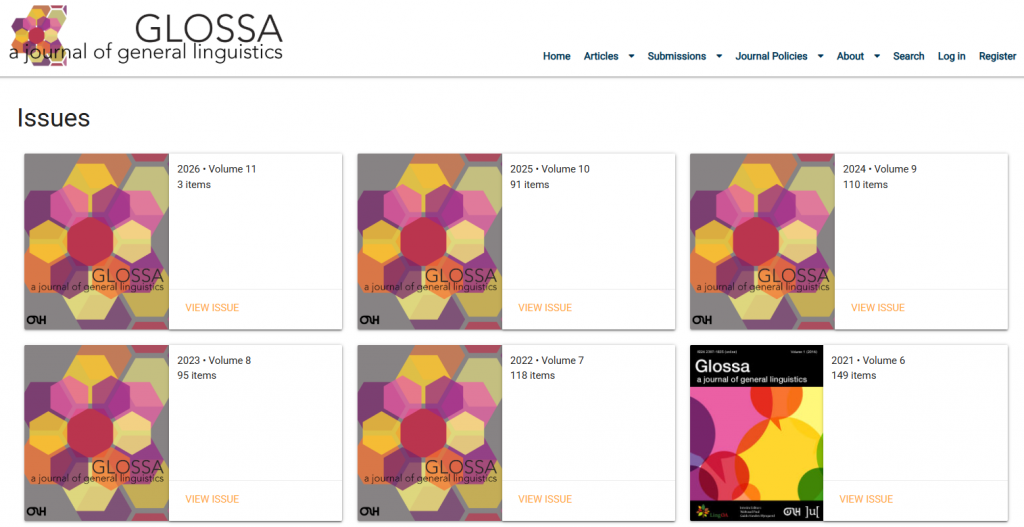
I wanted to hold a meeting with her as a fellow linguist to discuss their approach to open access, since in a couple of months I will become Co-Editor-in-Chief of Glossa: a journal of general linguistics, the leading journal in linguistics and a pioneering Open Access journal in the field. I wanted to benefit from her experience and expertise in this area. As a result of our conversation, I got some pieces of advice as to what areas are key when leading an Open Access journal.
The main component is sustainability in several respects (financial, production, administrative). In Louise’s opinion, it is fundamental to think ahead especially to editorial/management transitions, such as the ones I am currently involved in. In this regard, one has to make sure that there is time to familiarize new editors with how things have been done, so that any major policy decisions that are made can be discussed with them.
Further, it is very important to be proactive in that one should take advantage of whatever venues one has to explain to libraries, funding agencies, among others. Importantly, efforts should be made to get the home institutions of the editorial team to support the journal. In this sense, this is a joint effort to ensure that the journal survives in the medium to long term.
More generally, what this means is that the work that is done needs to be visible. Thus, it is key to further promote and support open access publishing models such as Diamond Open Access and Subscribe to Open.
Overall, these efforts constitute a very specific set of efforts to promote Open Research as related to Open Access journals, which, ultimately, shape the future of linguistics as a field where knowledge and ideas have the opportunity to flow freely—not being tied to paywalls. I will certainly integrate all these pieces of advice in my new role!
We’re delighted to announce that the Newcastle University Open Research Awards for 2025 are now open.
The Open Research Awards recognise colleagues and students who have used open practices to make research more accessible, transparent or reproducible, and demonstrate an understanding of the aims of open research.
The awards are open to all students and colleagues working in any research-related role, at any stage, within any area of the University. We encourage applications from researchers in any discipline, including those where open research is not yet the norm, and who may use qualitative, quantitative or creative practice methodologies.
The winners will be announced at a celebration event and presented with a bespoke award created by the University’s glass blowing workshop, as well as a certificate and letter of commendation to recognise their contribution to building a more open research culture.
On Friday 13th June 2025 Newcastle University held its first ever open research conference, bringing together staff and postgraduate students to share successes and challenges in their open research journeys so far and learn what benefits working openly can bring. Attendees came from SAgE, HaSS, FMS and Professional Services indicating a growing multidisciplinary interest in open research practices. A welcoming address was given by Natasha Mauthner, Associate Dean for Good Research Practice and UKRN institutional lead.
The conference was aimed specifically at early career researchers (ECRs) and PGR students who were either practising open research or were keen to learn more about how to go about conducting open research, with the opportunity to share best practice and build upon open research techniques through a series of invited talks and hands-on workshops. Workshops were delivered by open research champions and the library open research team. Topics covered on the day included open, FAIR and sensitive data, trust in research methods and results, transparency and reproducibility, and research tools and software for openness. The day concluded with a hands-on exploration of open research through games and a productive and thought-provoking ‘open forum’ discussion of what open research means for non-quantitative disciplines including challenges, opportunities to expand how openness and transparency is considered over all disciplines within the university, and open research training needs.
Feedback on the day was positive, there was a buzz of discussion and attendees were able to make new connections, learn about new tools and discuss any shared challenges in making their research more open. The conference also acted as an opportunity to promote the work of the UK Reproducibility Network (UKRN) at Newcastle University and the monthly ReproducibiliTea journal club.
Details of the talks from invited speakers and workshops with resources can be found on the conference programme page and below, with links to the slides.
Short Talks
Open-Source Software Tools for Research – Ben Wooding, School of Computing, SAgE (download slides)
Demystifying Clinical Audit vs Research – Edmund Ong, Newcastle University Medicine Malaysia, FMS (download slides)
Applying FAIR Principles to Research Software – Frances Turner, Carol Booth, Research Software Engineering Team (download slides)
Open Access DNA-Encoded Library Screening : Accelerating Therapeutic Discovery Through Collaboration – Cameron Taylor, Mike Waring, Dan Gugan, School of Natural and Environmental Sciences, SAgE (download slides)
Introduction to Open Hardware Principles – James Grimshaw, BioImaging Unit, FMS (download slides)
Open, FAIR, and Sensitive Data in the context of Electric Vehicle Charging – Shouai Wang, Sanchari Deb, Electrical and Electronic Engineering, SAgE (download slides)
Multi100: Estimating the Analytical Robustness of the Social Sciences + Lessons About Open Research – Harry Clelland, Eotvos Lorand University and Northumbria University (download slides)
Using Social Media Big Data and ChatGPT for Identifying Counter-urbanisation Hot Spots in China: A Case for Open and Ethical Research – Jian Chen, Centre for Rural Economy, SAgE
A Brief History of Research Software Engineering – Mark Turner, Research Software Engineering (download slides)
Generating trustworthy evidence: A painful story – Gavin Stewart, School of Natural and Environmental Sciences, SAgE (download slides)
Workshops
Workshop 1: A Very Short Introduction to Version Control with Git – Janetta Steyn, Research Software Engineering Team (Intro to Git & GitHub)
Workshop 2: Sharing sources and processes: a milestone for trust and research longevity – Bogdan Metes, Library Research Services (access slides)
Workshop 3: Making Your Literature Review Easier and More Transparent: Reference Managers and other Tools – Nayara Albrecht, Federal University for Latin American Integration, previously School of Geography, Politics and Sociology (download slides)
Workshop 4: DOI Generation and other tools for open publishing – Glyn Nelson, Bioimaging Facility, Faculty of Medical Sciences (download slides)
This guest post was written by Nicola Howe and Clement Lee, local network leads for UKRN Newcastle.
In this interactive workshop Natasha Mauthner, Professor of Social Science Philosophy and Method at Newcastle University, will critically examine philosophical issues in open qualitative research.
The open research movement—encompassing its practices, policies, concepts, infrastructure, governance, guidance, protocols, and rationale—is rooted in an implicit positivist understanding of research. In contrast, qualitative research is grounded in a rich diversity of philosophical traditions, including positivism, interpretivism, social constructionism, phenomenology, hermeneutics, symbolic interactionism, postmodernism, poststructuralism, and deconstruction.
This workshop invites participants to explore the tensions between the normative, one-size-fits-all model of open research—often shaped by positivist assumptions—and the ontological and epistemological diversity of qualitative inquiry. How can qualitative researchers from various philosophical traditions meaningfully engage with open research practices? Conversely, how might the open research movement evolve to better reflect and support the complexity and pluralism of qualitative research?
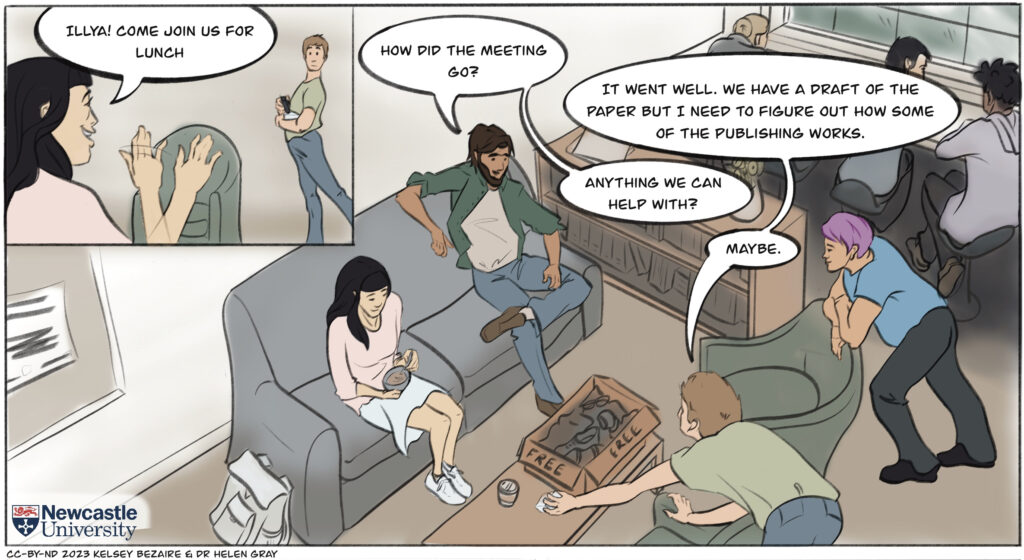
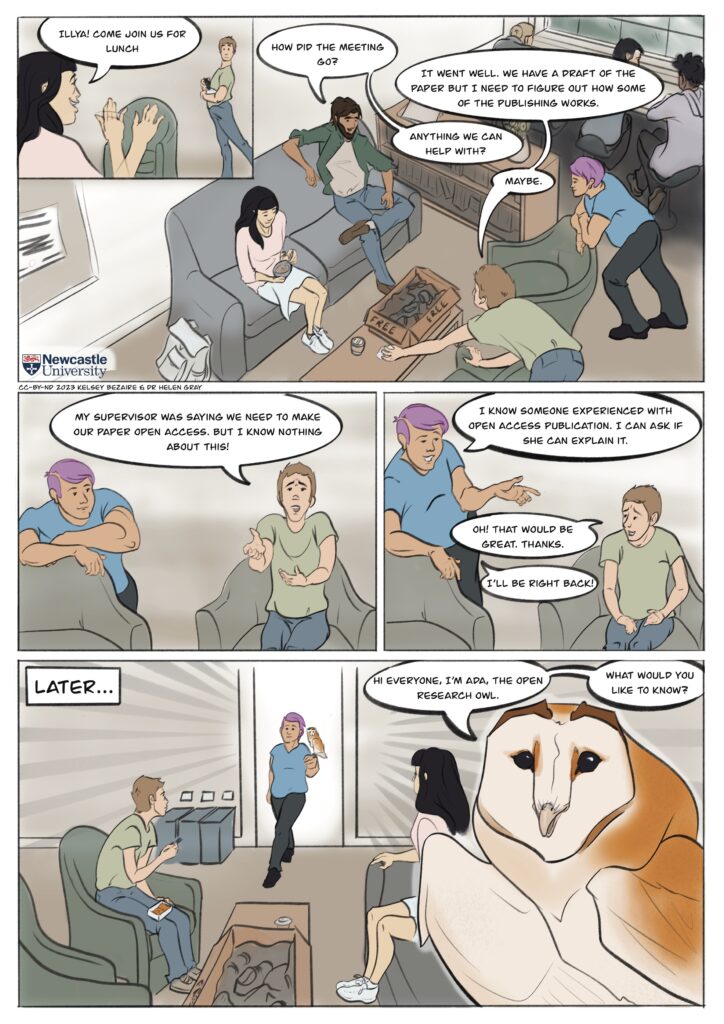
Kelsey has drafted the first page of the comic below and would love some feedback. Specifically, what topics would you like to see covered and how is the readability? Any other feedback is welcome too, so please post your thoughts in the comments or contact Kelsey directly.
In collaboration with Northumbria University we are hosting an online demonstration and discussion of Octopus on November 28th, 1-2pm. Please find event details below and I hope you will be able to join us to learn more about how Octopus aims to support open research.
Octopus is a new publishing platform that is designed to be the primary research record, sitting alongside journal articles which have a more narrative style. Funded by UKRI and built in association with Jisc, it is the place where researchers can record their work in small units, and where the research’s quality can be assessed through peer review and ratings. It is designed to incentivize best practices in research and to make it easy for researchers to establish their priority and get their work ‘out there’ in a way that is fast, fair and free.
Presenter: Dr Alexandra Freeman, Creator of Octopus.